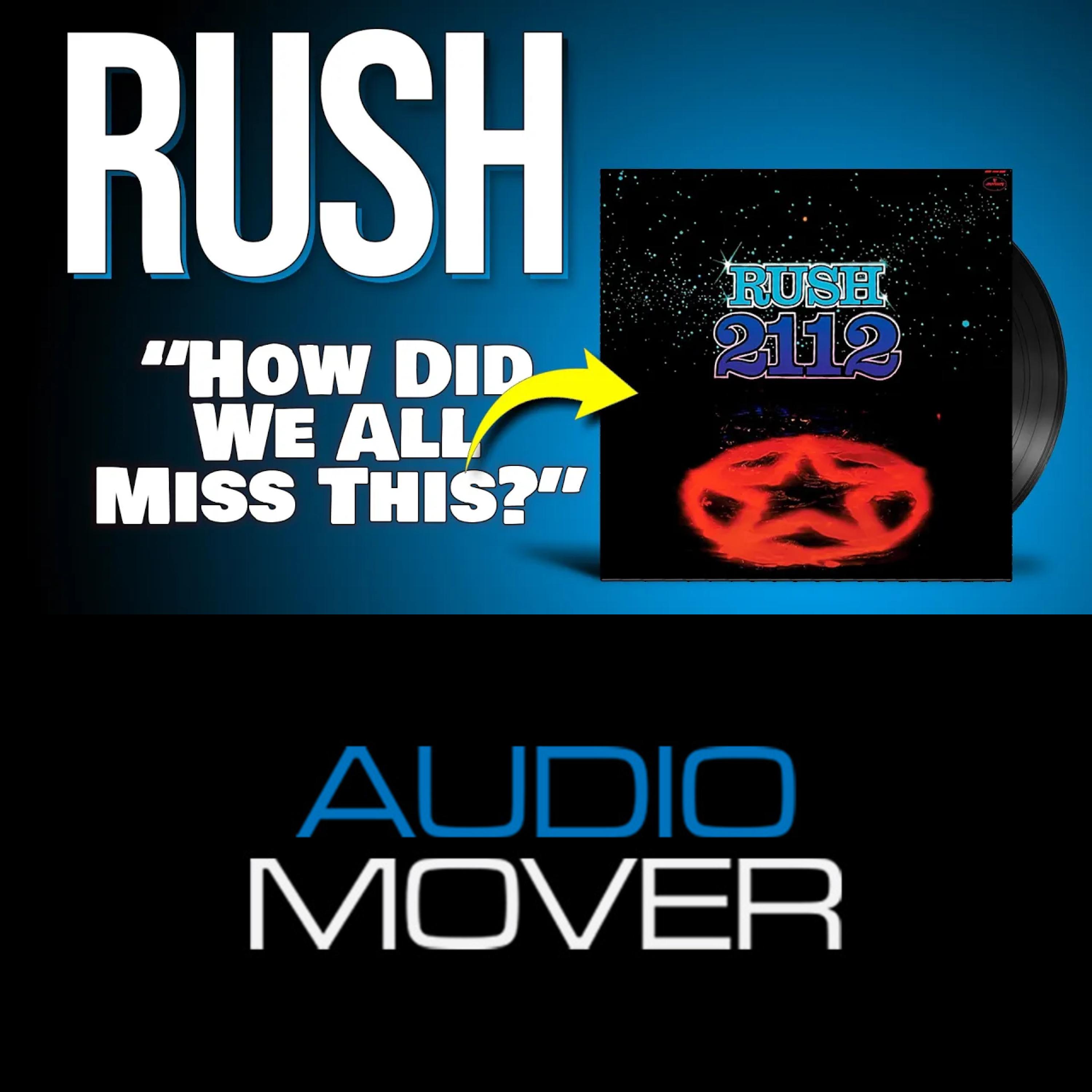
 Episode #340
September 4, 2025
English Teacher Exposes RUSH 2112 - The Deepest Dive!
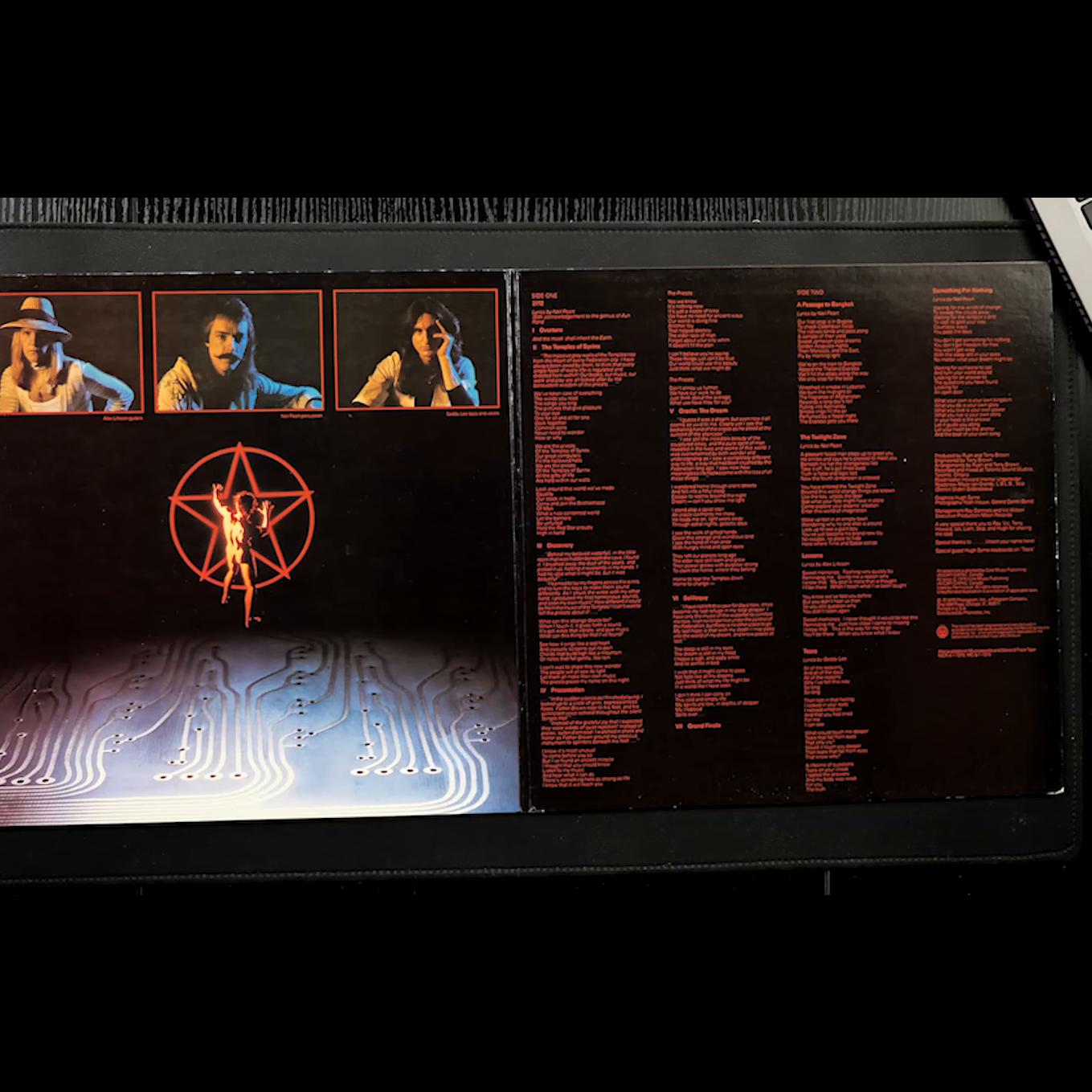
Rush fans, this one’s for you. Robert John Hadfield and Laurice Williamson tear into Side A of 2112 like it’s 1976 again—tracking the album’s literary DNA, the political climate around its release, and the poetic craft inside each movement. From Canada’s October Crisis and Vietnam/Watergate fatigue to Neil Peart’s nods to dystopian lit, we unpack how a young protagonist discovers a guitar behind a waterfall, collides with the Priests of the Temple, and faces a finale that’s deliberately ambiguous. Laurice brings a literary lens to meter, alliteration, sibilance, symbolism, and theme; Robert brings the fan’s ear for riffs, production, and why this record saved the band. If you love lyric analysis, rock history, and the big ideas behind great music, you’ll be right at home.
Chime in below: did the ending mean rescue… or total control? And should we continue this series with Side B?
Chapters / Timestamps
00:00 Cold open — why 2112 still feels poetic and dangerous
01:05 Meet Laurice Williamson and today’s plan: a lyric-by-lyric deep dive
03:55 Let’s dive in: how Side A tells a complete narrative
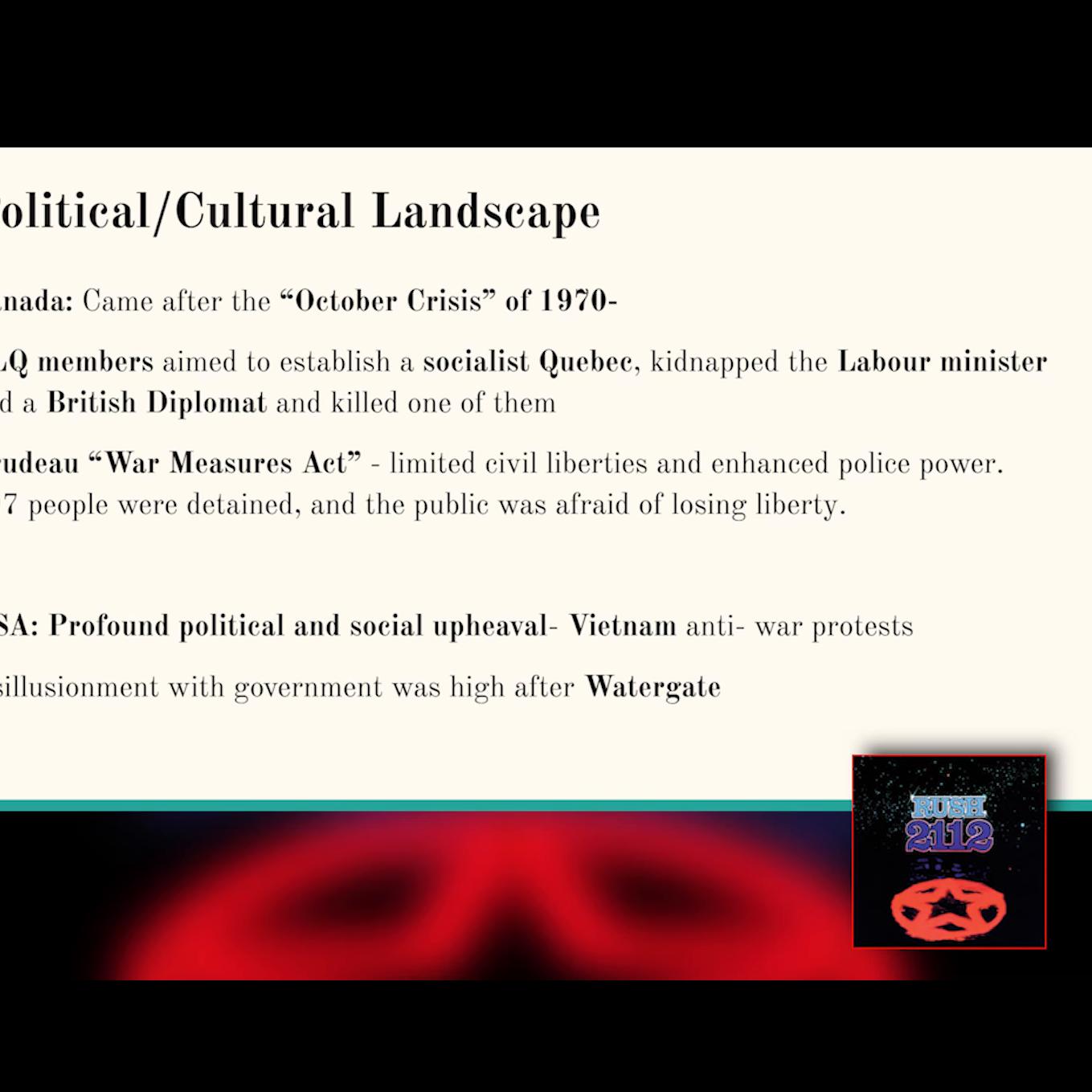
04:14 Context matters: Canada’s October Crisis and civil liberties
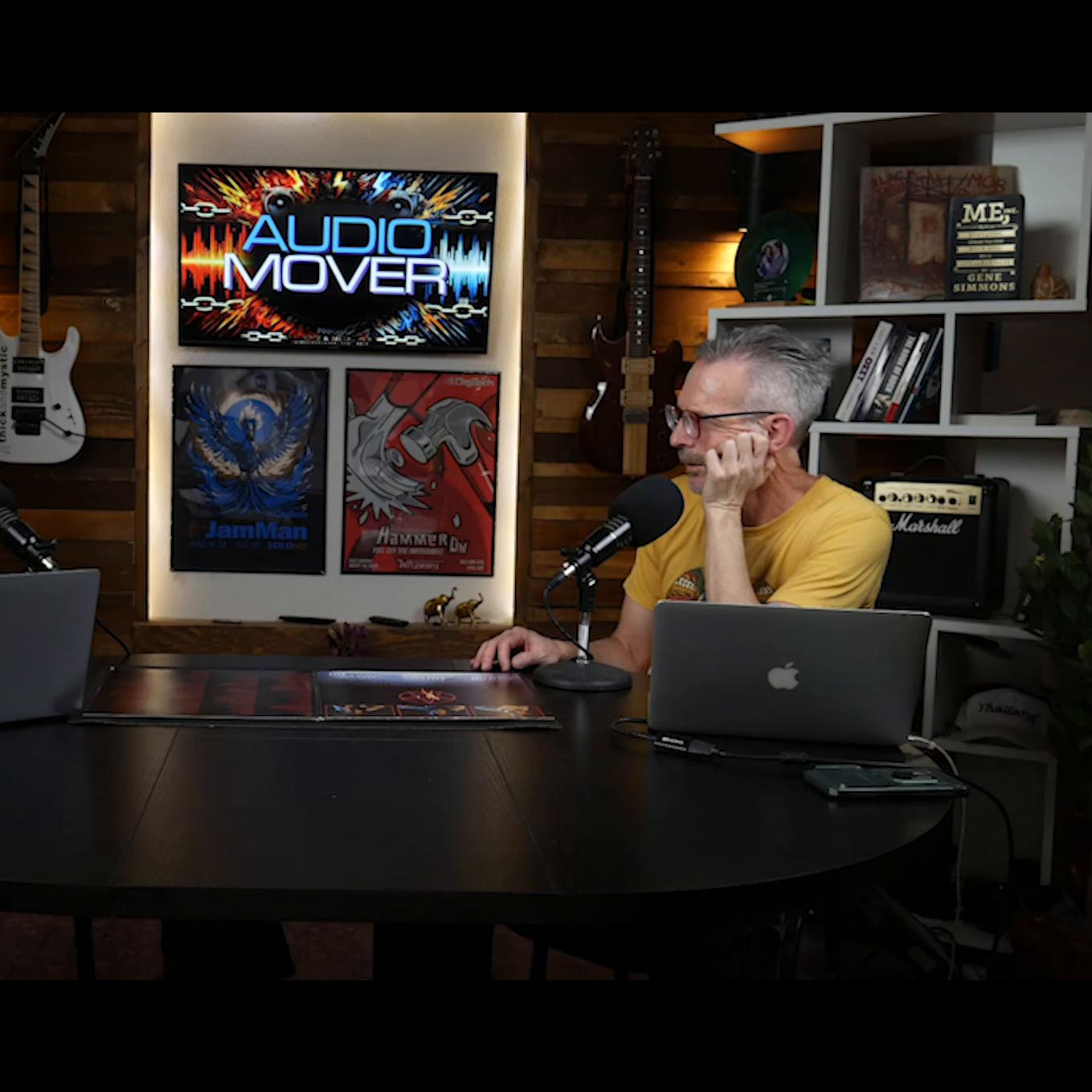
05:27 U.S. backdrop: Vietnam’s shadow and Watergate distrust
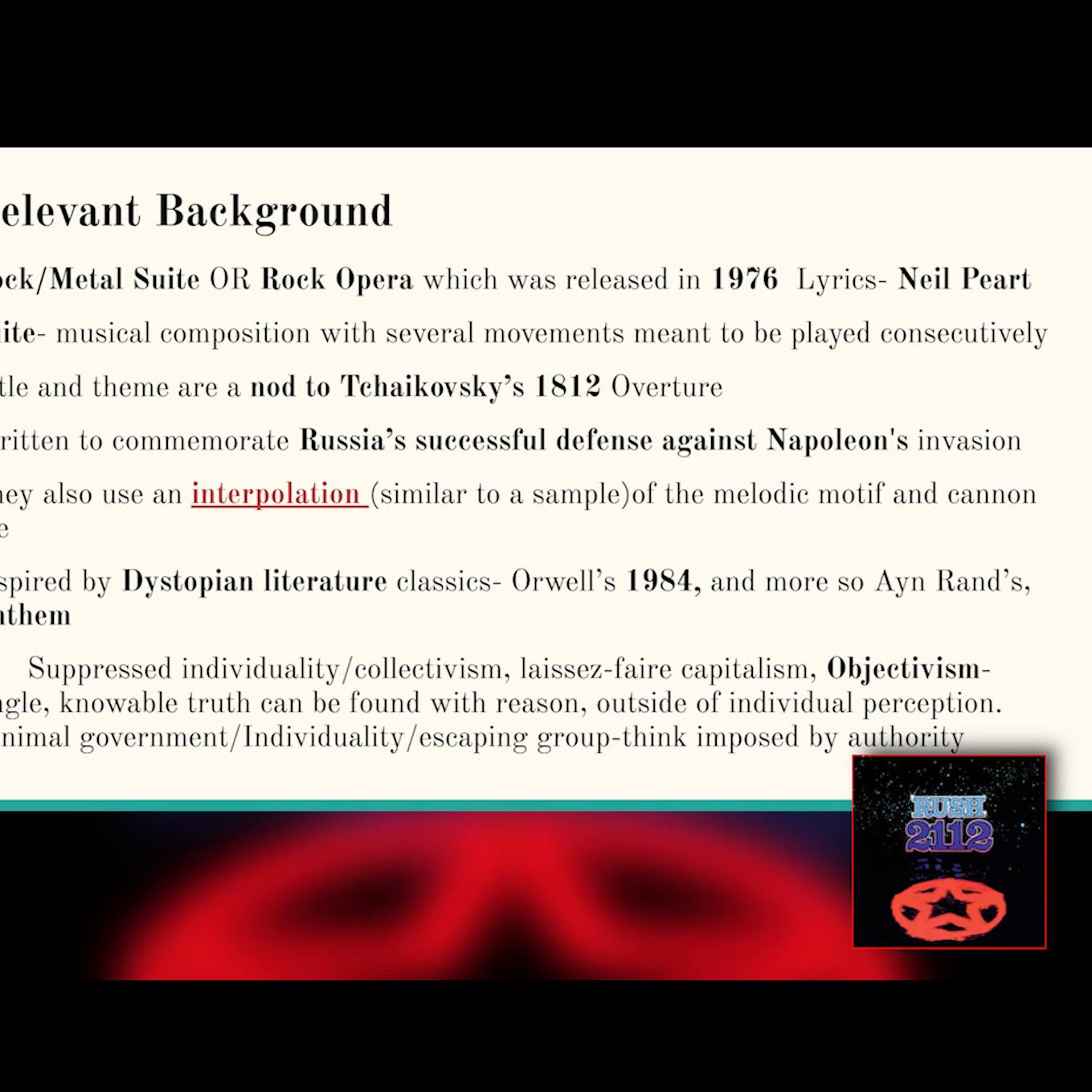
07:04 “Rock metal suite” vs rock opera — how to classify 2112
08:01 1812 Overture nods and musical quotations - https://youtube.com/shorts/FVcQy5YD3Ec?si=wig0bT8Uma68vDTA
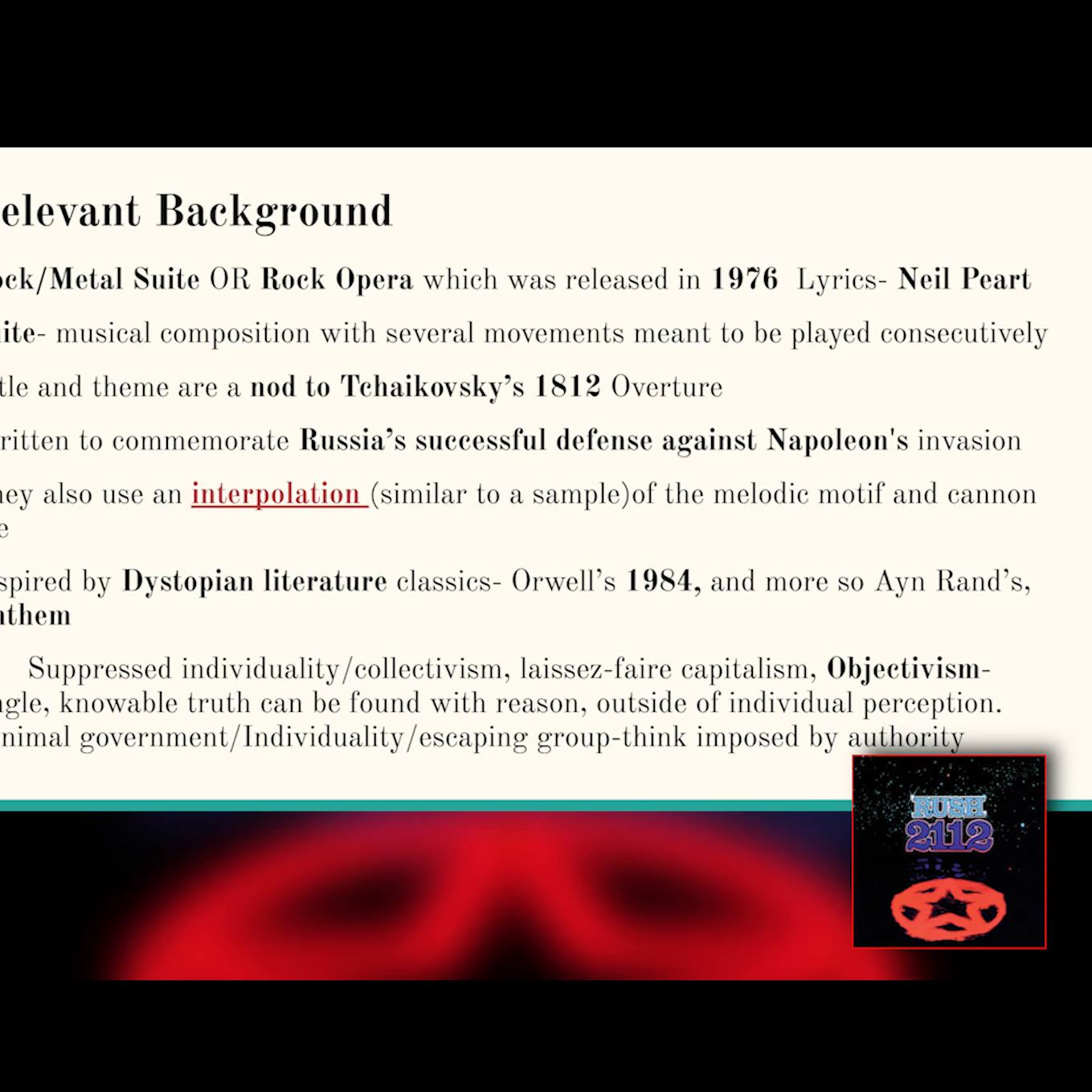
08:52 Dystopian roots: 1984 and Rand’s Anthem, plus Objectivism
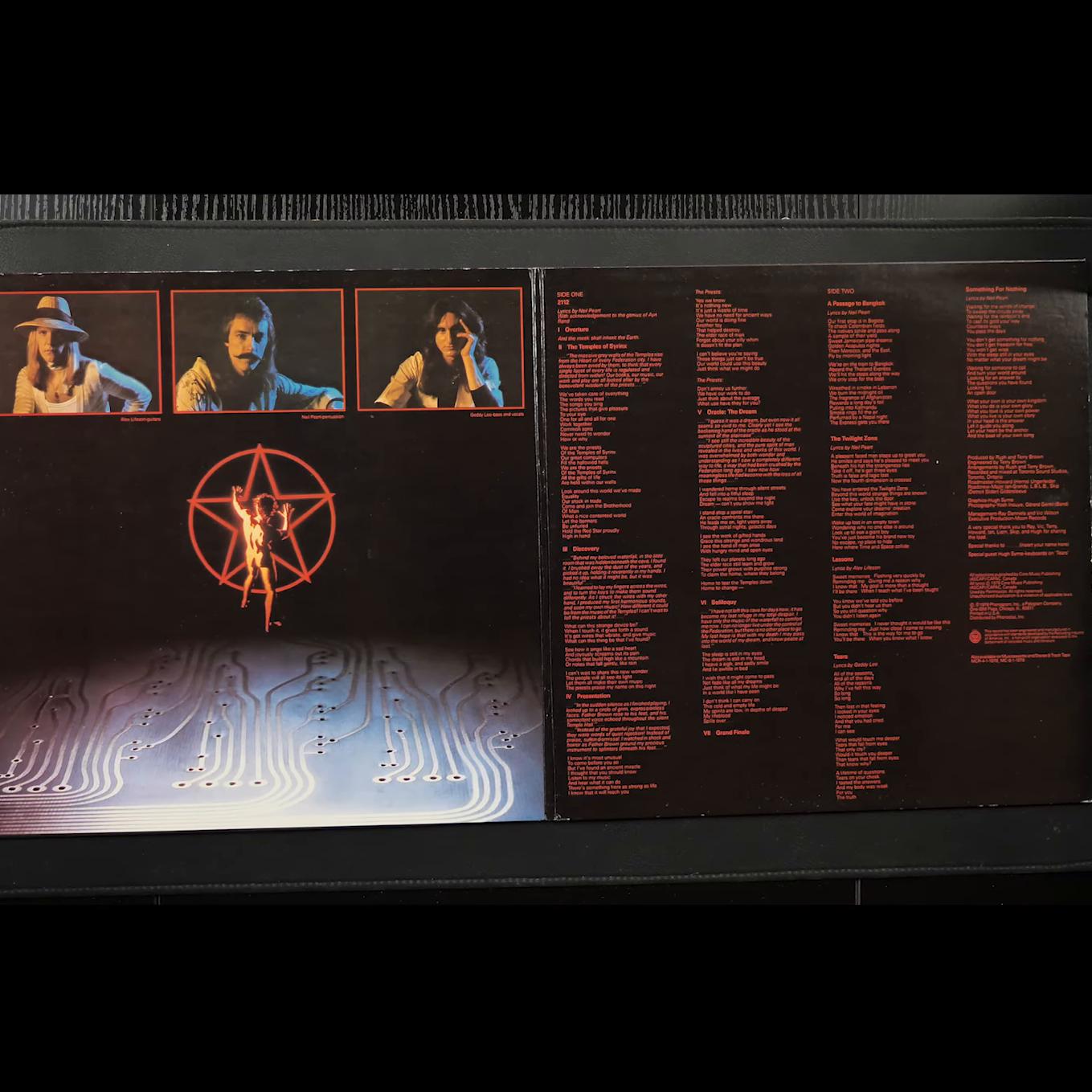
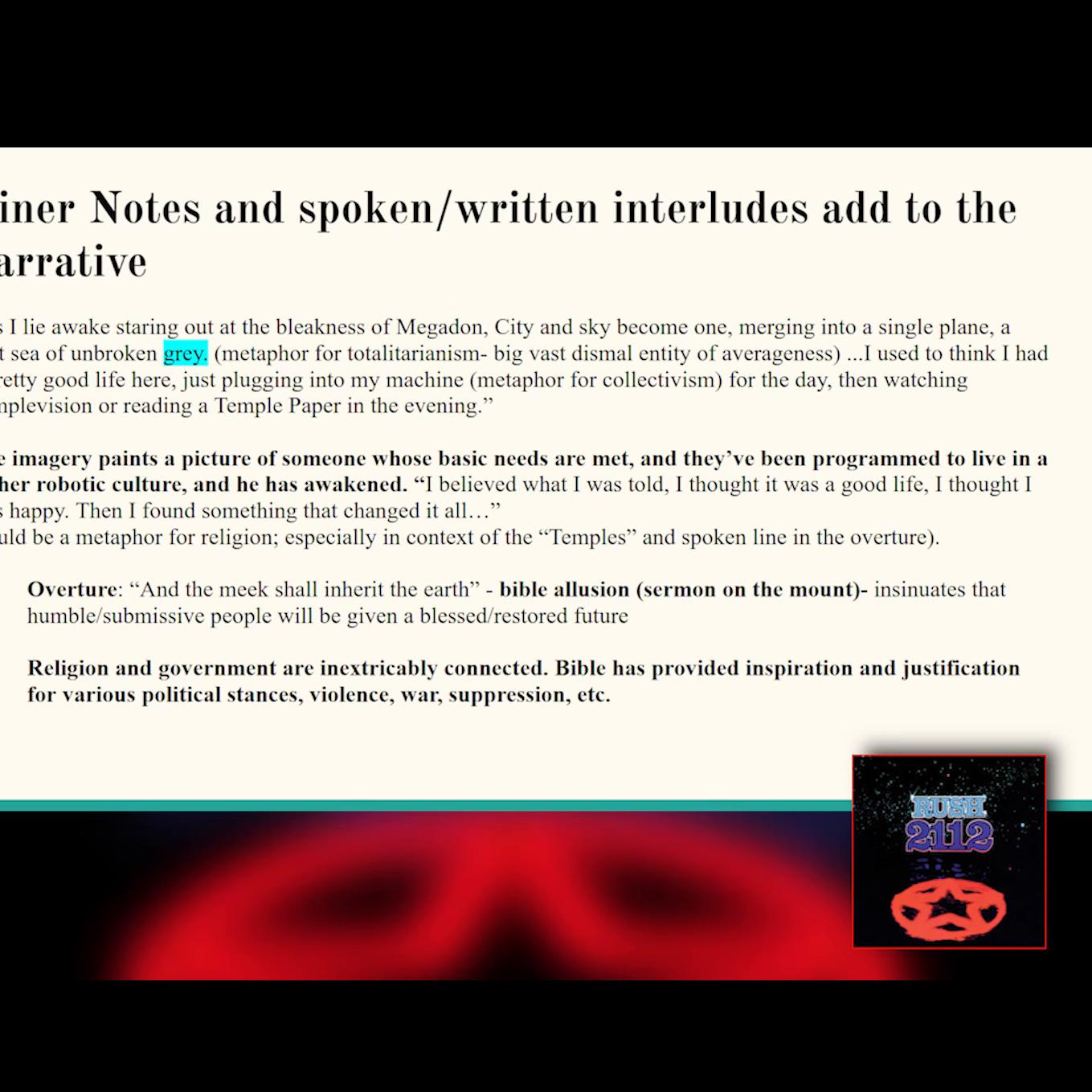
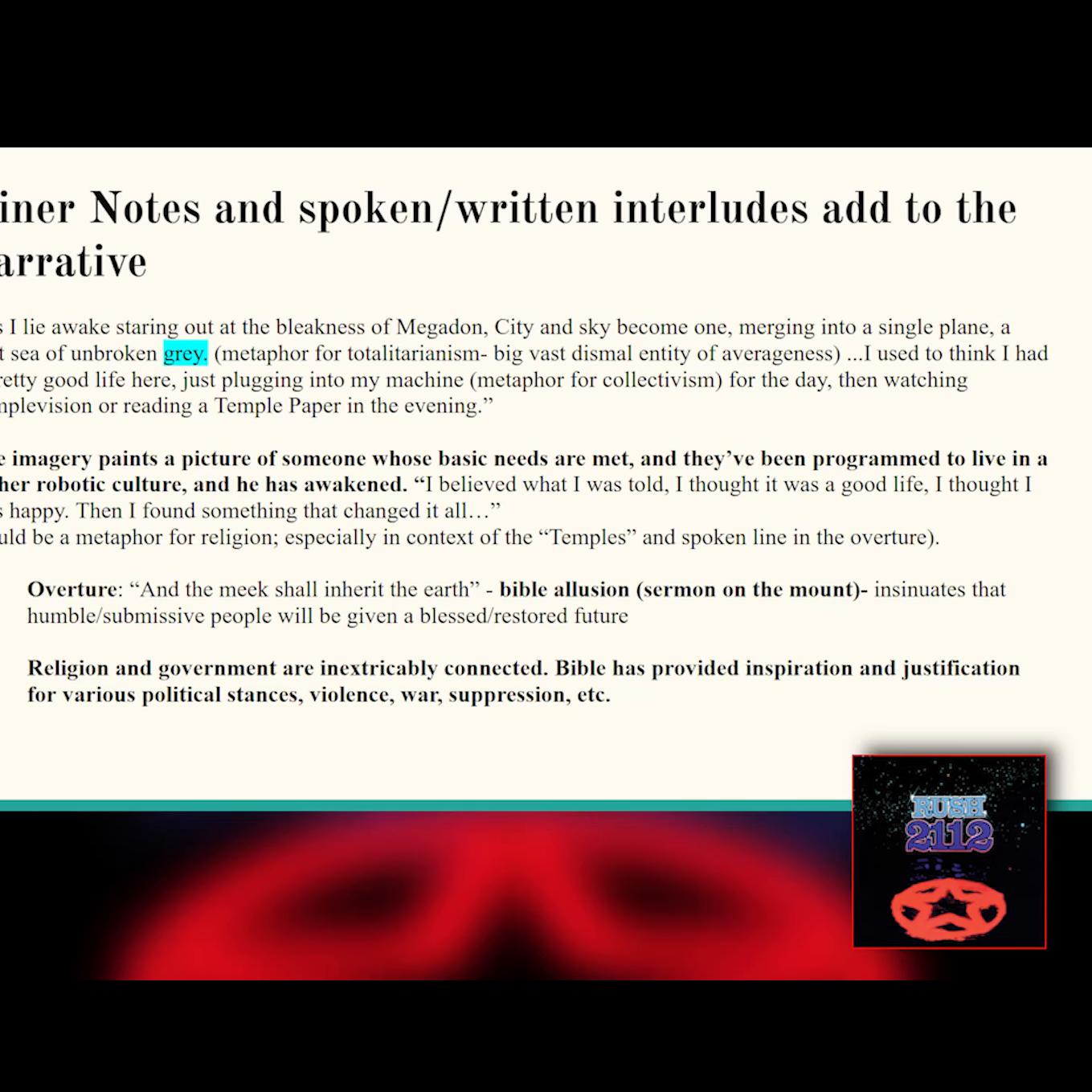
10:07 Into the liner notes — setting a totalitarian mood
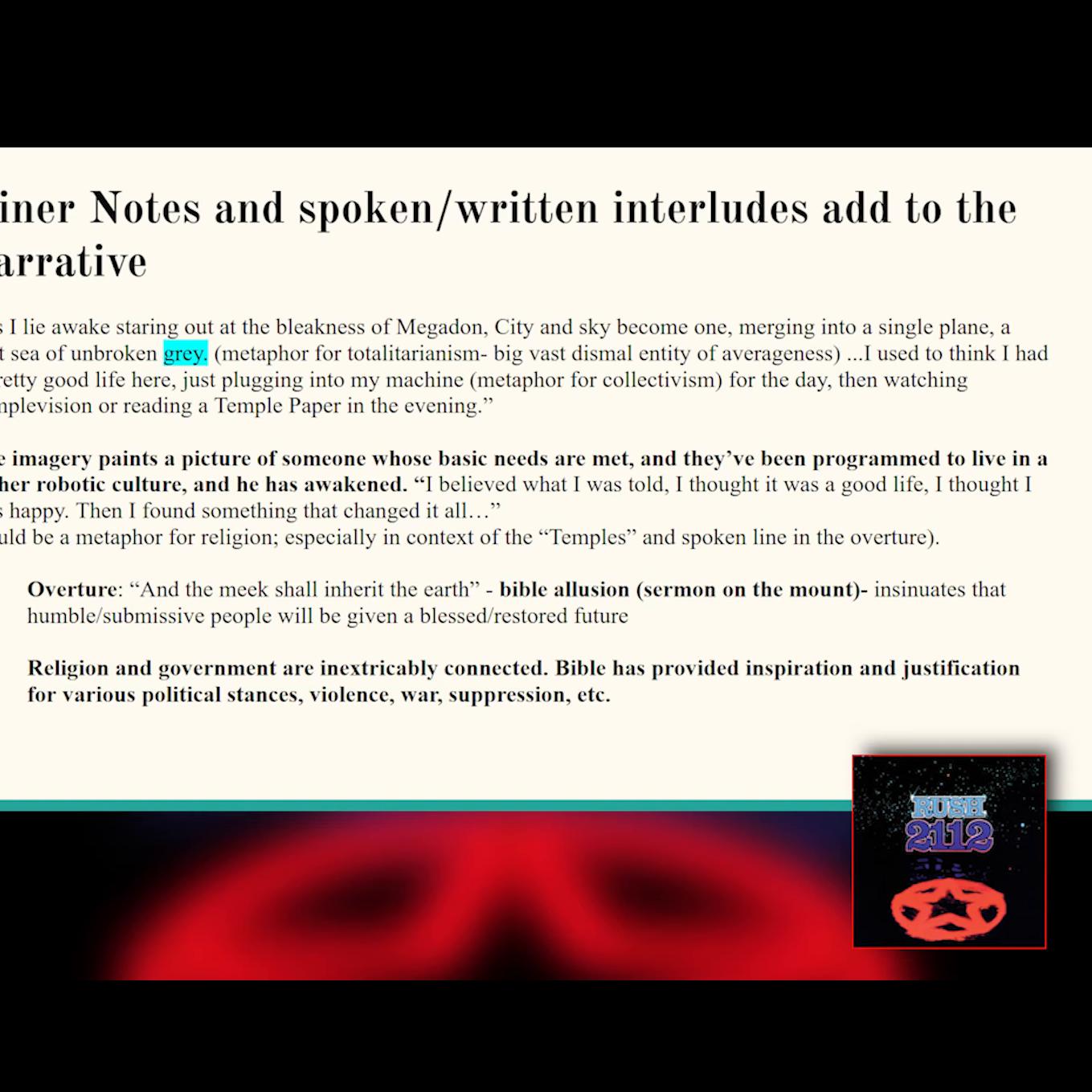
10:25 “A vast sea of unbroken gray” — symbolism decoded
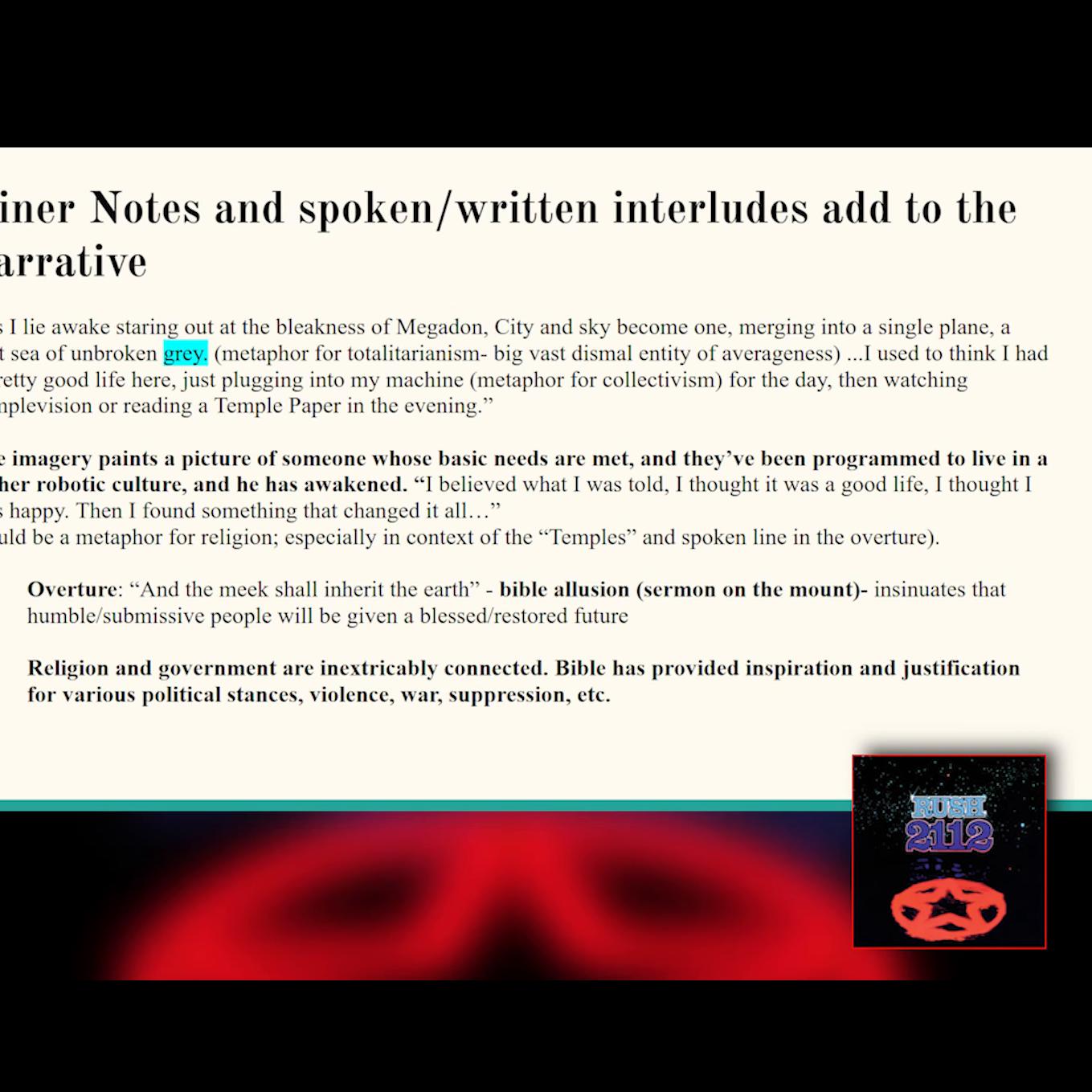
11:09 Plugging into the machine: work, programming, and comfort
12:11 Religion vs government — power, control, and overlap
14:32 The Temple of Syrinx — gray walls, benevolent priests
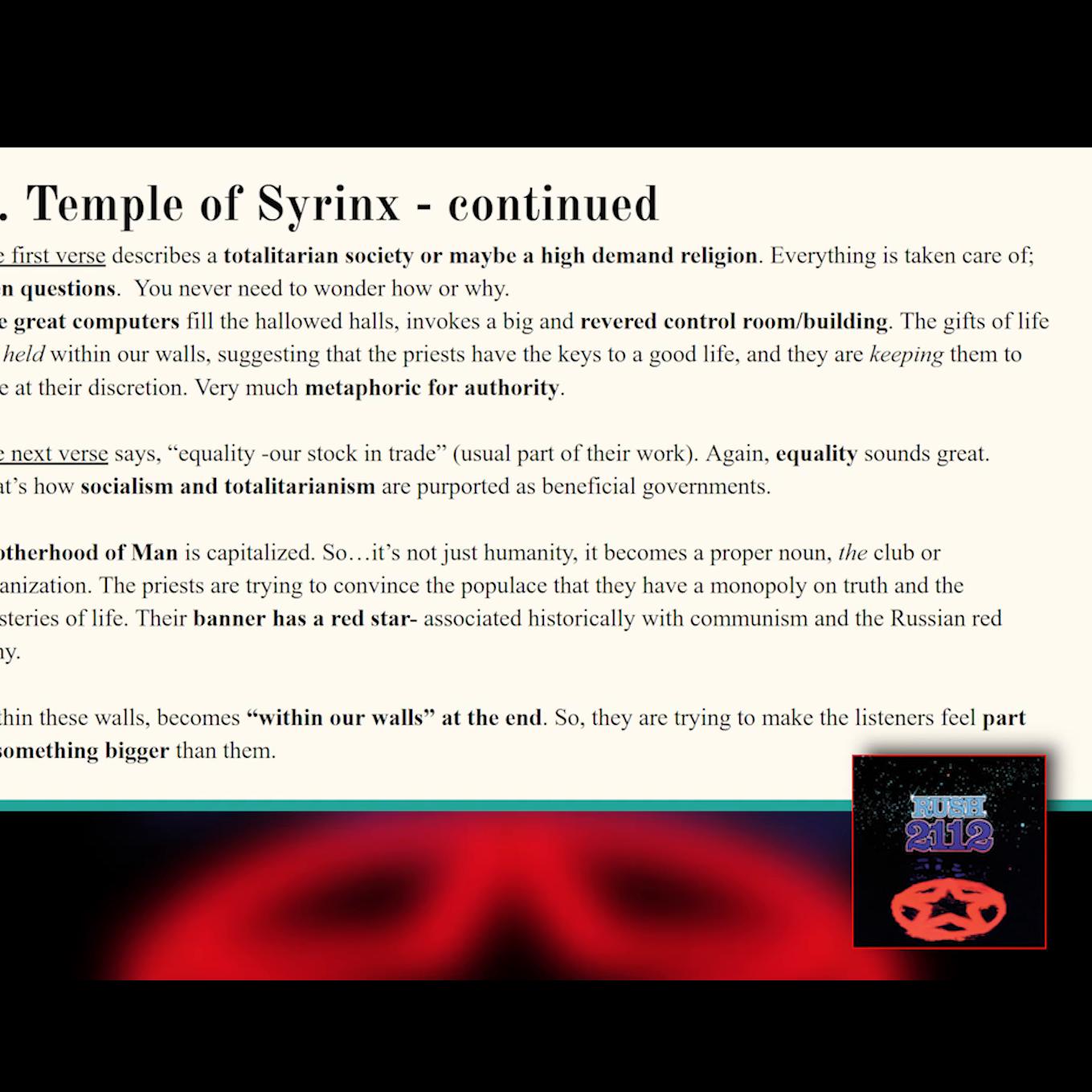
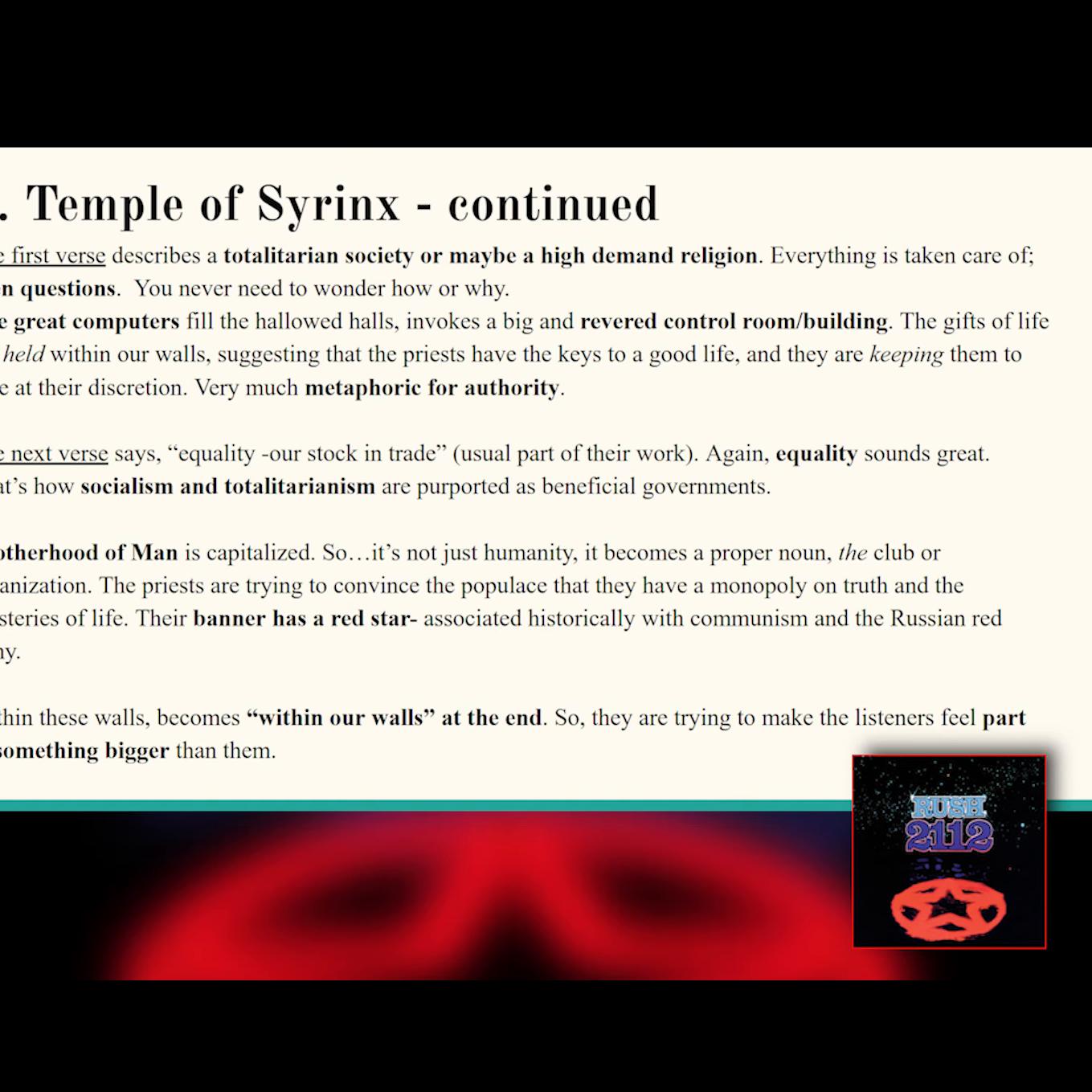
16:32 “We’ve taken care of everything” — anti-questioning as policy
17:39 Great computers, keys to the good life, and rationed gifts
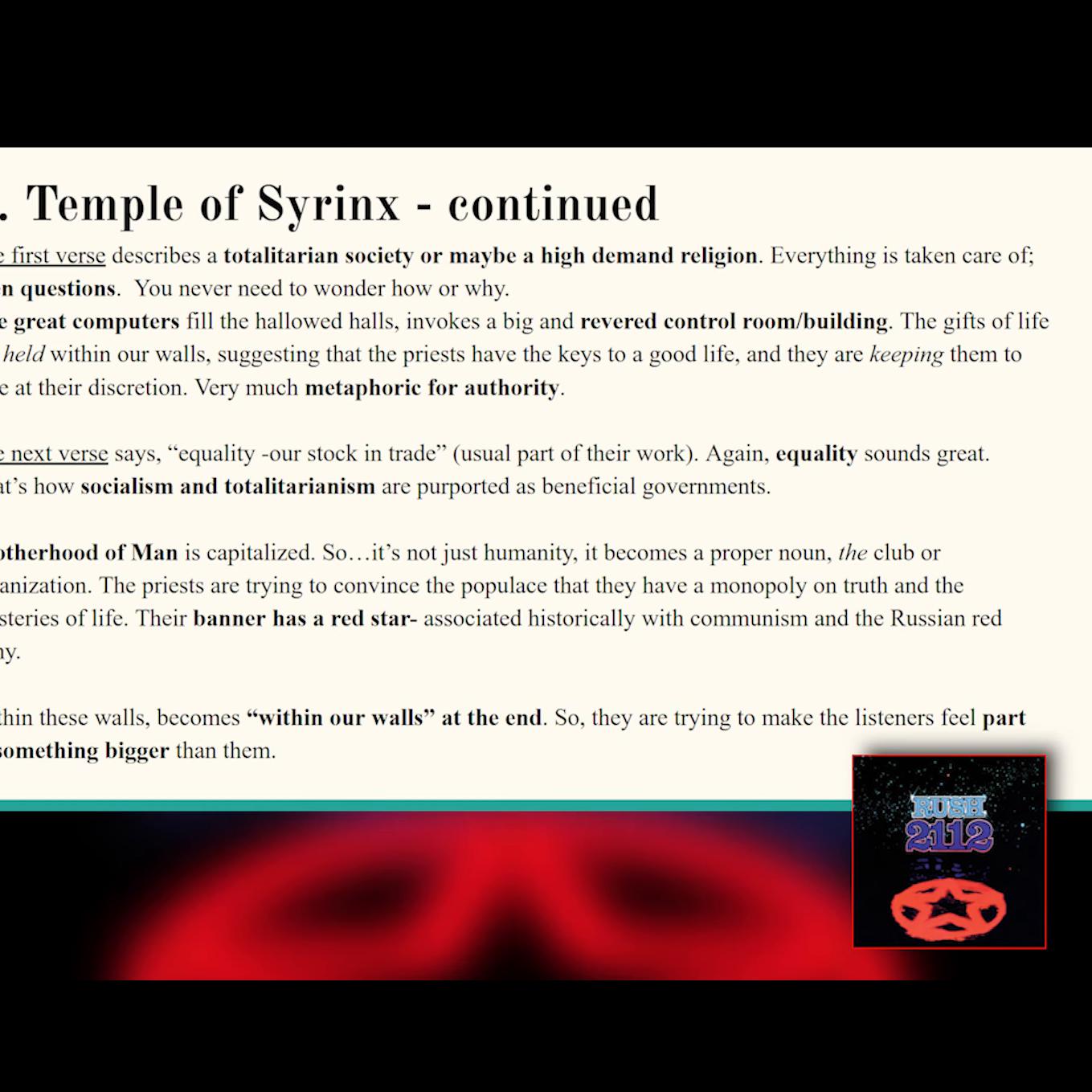
20:22 “Within these/our walls” — how control recruits you
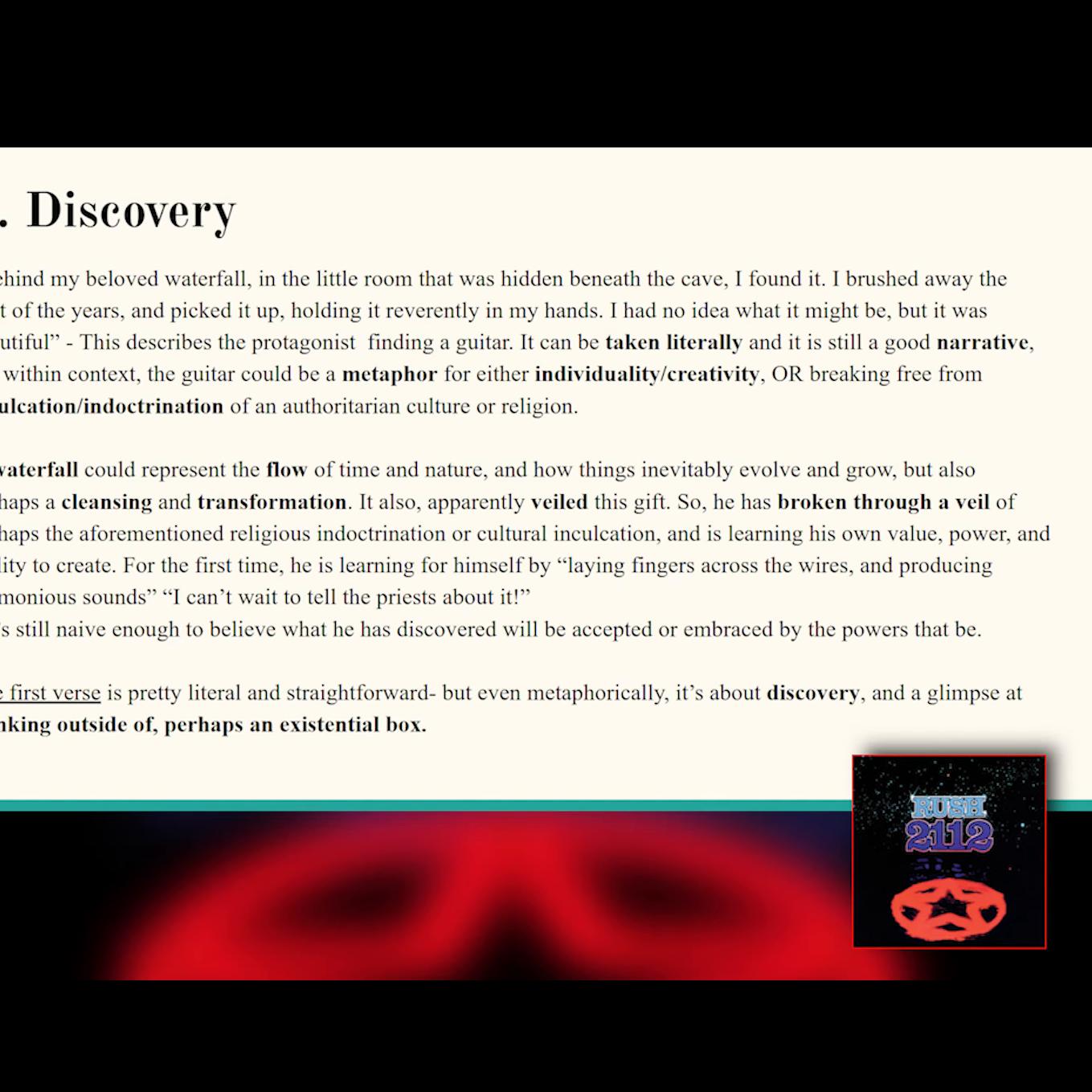
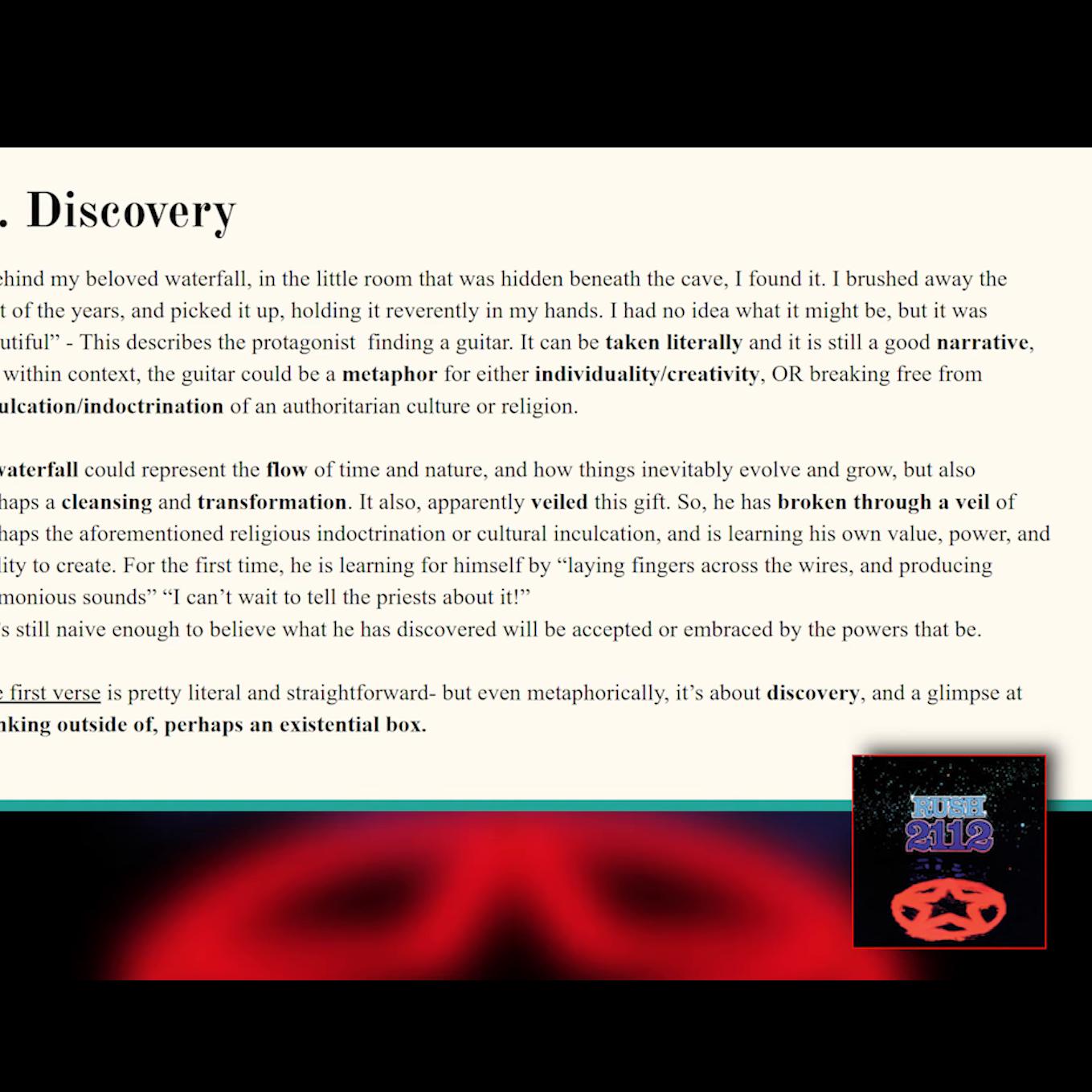
20:49 Discovery — the guitar as individuality and awakening
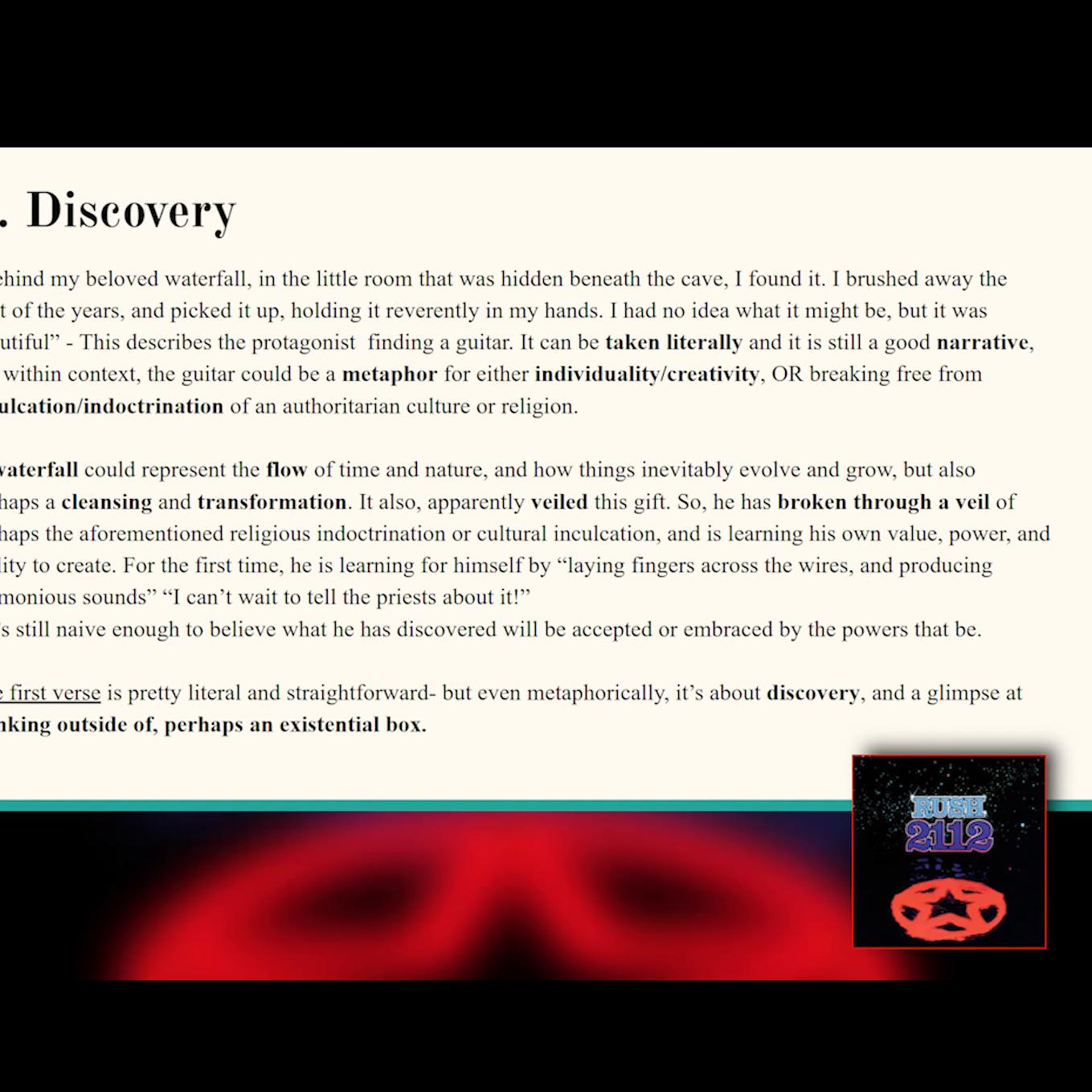
22:19 The waterfall as veil, cleansing, and rebirth
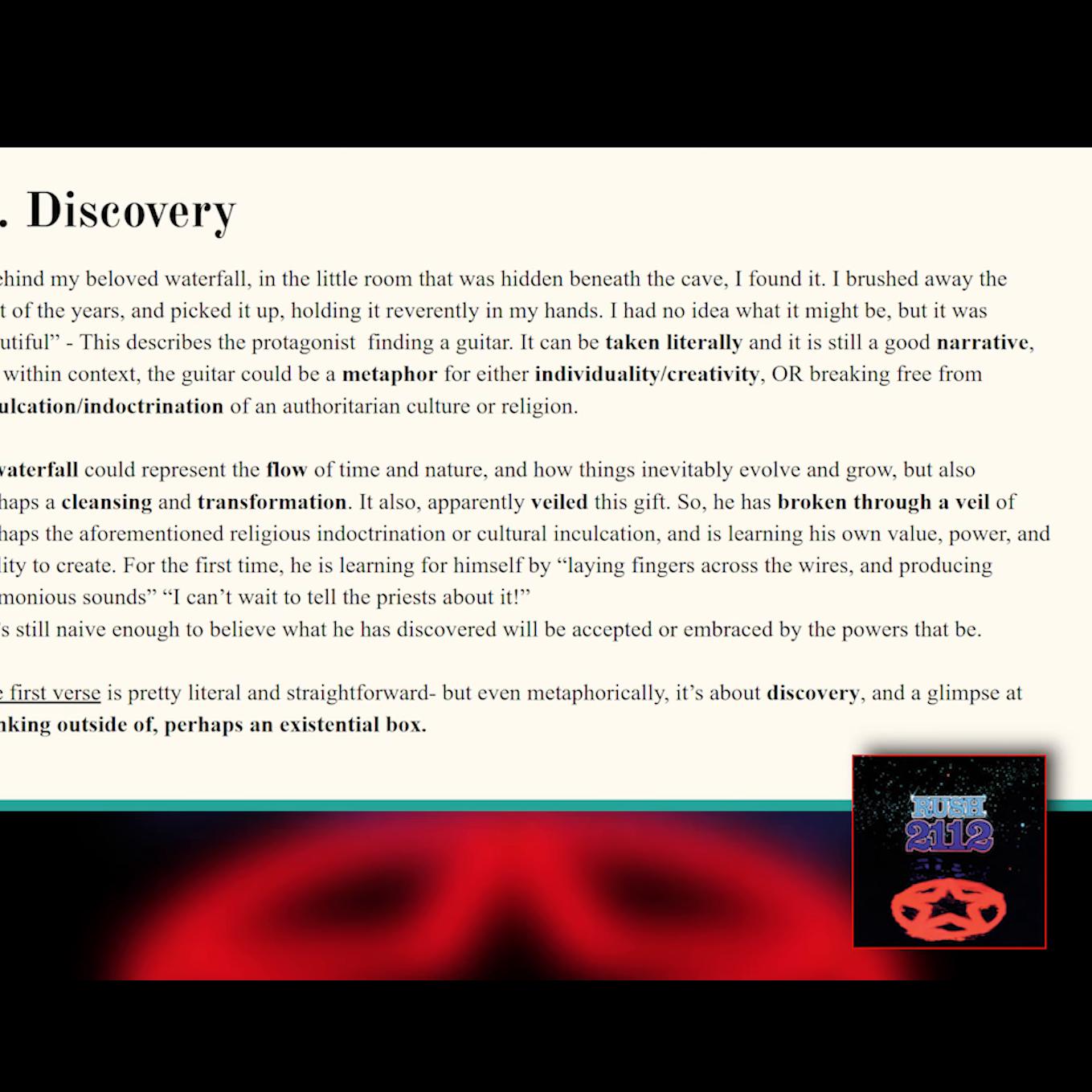
23:21 “Behind it is freedom” — privacy, selfhood, agency
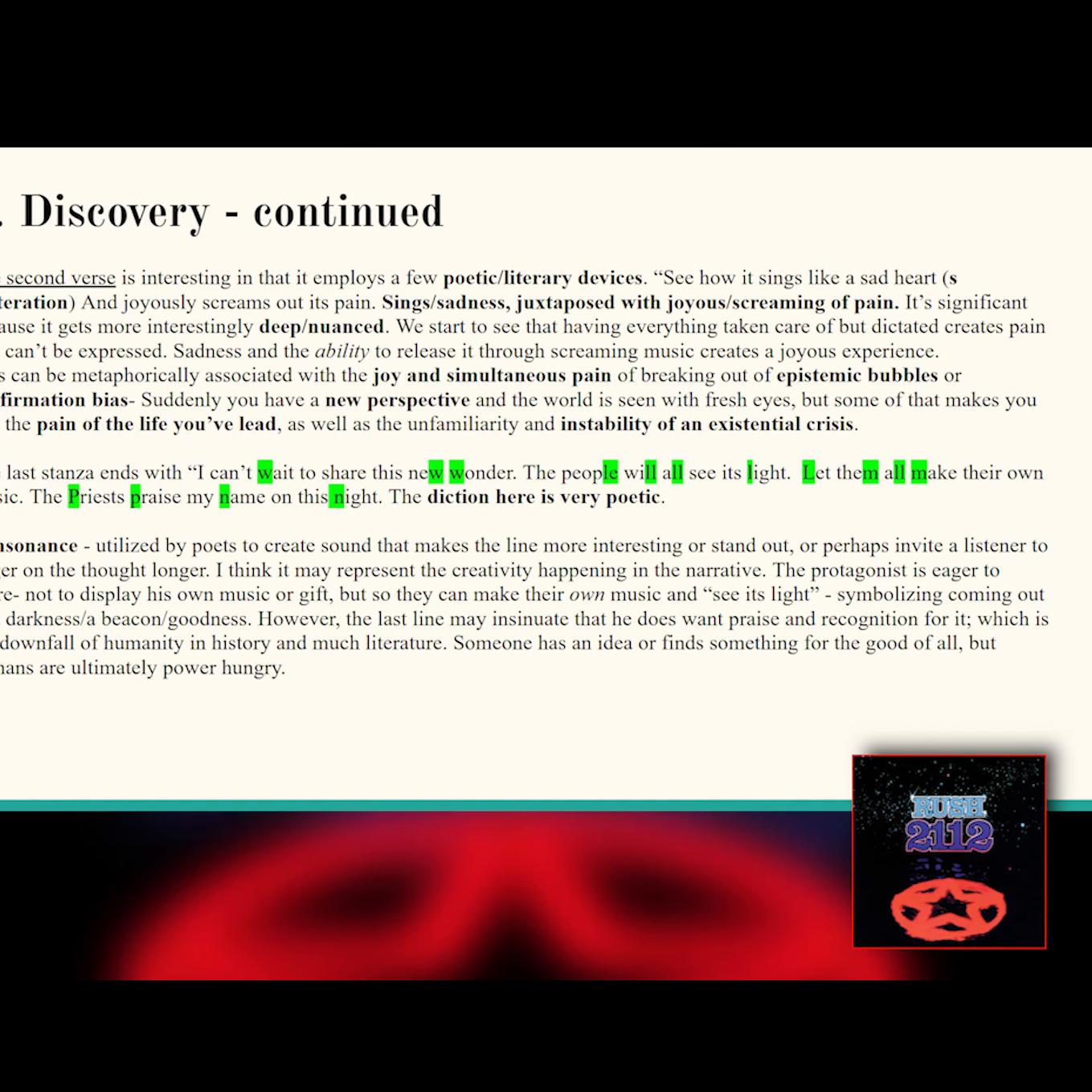
24:09 Poetic devices in Discovery: alliteration and paradox
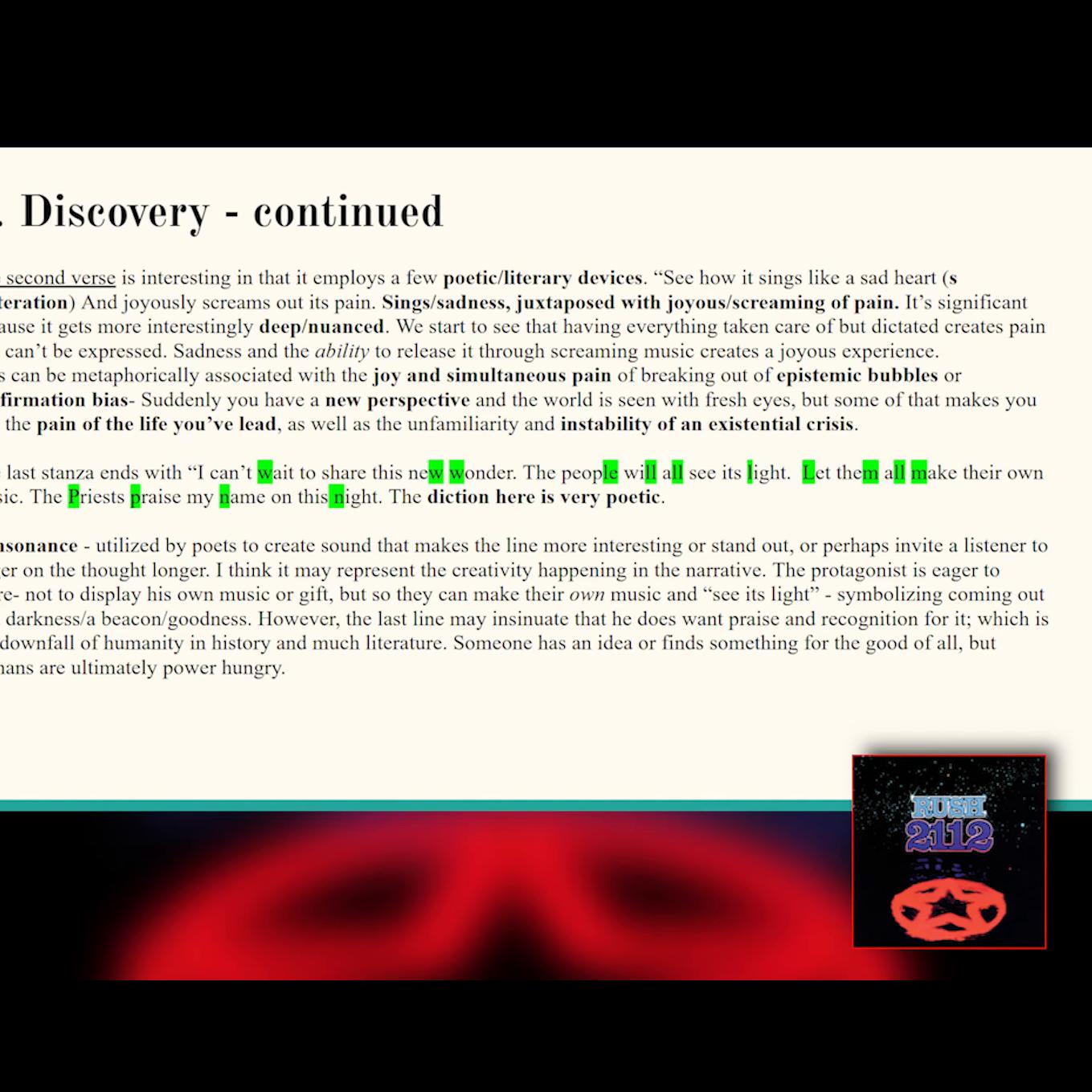
27:58 “The priests praise my name” — hope before the crash
29:11 Human nature, glory, and the pull to stand out
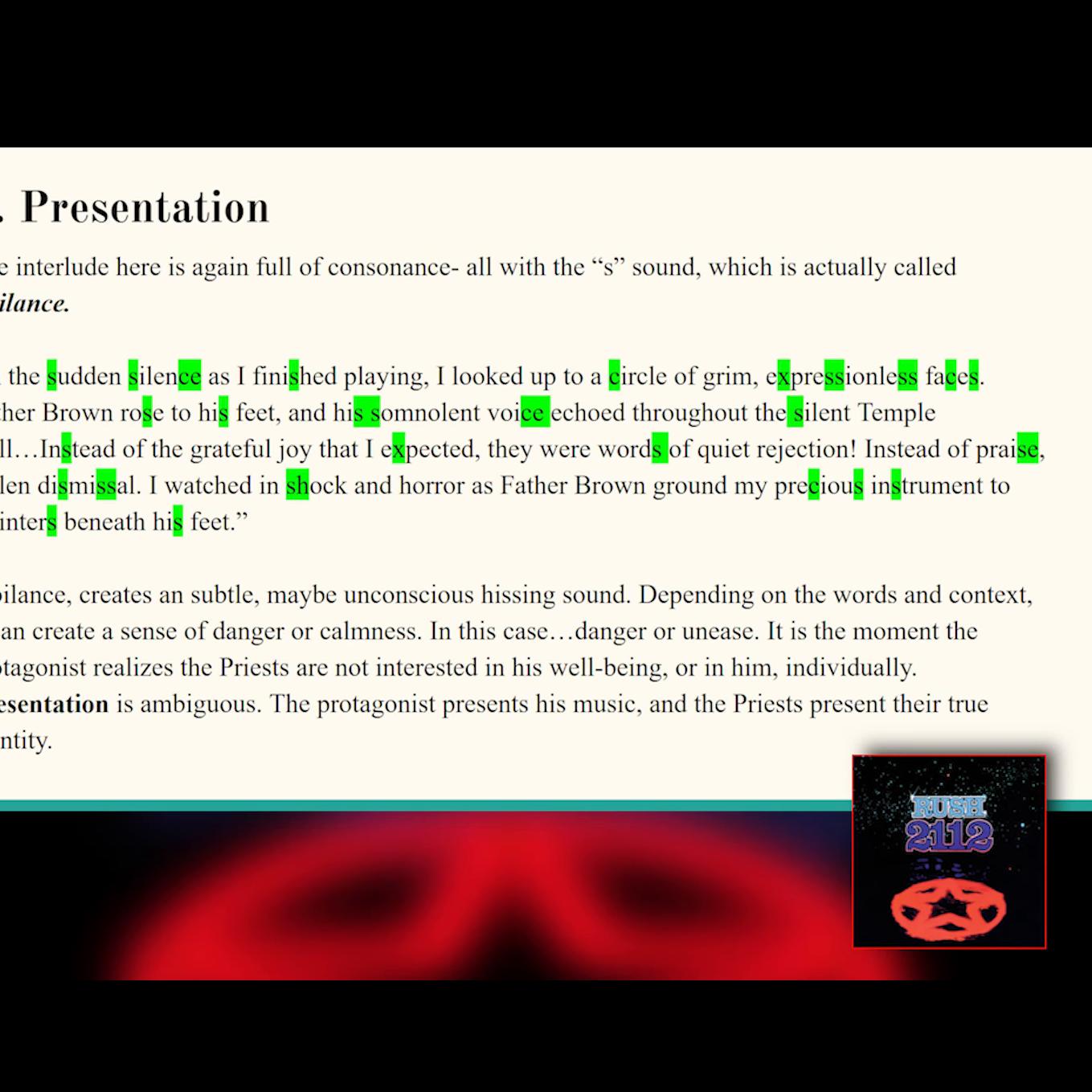
29:50 Presentation — the hiss of rejection and smashed guitar
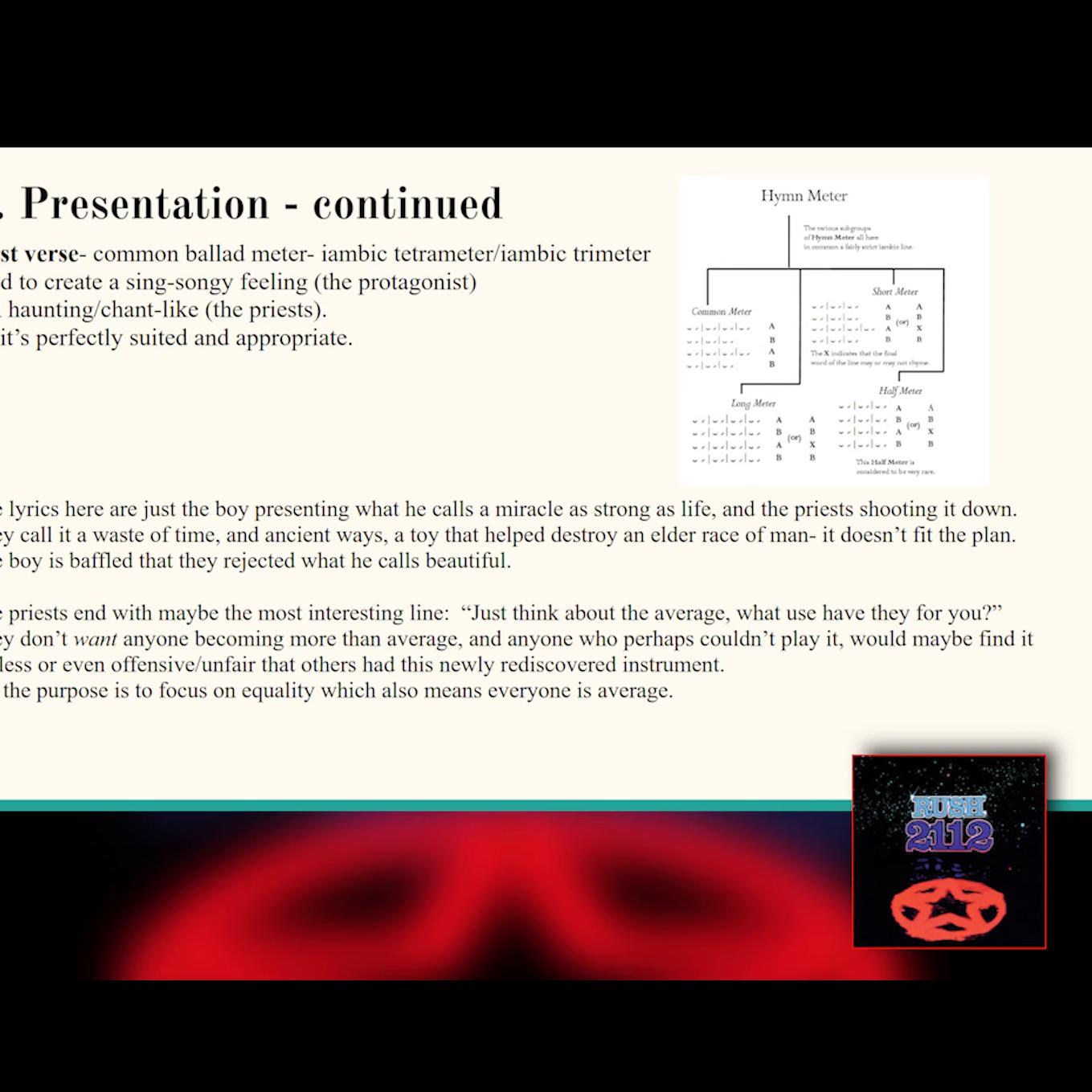
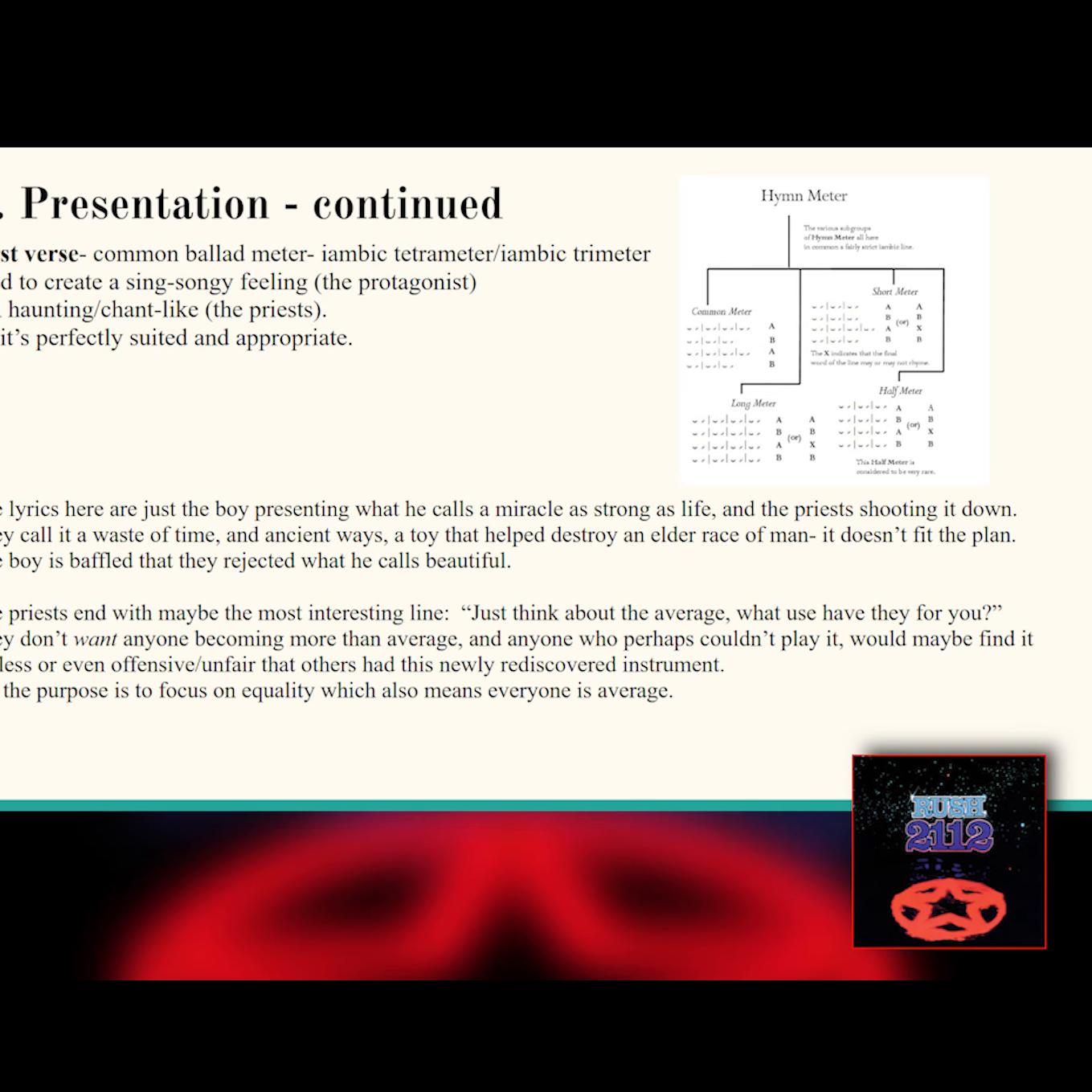
33:18 Miracle vs “a waste of time” — average over excellence
33:49 “Think of the average” — why ambition is dangerous
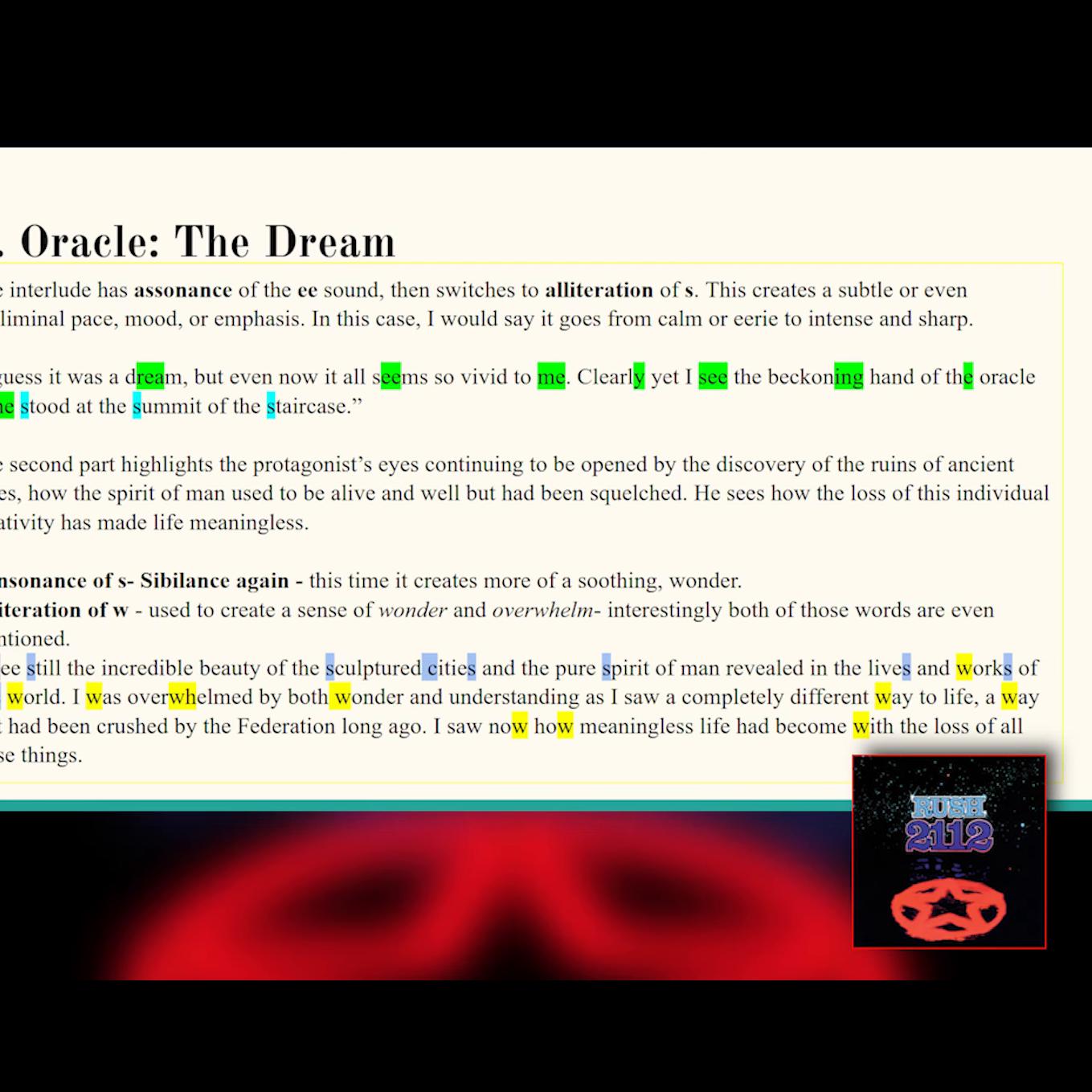
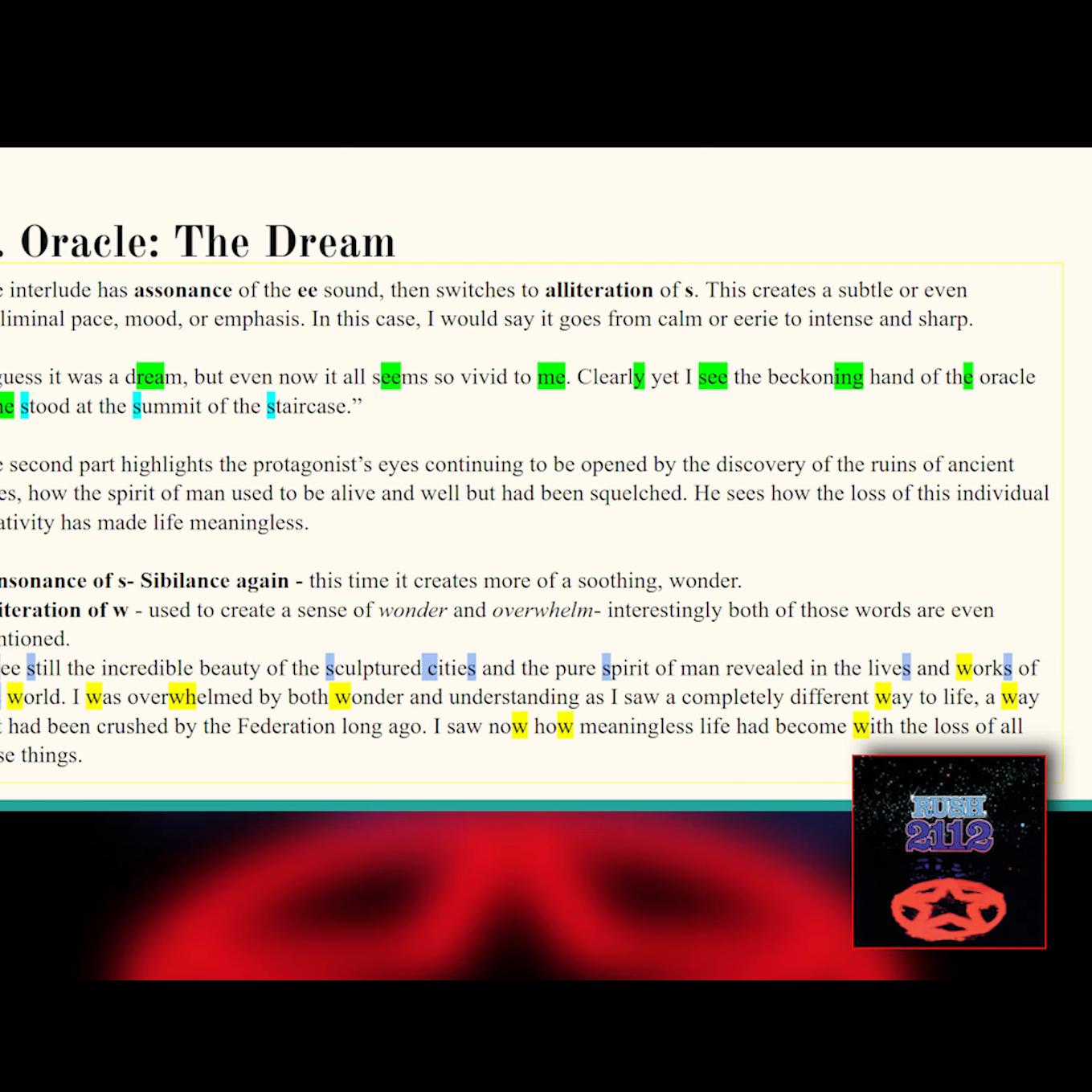
34:14 Oracle: The Dream — ruins, wonder, and lost spirit
35:31 Seeing what was lost: creativity and meaning
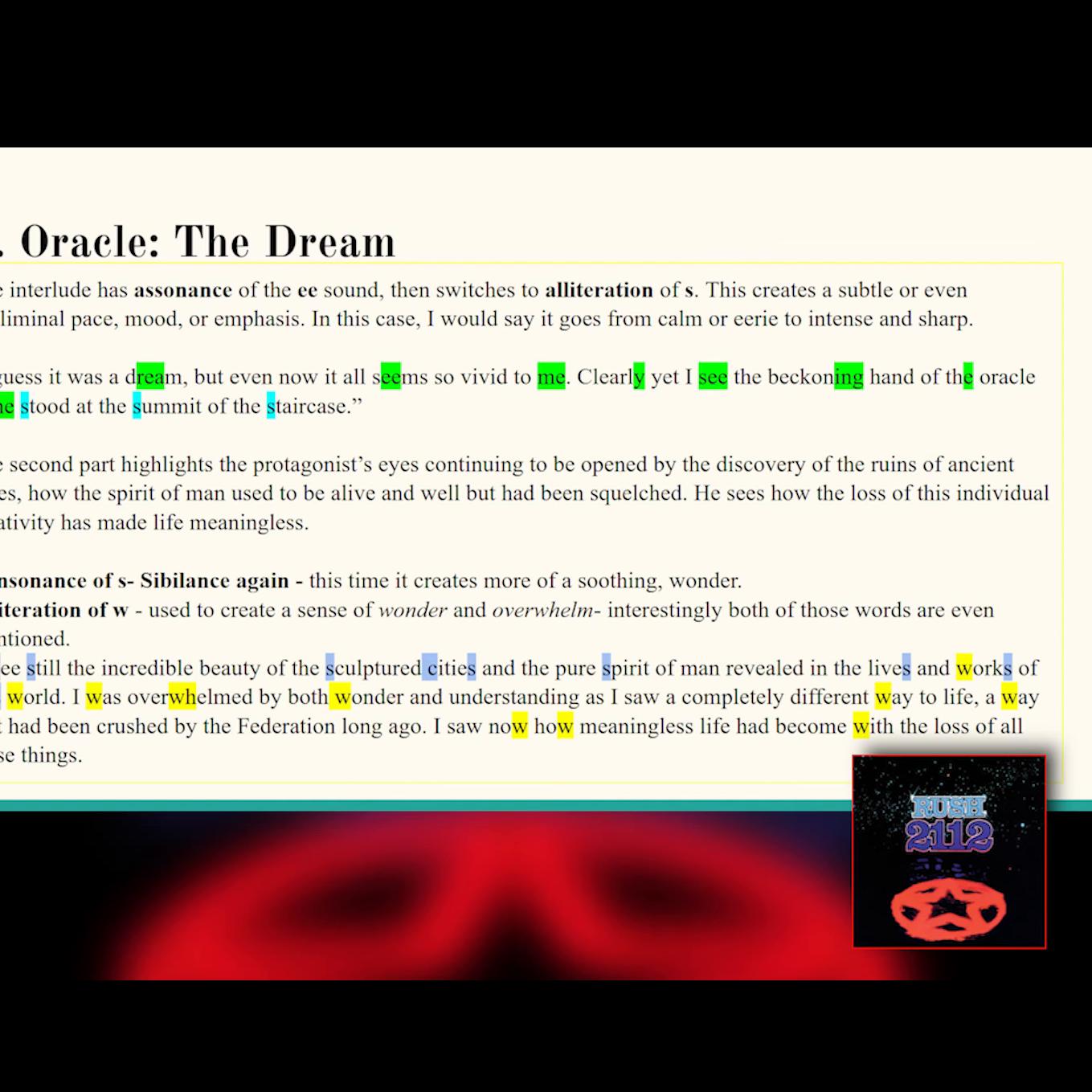
36:57 Wonder and overwhelm: why W sounds matter here
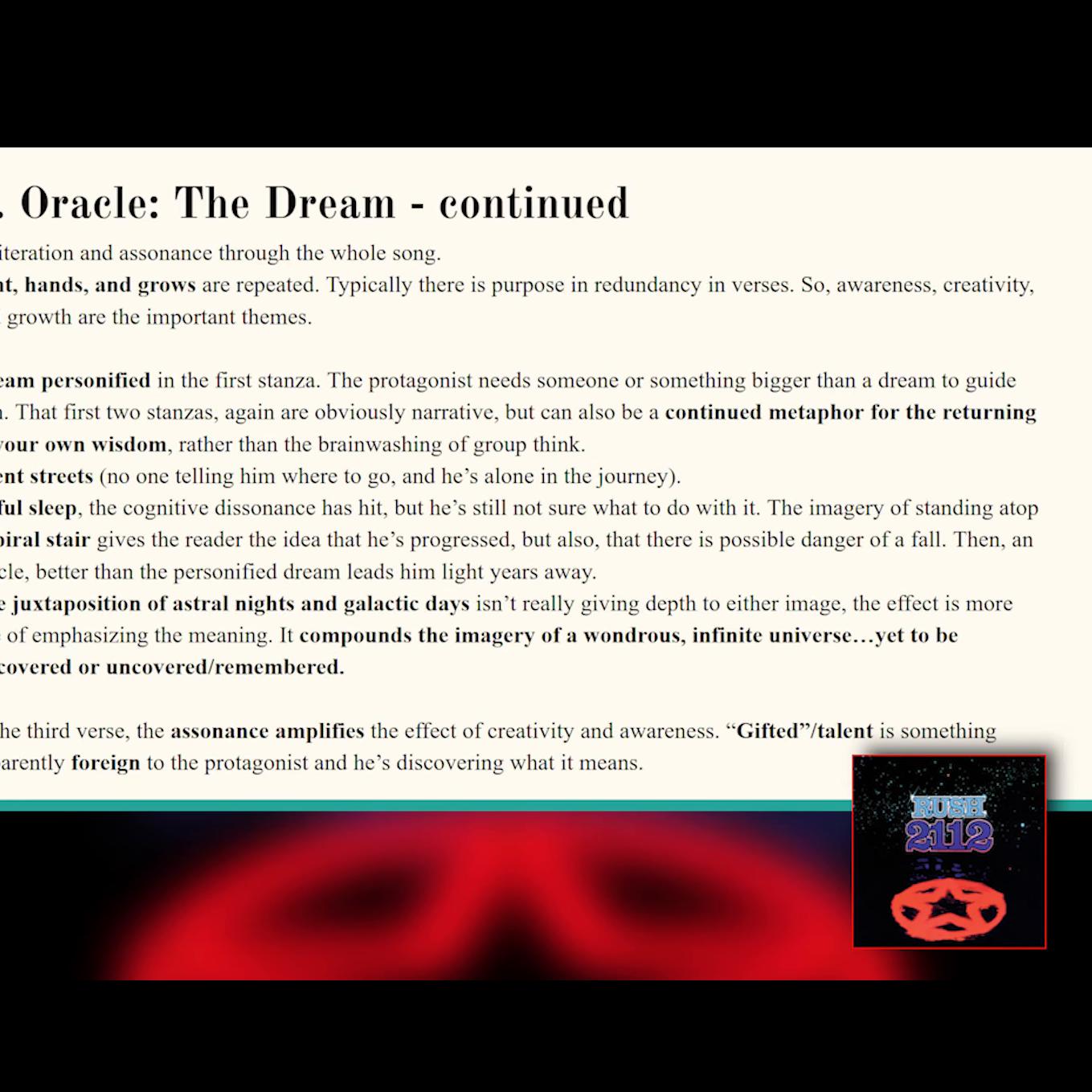
38:09 Repetition and emphasis: light, hands, rows
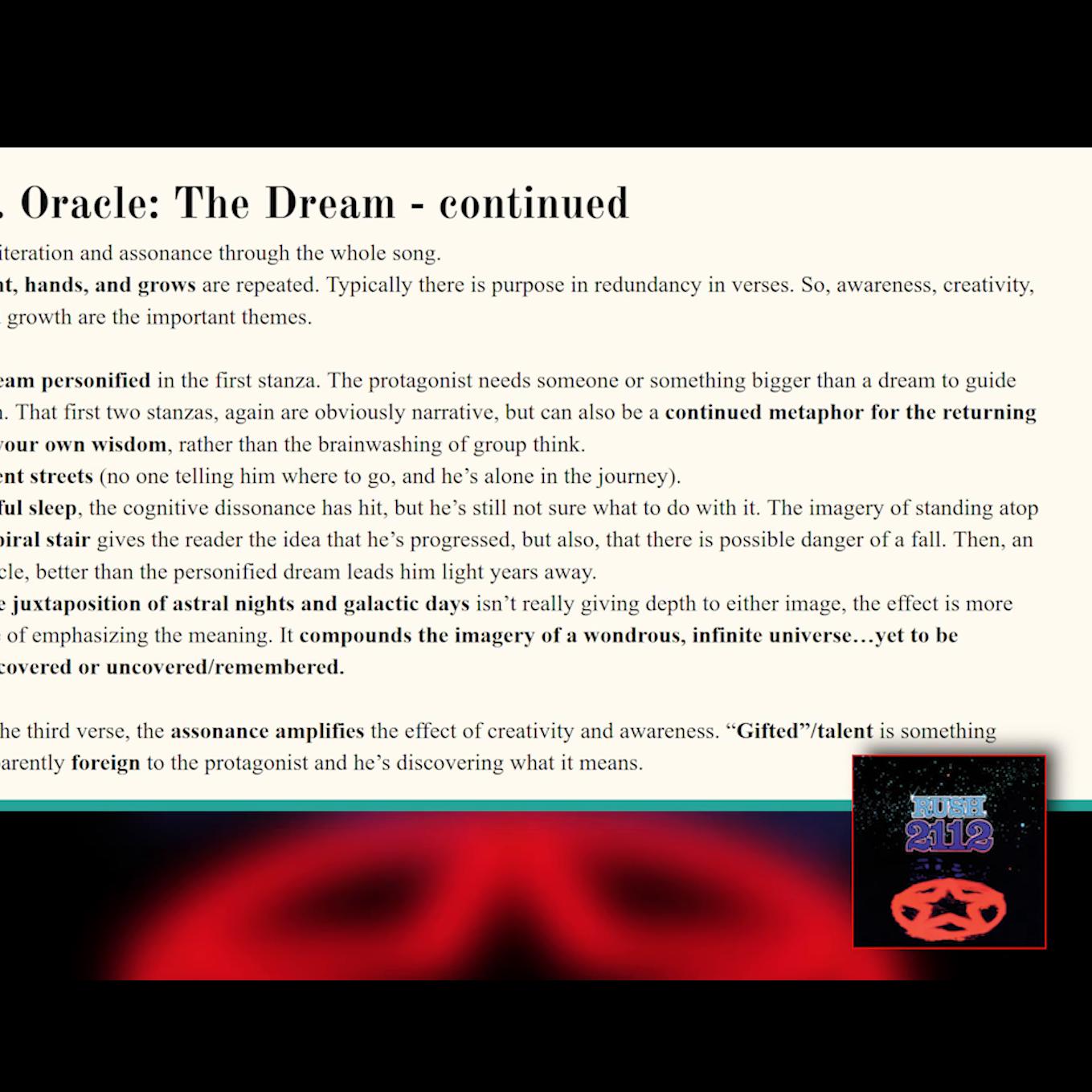
39:12 Silent streets, fitful sleep — traveling alone
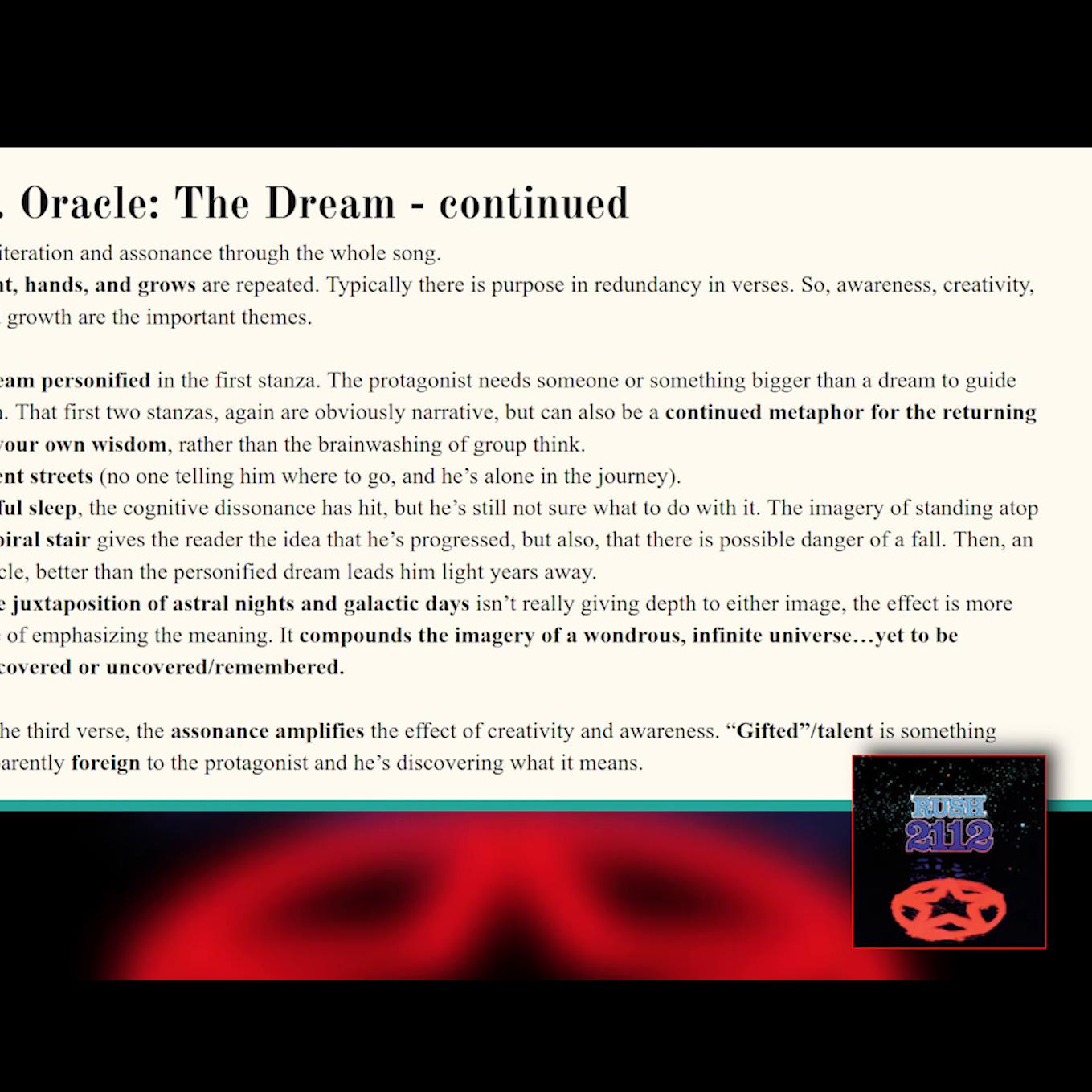
39:25 Spiral stair — ascent, risk, and enlightenment
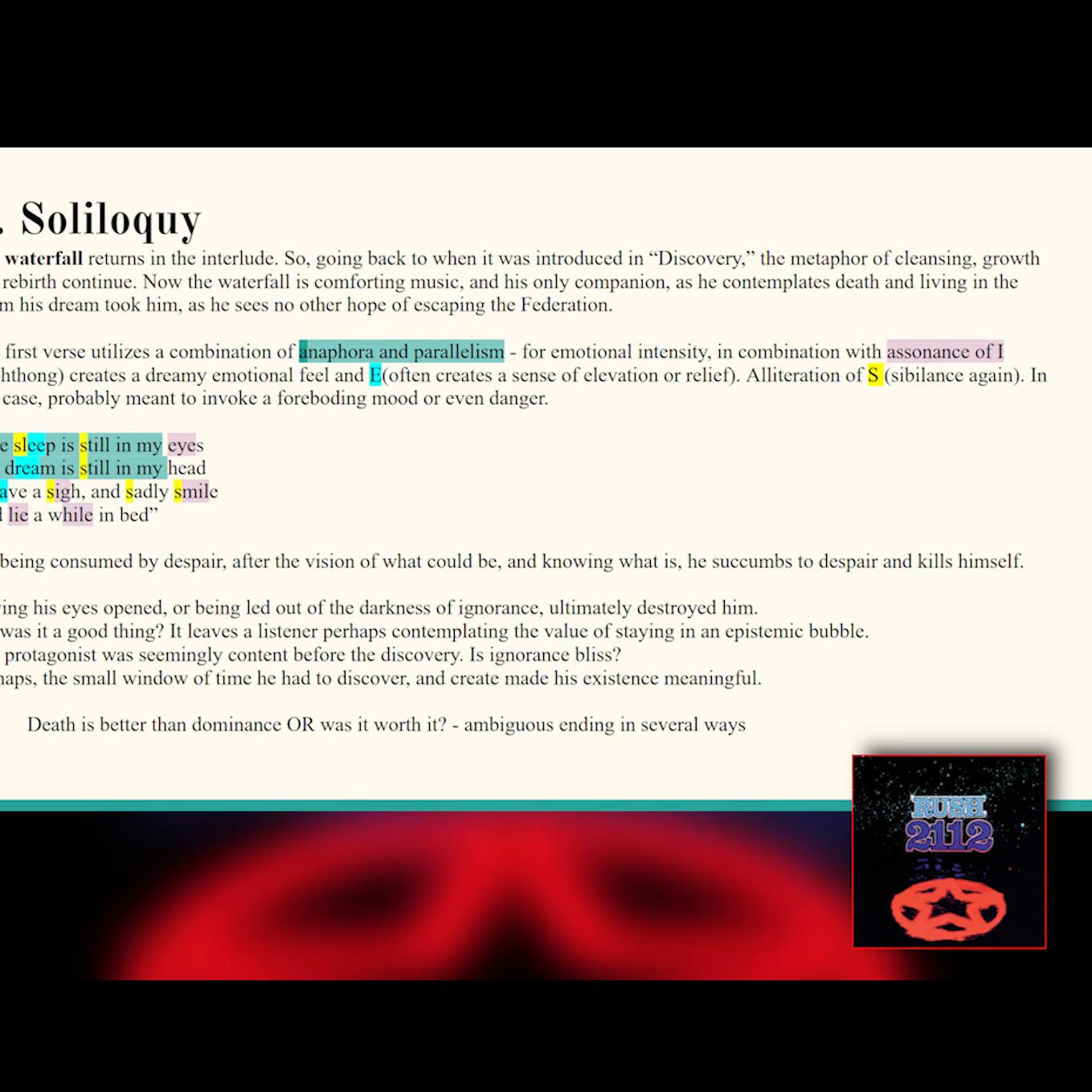
40:58 Soliloquy — the waterfall returns; comfort and despair
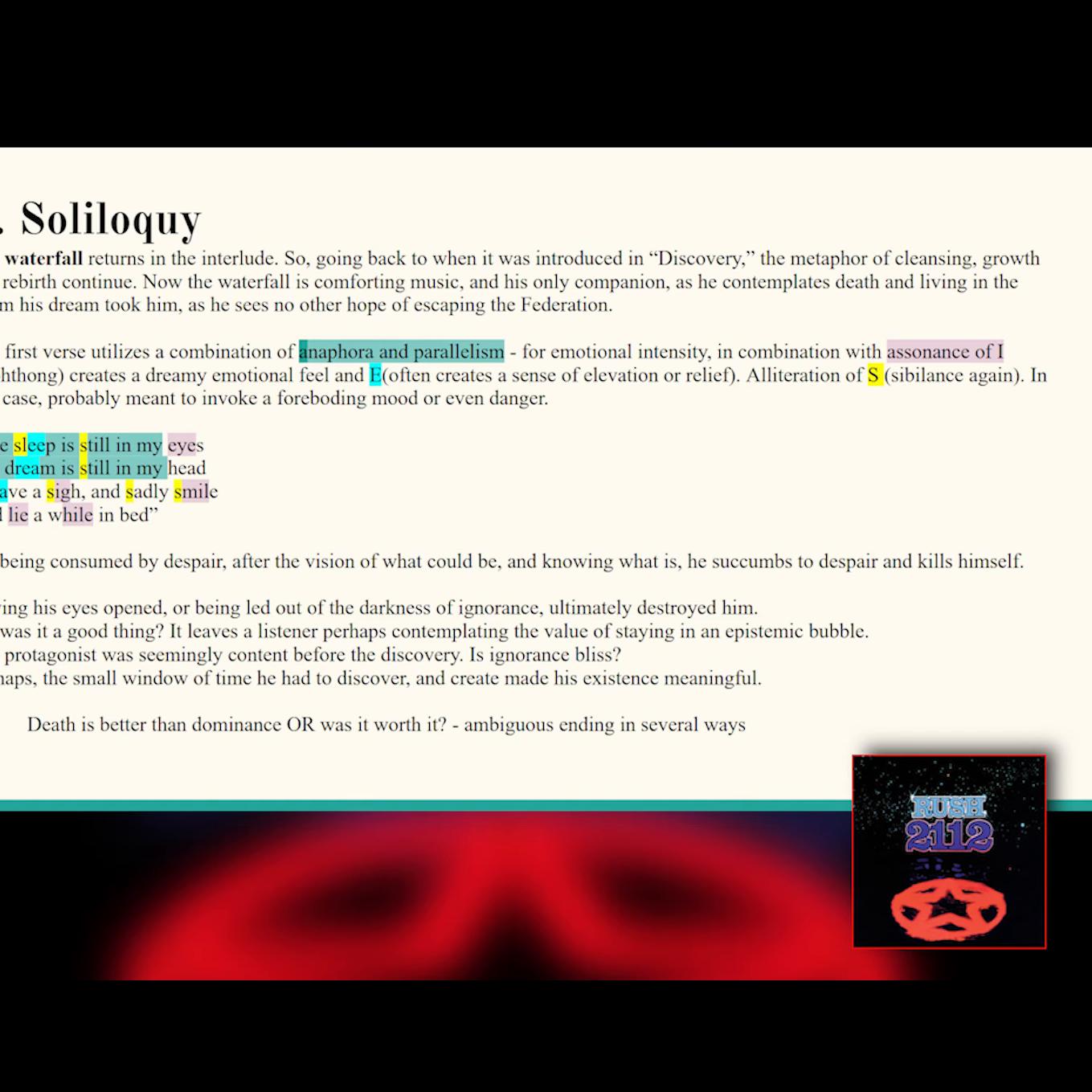
41:59 Dystopia parallels: Logan’s Run, Soylent Green vibes
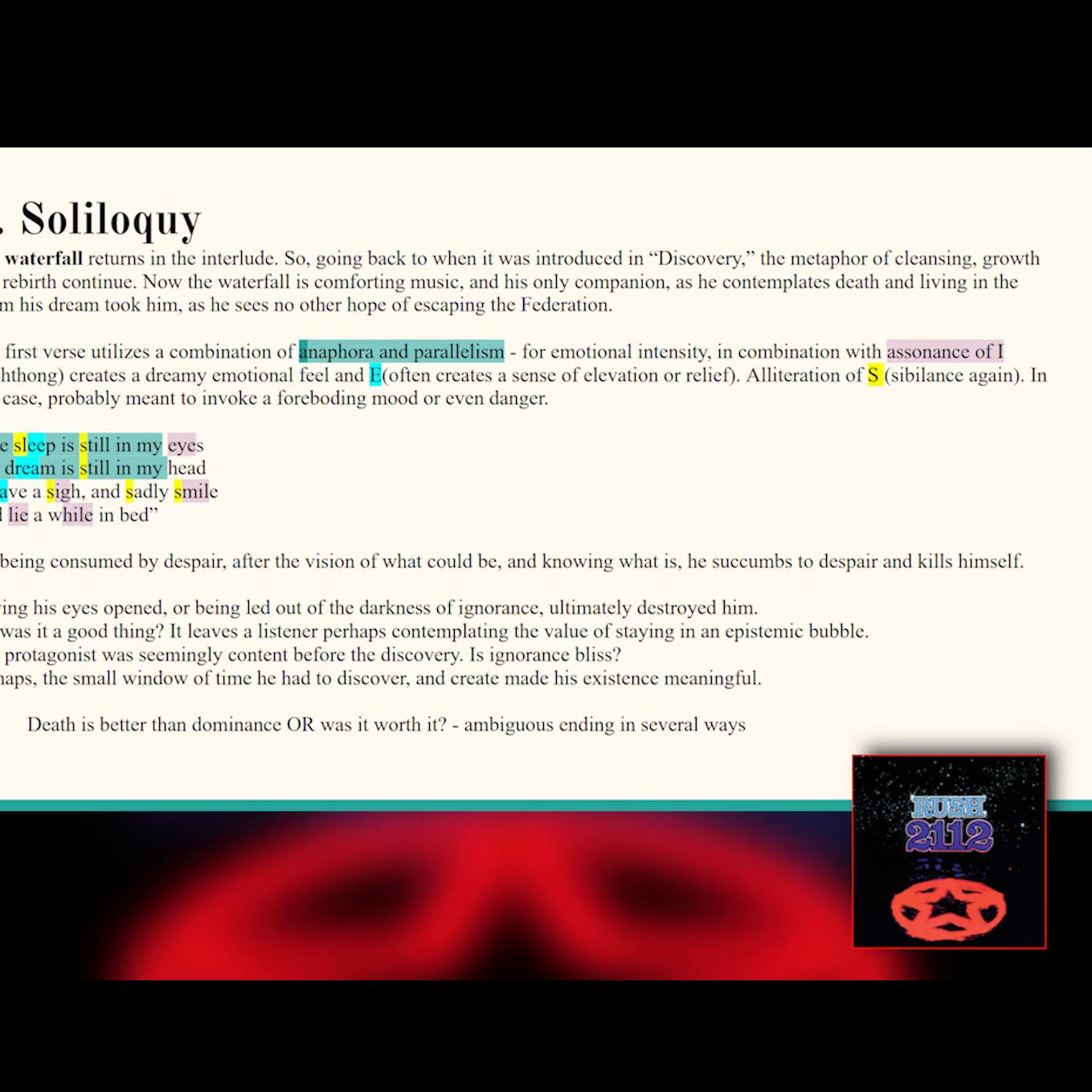
43:18 Anaphora and parallelism — “The sleep is still in my eyes…”
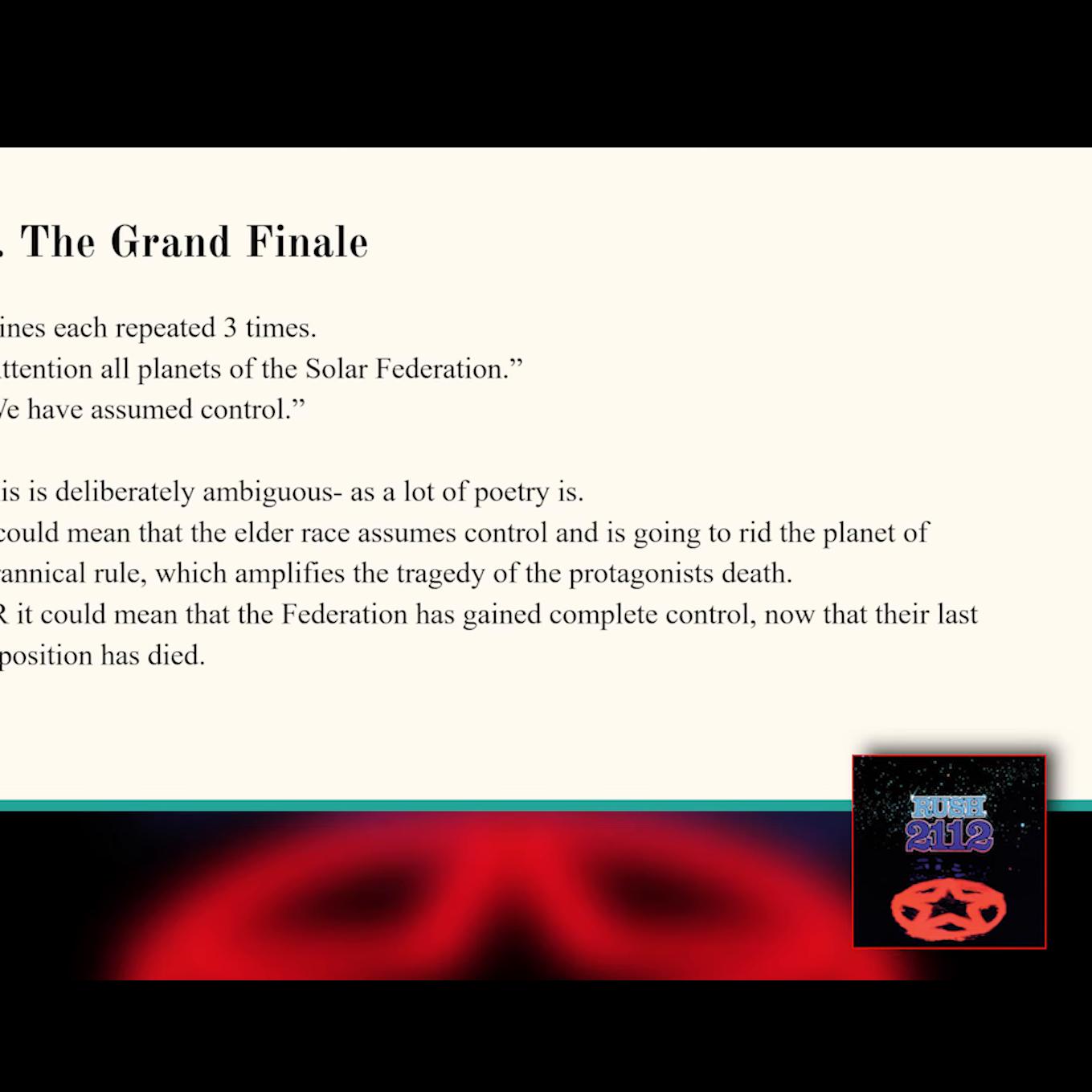
46:00 Grand Finale — who assumed control, and is it a happy ending?
47:03 Outro — tell us how you read the ending and share with Rush fans
50:43 Button — 2112 as a rock/metal suite
Key Highlights
Why context (1970–76) supercharges the album’s themes of control and liberty
How the guitar and waterfall operate as symbols for individuality and rebirth
Literary craft: sibilance, consonance, meter, anaphora, juxtaposition
The Priests’ sales pitch for sameness vs the cost to human potential
The ending’s two credible readings and why ambiguity keeps 2112 timeless
Call to Action
If you’re a Rush fan, drop your interpretation of the finale below and share this with a fellow 2112 obsessive. Want Side B next? Say “Side B” in the comments and we’ll prioritize it.
What’s your read on the ending: rescue by the Elder Race or total lock-in by the Federation? Also, should we continue this series with Side B lyric analysis? Vote “Elder Race,” “Federation,” and “Side B” below.
Rush, 2112, Neil Peart, Geddy Lee, Alex Lifeson, Temple of Syrinx, Anthem, Ayn Rand, progressive rock, lyric analysis, concept album, rock opera, Canadian rock, classic rock history, poetry in lyrics
#Rush #2112 #NeilPeart #GeddyLee #AlexLifeson #ProgRock #ClassicRock #LyricAnalysis #RockHistory #TempleOfSyrinx #Anthem #ConceptAlbum #Audiomover #ShelleCrow
Chime in below: did the ending mean rescue… or total control? And should we continue this series with Side B?
Chapters / Timestamps
00:00 Cold open — why 2112 still feels poetic and dangerous
01:05 Meet Laurice Williamson and today’s plan: a lyric-by-lyric deep dive
03:55 Let’s dive in: how Side A tells a complete narrative
04:14 Context matters: Canada’s October Crisis and civil liberties
05:27 U.S. backdrop: Vietnam’s shadow and Watergate distrust
07:04 “Rock metal suite” vs rock opera — how to classify 2112
08:01 1812 Overture nods and musical quotations - https://youtube.com/shorts/FVcQy5YD3Ec?si=wig0bT8Uma68vDTA
08:52 Dystopian roots: 1984 and Rand’s Anthem, plus Objectivism
10:07 Into the liner notes — setting a totalitarian mood
10:25 “A vast sea of unbroken gray” — symbolism decoded
11:09 Plugging into the machine: work, programming, and comfort
12:11 Religion vs government — power, control, and overlap
14:32 The Temple of Syrinx — gray walls, benevolent priests
16:32 “We’ve taken care of everything” — anti-questioning as policy
17:39 Great computers, keys to the good life, and rationed gifts
20:22 “Within these/our walls” — how control recruits you
20:49 Discovery — the guitar as individuality and awakening
22:19 The waterfall as veil, cleansing, and rebirth
23:21 “Behind it is freedom” — privacy, selfhood, agency
24:09 Poetic devices in Discovery: alliteration and paradox
27:58 “The priests praise my name” — hope before the crash
29:11 Human nature, glory, and the pull to stand out
29:50 Presentation — the hiss of rejection and smashed guitar
33:18 Miracle vs “a waste of time” — average over excellence
33:49 “Think of the average” — why ambition is dangerous
34:14 Oracle: The Dream — ruins, wonder, and lost spirit
35:31 Seeing what was lost: creativity and meaning
36:57 Wonder and overwhelm: why W sounds matter here
38:09 Repetition and emphasis: light, hands, rows
39:12 Silent streets, fitful sleep — traveling alone
39:25 Spiral stair — ascent, risk, and enlightenment
40:58 Soliloquy — the waterfall returns; comfort and despair
41:59 Dystopia parallels: Logan’s Run, Soylent Green vibes
43:18 Anaphora and parallelism — “The sleep is still in my eyes…”
46:00 Grand Finale — who assumed control, and is it a happy ending?
47:03 Outro — tell us how you read the ending and share with Rush fans
50:43 Button — 2112 as a rock/metal suite
Key Highlights
Why context (1970–76) supercharges the album’s themes of control and liberty
How the guitar and waterfall operate as symbols for individuality and rebirth
Literary craft: sibilance, consonance, meter, anaphora, juxtaposition
The Priests’ sales pitch for sameness vs the cost to human potential
The ending’s two credible readings and why ambiguity keeps 2112 timeless
Call to Action
If you’re a Rush fan, drop your interpretation of the finale below and share this with a fellow 2112 obsessive. Want Side B next? Say “Side B” in the comments and we’ll prioritize it.
What’s your read on the ending: rescue by the Elder Race or total lock-in by the Federation? Also, should we continue this series with Side B lyric analysis? Vote “Elder Race,” “Federation,” and “Side B” below.
Rush, 2112, Neil Peart, Geddy Lee, Alex Lifeson, Temple of Syrinx, Anthem, Ayn Rand, progressive rock, lyric analysis, concept album, rock opera, Canadian rock, classic rock history, poetry in lyrics
#Rush #2112 #NeilPeart #GeddyLee #AlexLifeson #ProgRock #ClassicRock #LyricAnalysis #RockHistory #TempleOfSyrinx #Anthem #ConceptAlbum #Audiomover #ShelleCrow
Chapters
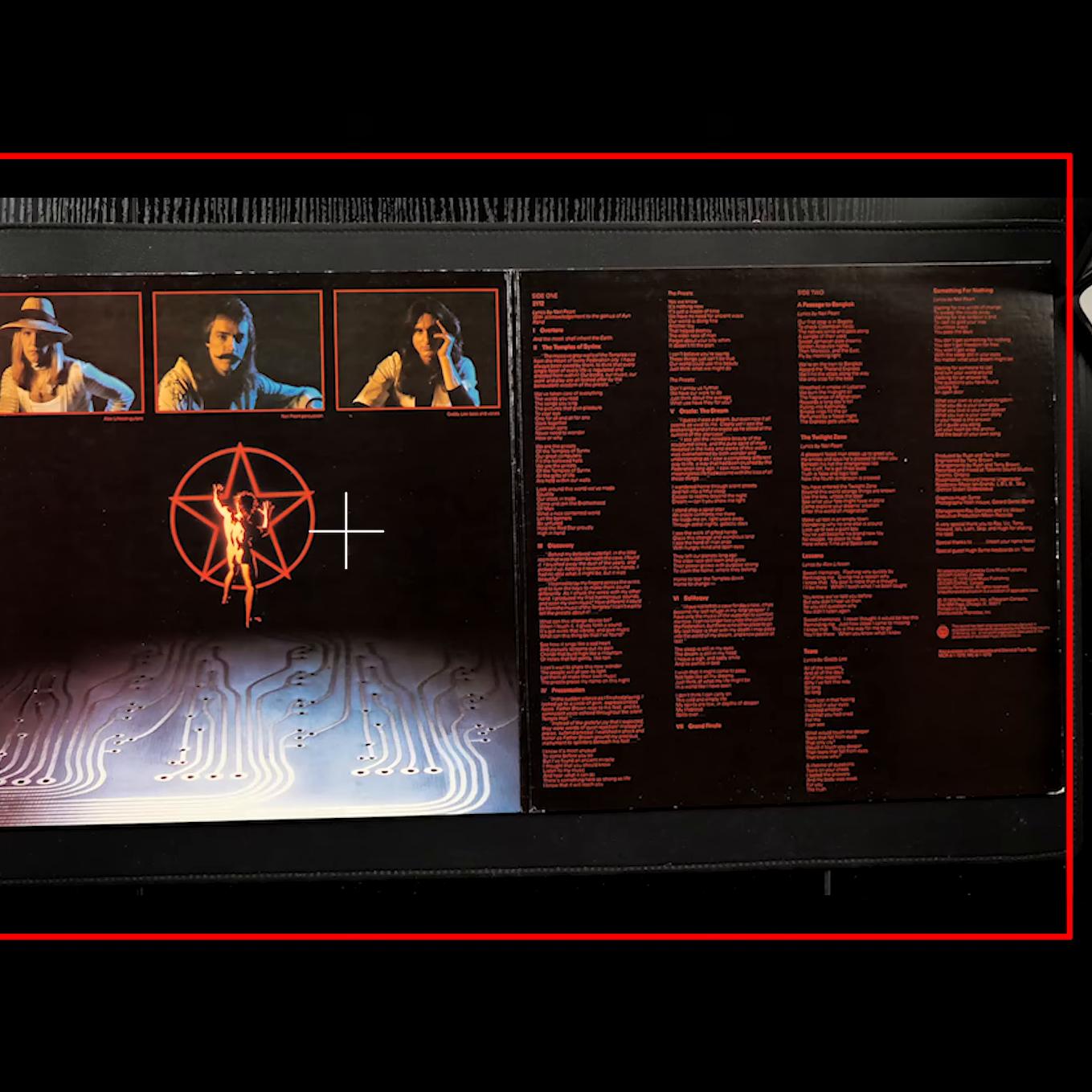
00:00
Cold open — why 2112 still feels poetic and dangerous
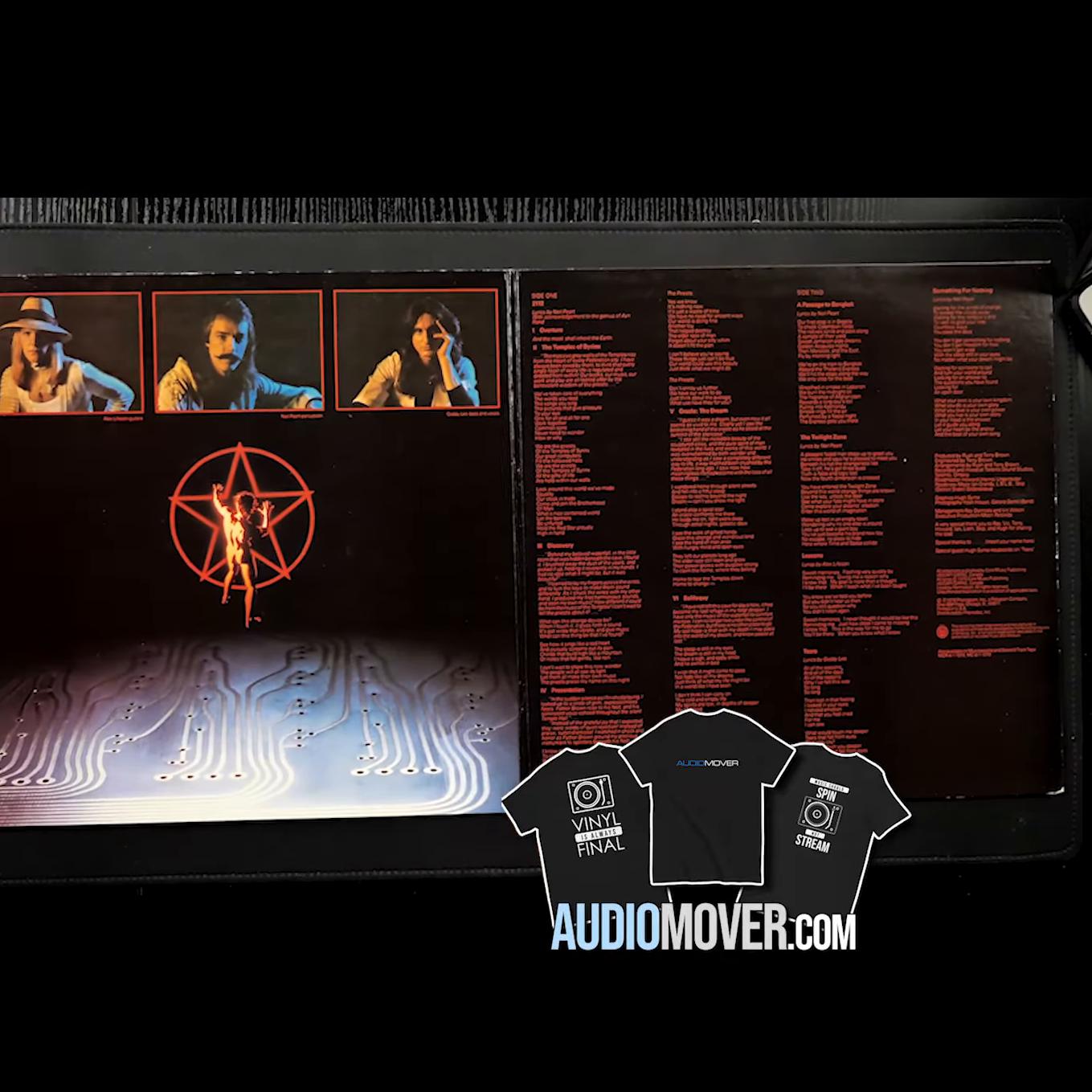
01:05
Meet Laurice Williamson and today’s plan: a lyric-by-lyric deep dive
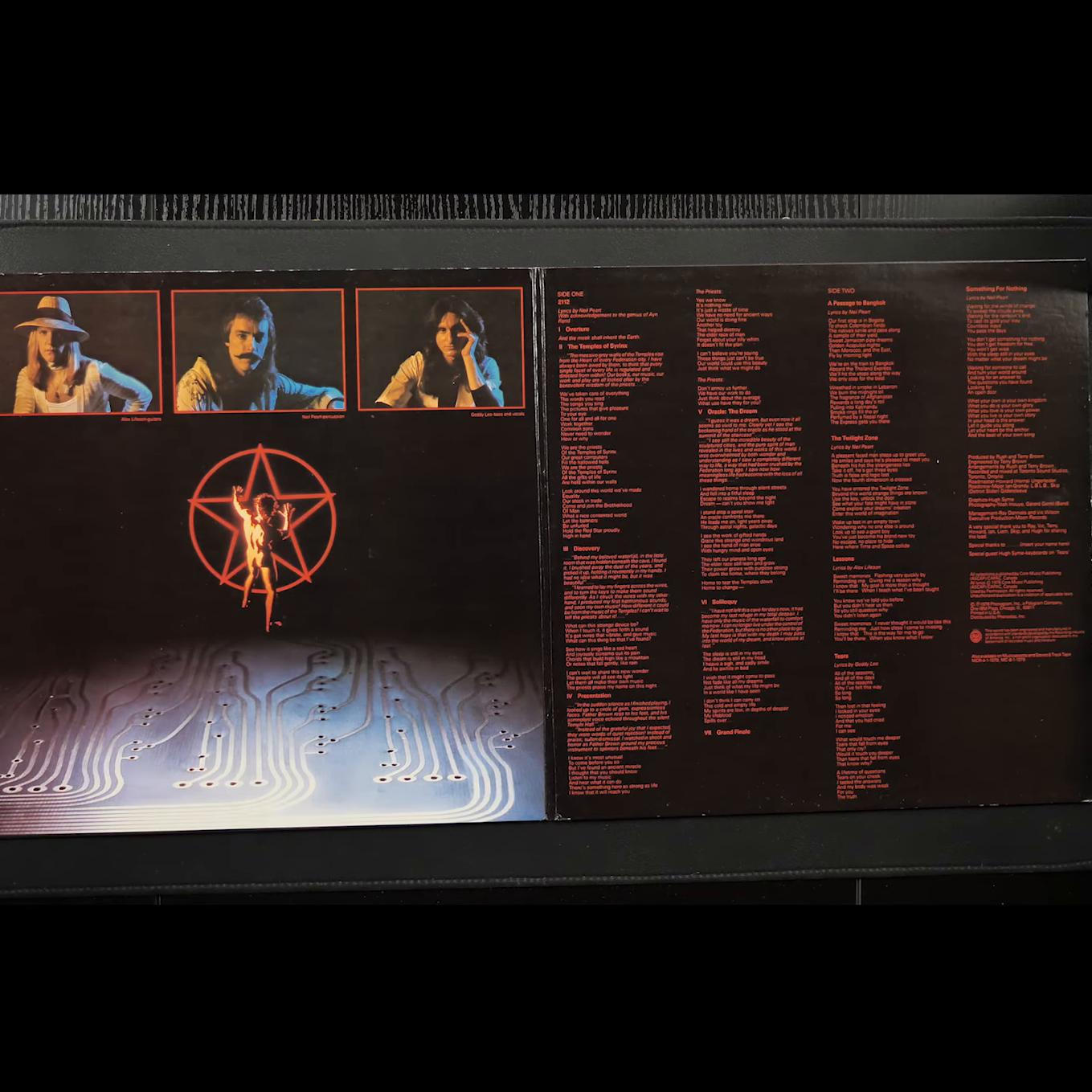
03:55
Let’s dive in: how Side A tells a complete narrative
04:14
Context matters: Canada’s October Crisis and civil liberties
05:27
U.S. backdrop: Vietnam’s shadow and Watergate distrust
07:04
“Rock metal suite” vs rock opera — how to classify 2112
08:01
1812 Overture nods and musical quotations
08:52
Dystopian roots: 1984 and Rand’s Anthem, plus Objectivism
10:07
Into the liner notes — setting a totalitarian mood
10:25
“A vast sea of unbroken gray” — symbolism decoded
11:09
Plugging into the machine: work, programming, and comfort
12:11
Religion vs government — power, control, and overlap
14:32
The Temple of Syrinx — gray walls, benevolent priests
16:32
“We’ve taken care of everything” — anti-questioning as policy
17:39
Great computers, keys to the good life, and rationed gifts
20:22
“Within these/our walls” — how control recruits you
20:49
Discovery — the guitar as individuality and awakening
22:19
The waterfall as veil, cleansing, and rebirth
23:21
“Behind it is freedom” — privacy, selfhood, agency
24:09
Poetic devices in Discovery: alliteration and paradox
27:58
“The priests praise my name” — hope before the crash
29:11
Human nature, glory, and the pull to stand out
29:50
Presentation — the hiss of rejection and smashed guitar
33:18
Miracle vs “a waste of time” — average over excellence
33:49
“Think of the average” — why ambition is dangerous
34:14
Oracle: The Dream — ruins, wonder, and lost spirit
35:31
Seeing what was lost: creativity and meaning
36:57
Wonder and overwhelm: why W sounds matter here
38:09
Repetition and emphasis: light, hands, rows
39:12
Silent streets, fitful sleep — traveling alone
39:25
Spiral stair — ascent, risk, and enlightenment
40:58
Soliloquy — the waterfall returns; comfort and despair
41:59
Dystopia parallels: Logan’s Run, Soylent Green vibes
43:18
Anaphora and parallelism — “The sleep is still in my eyes…”
46:00
Grand Finale — who assumed control, and is it a happy ending?
47:03
Outro — tell us how you read the ending and share with Rush fans
