 Episode #462
March 18, 2026
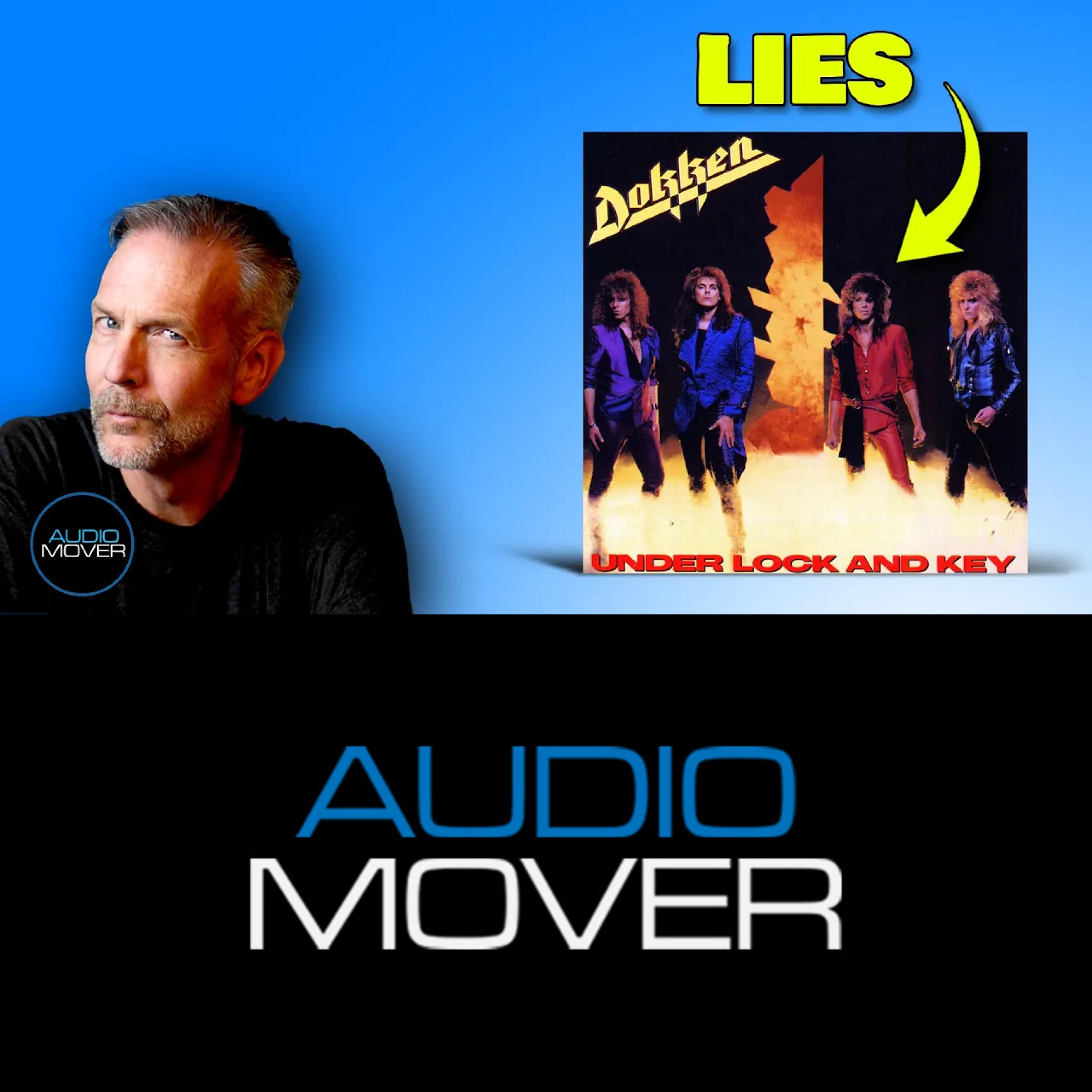
Dokken - REPAIR DESTROYED THE BAND - Secrets Behind the Scenes
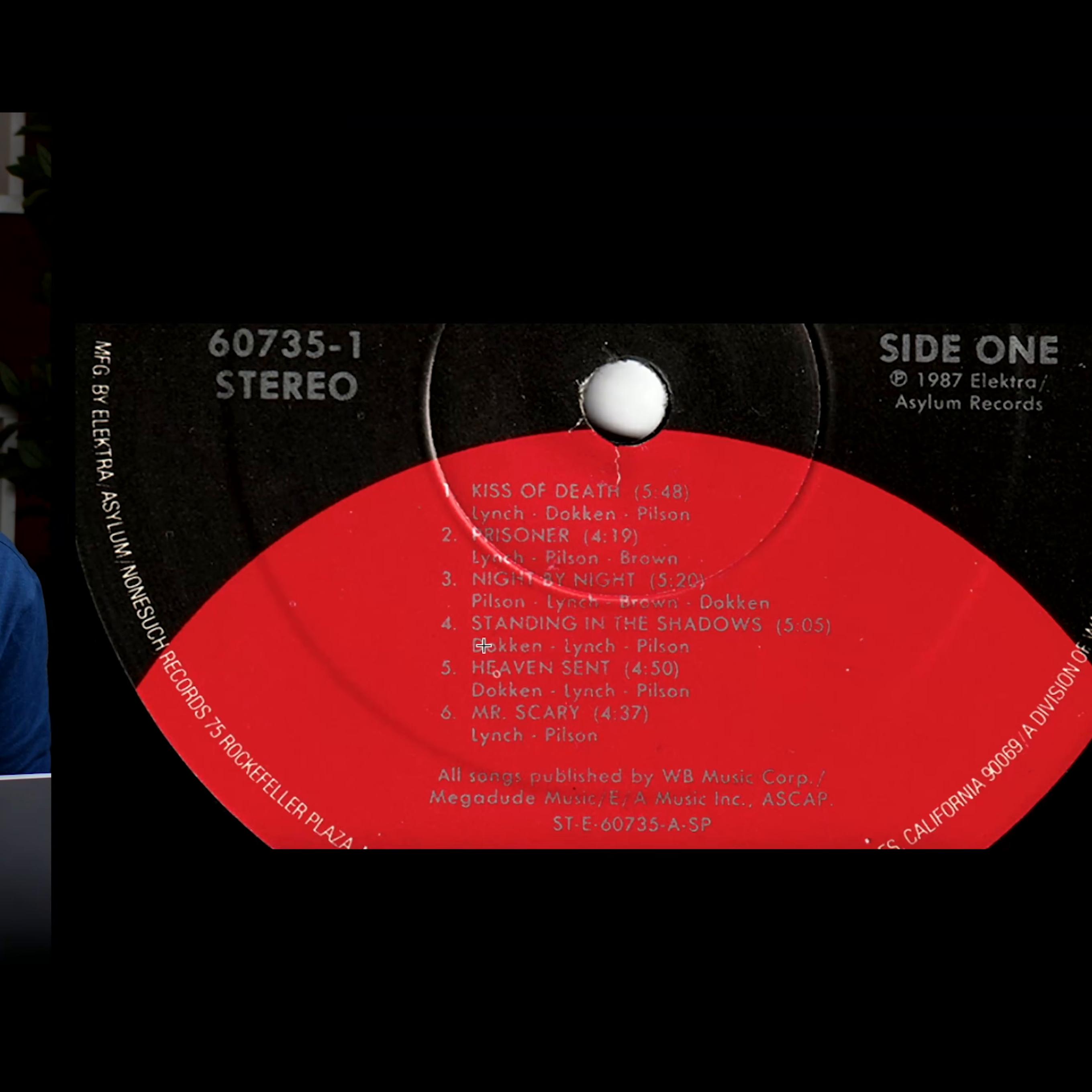
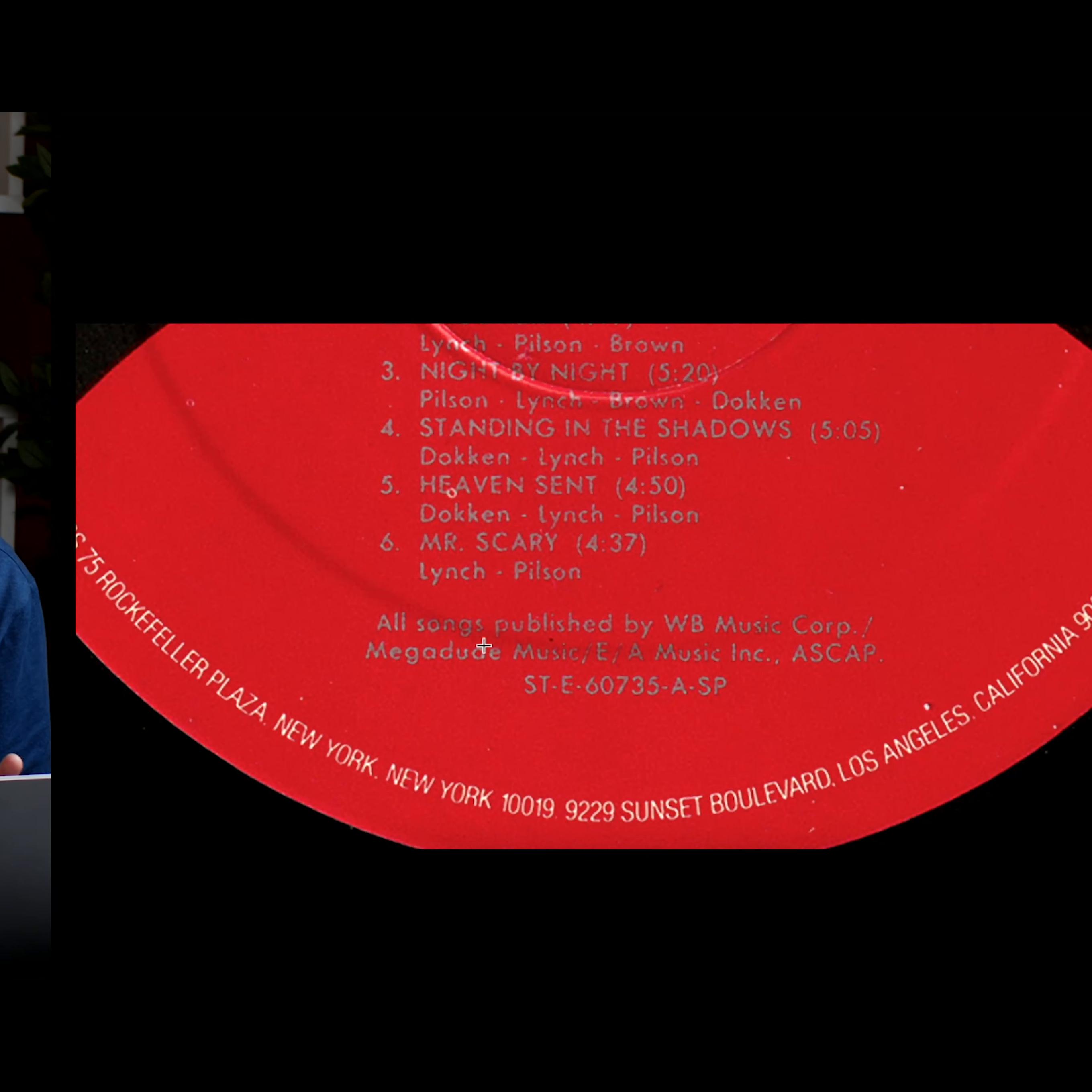
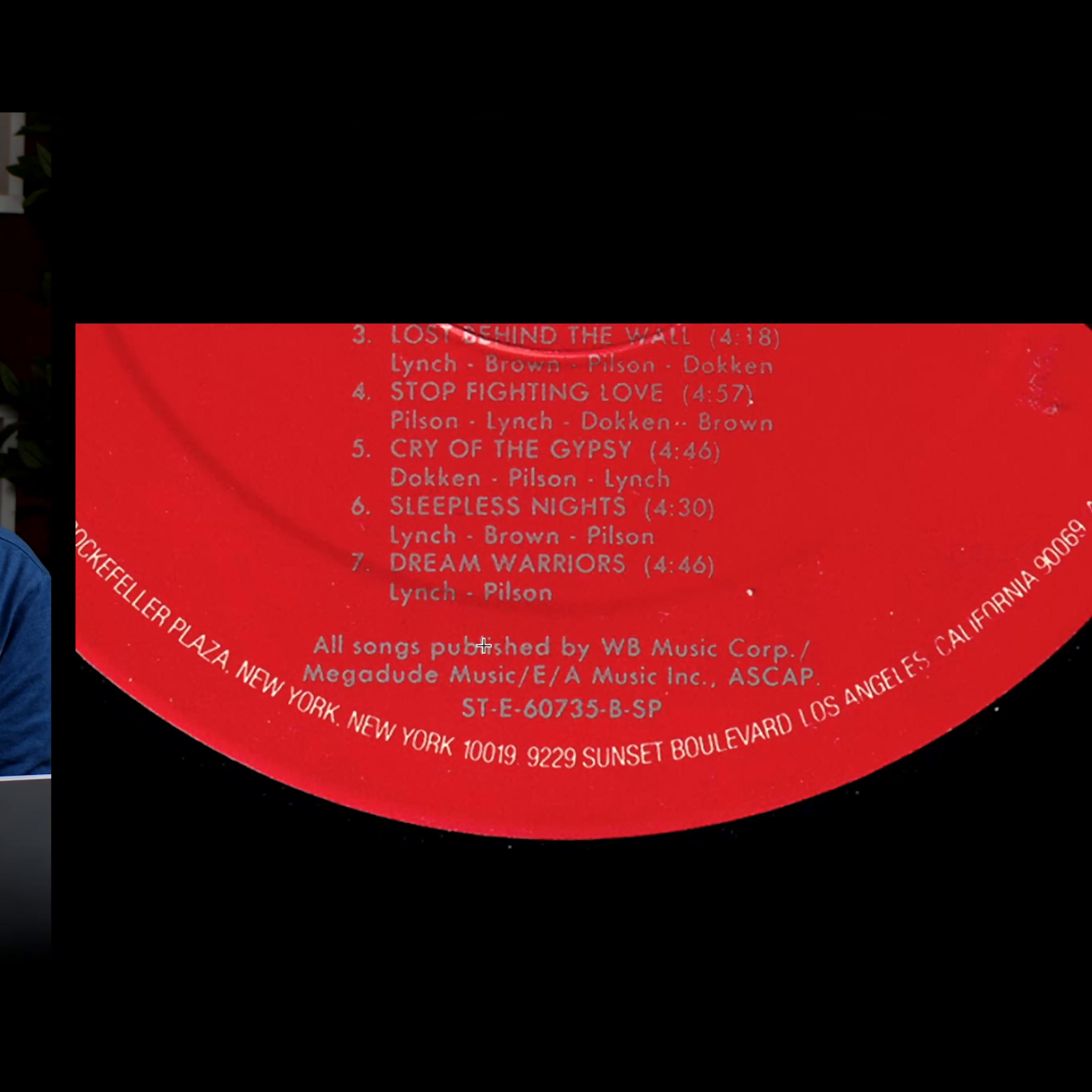
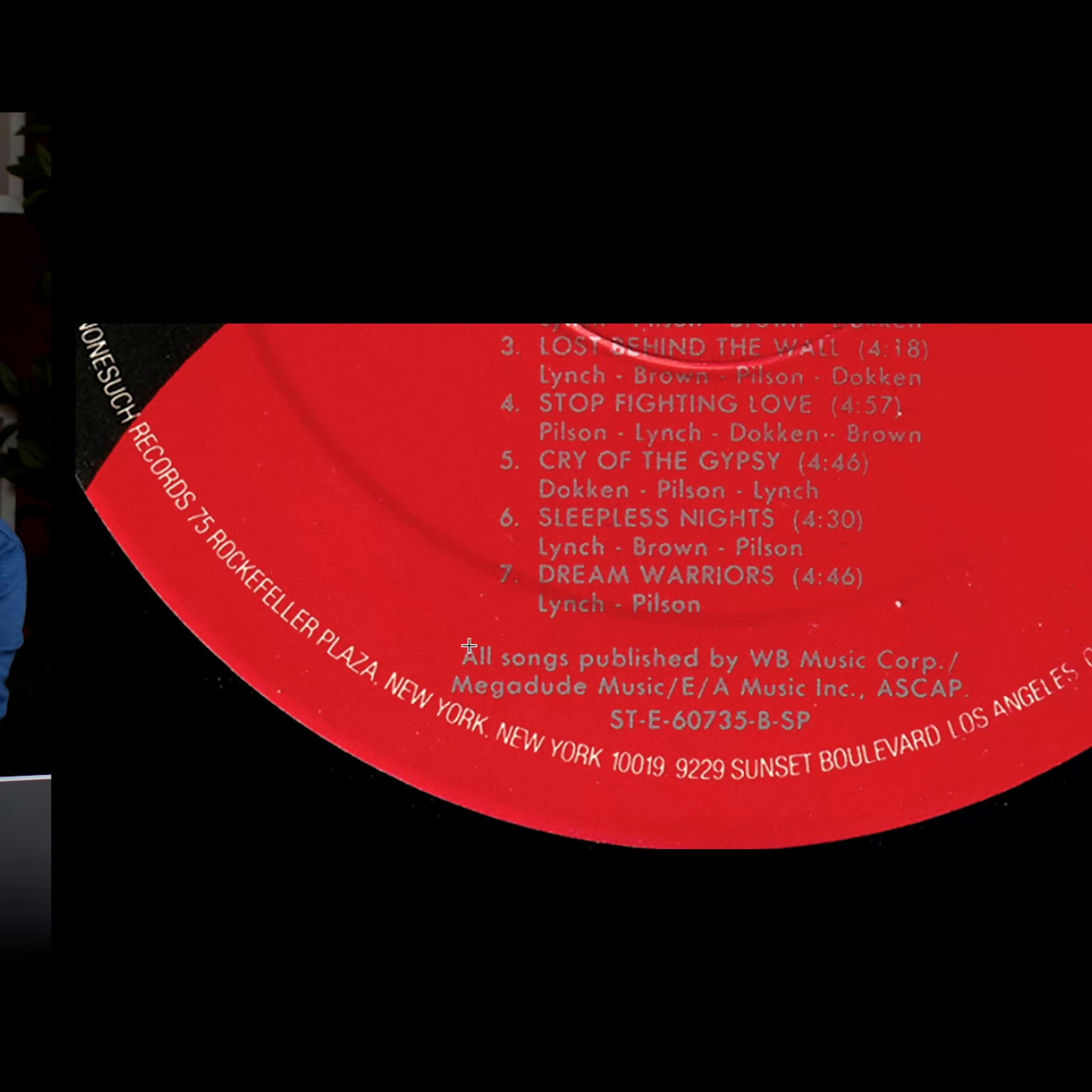
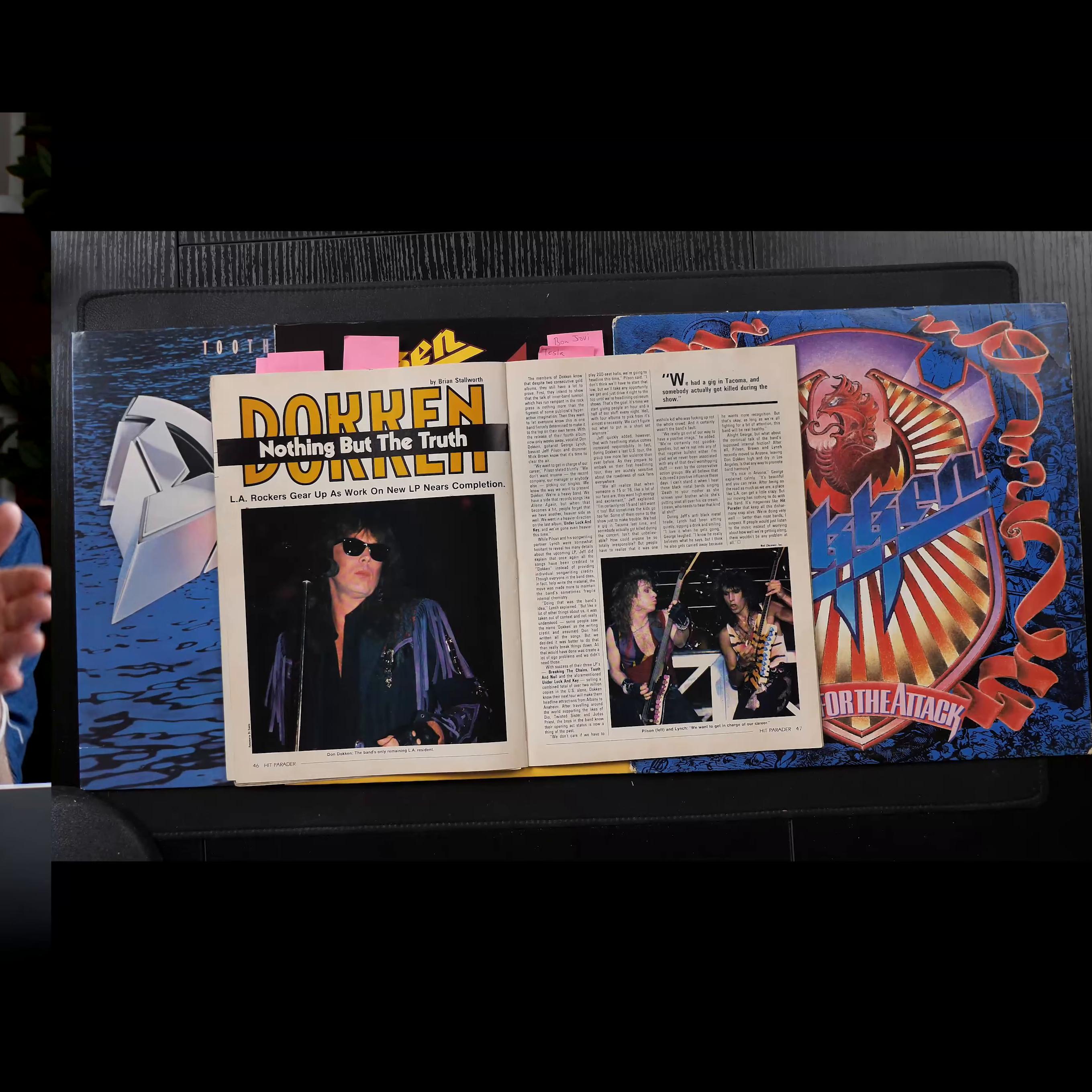
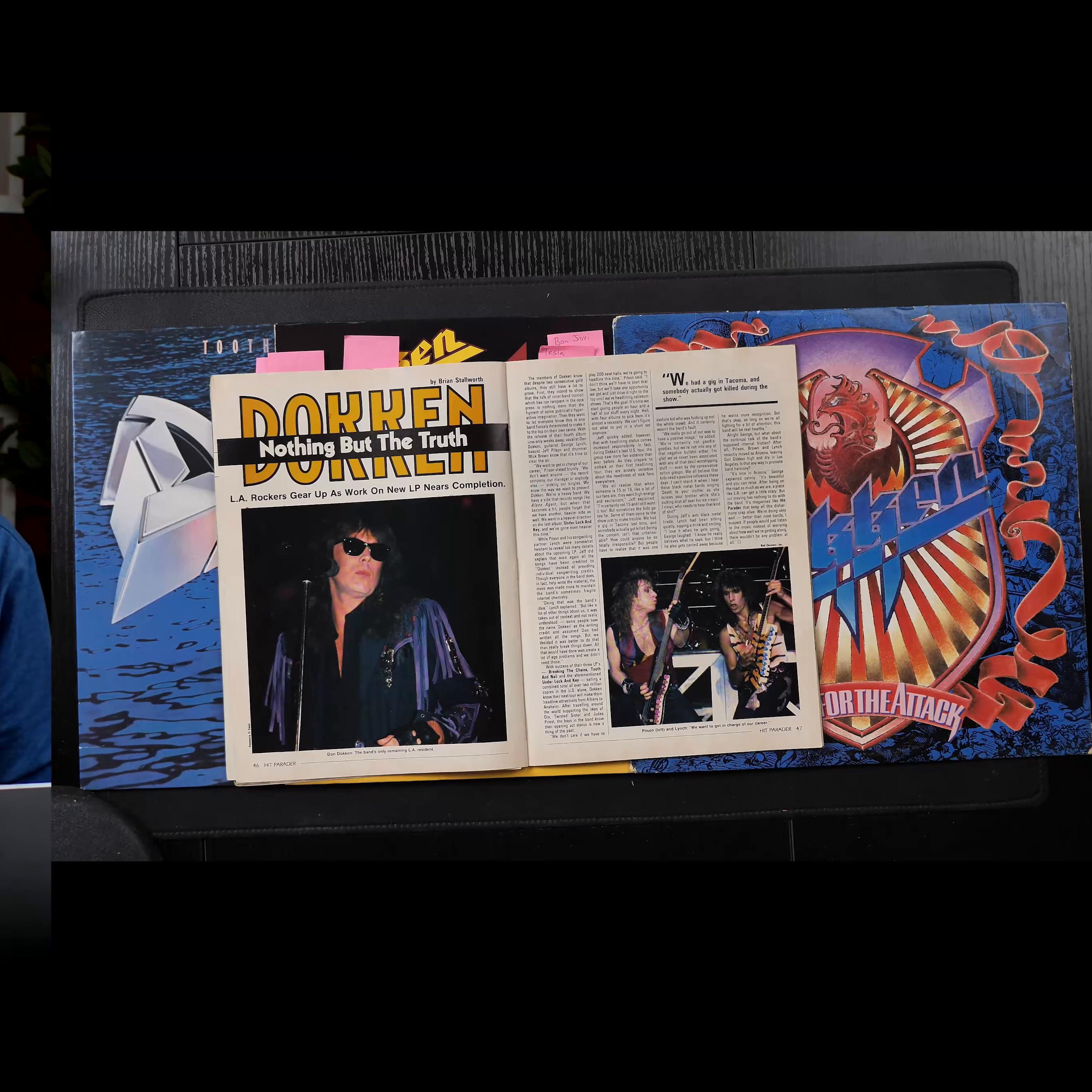
Robert John Hadfield digs into a fascinating—and surprisingly overlooked—moment in Dokken history that may have actually made their internal tensions worse instead of better. At the height of their success in the mid-’80s, with platinum albums and rising popularity, Dokken made a subtle but risky decision on Under Lock and Key that was meant to keep the peace… but may have done the exact opposite.
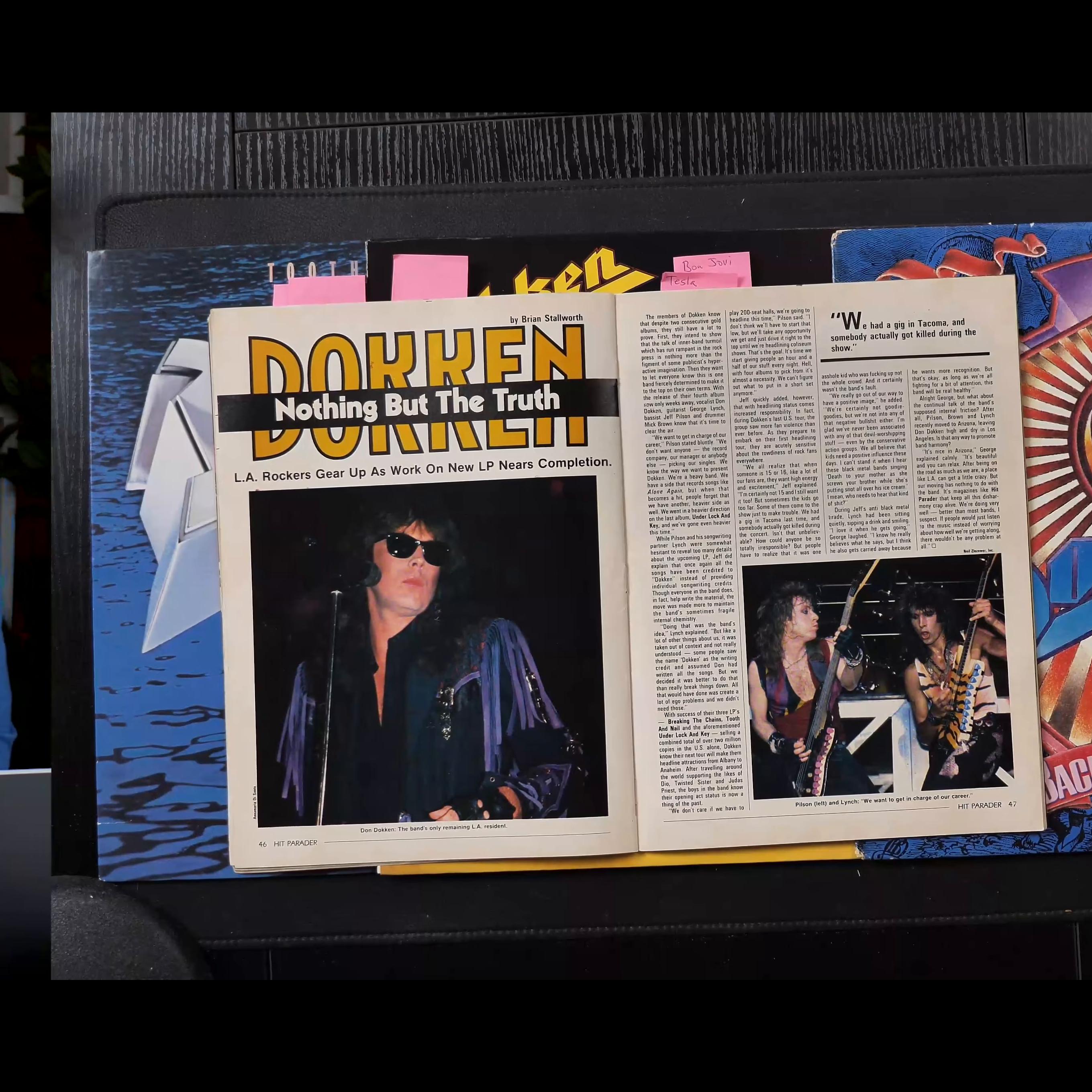
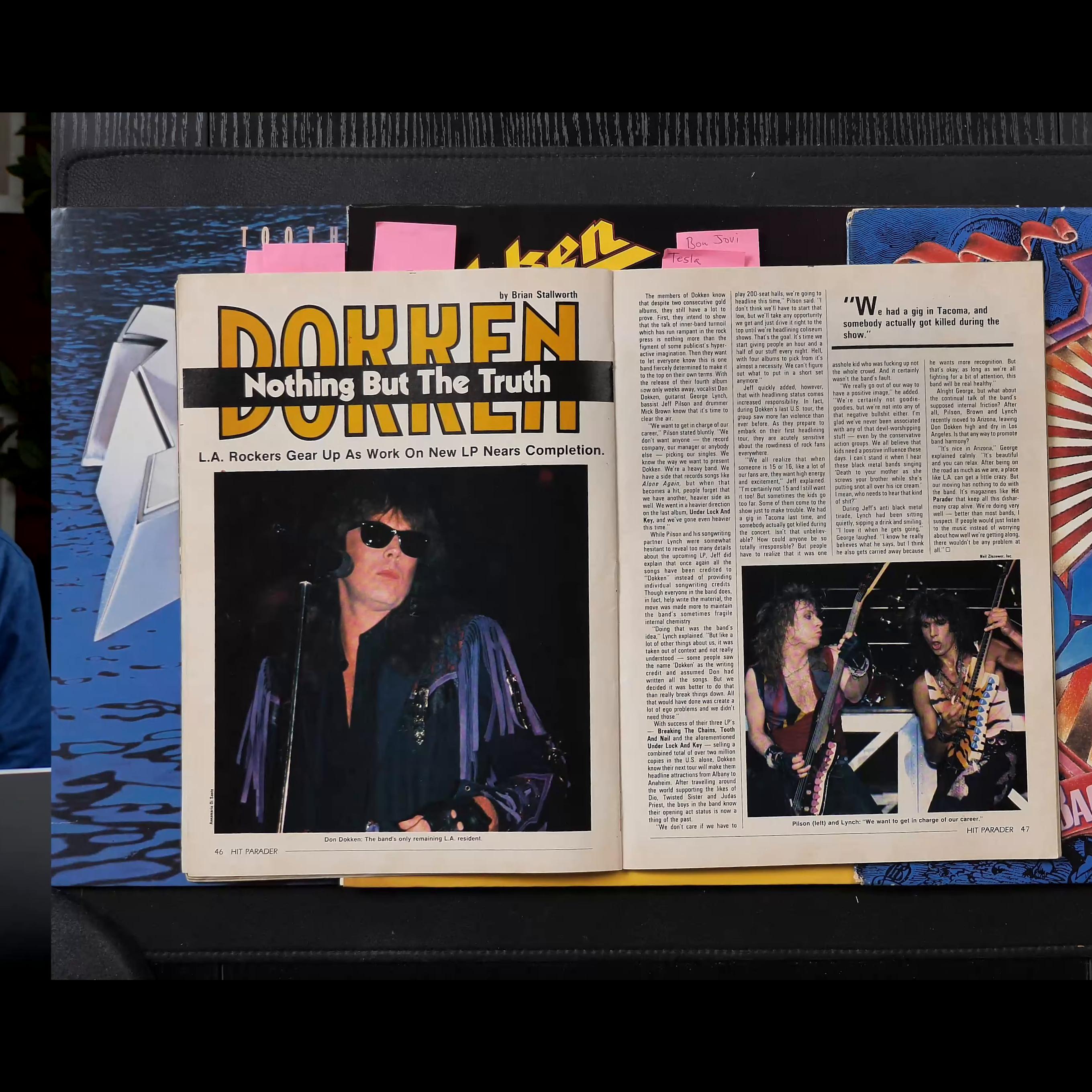
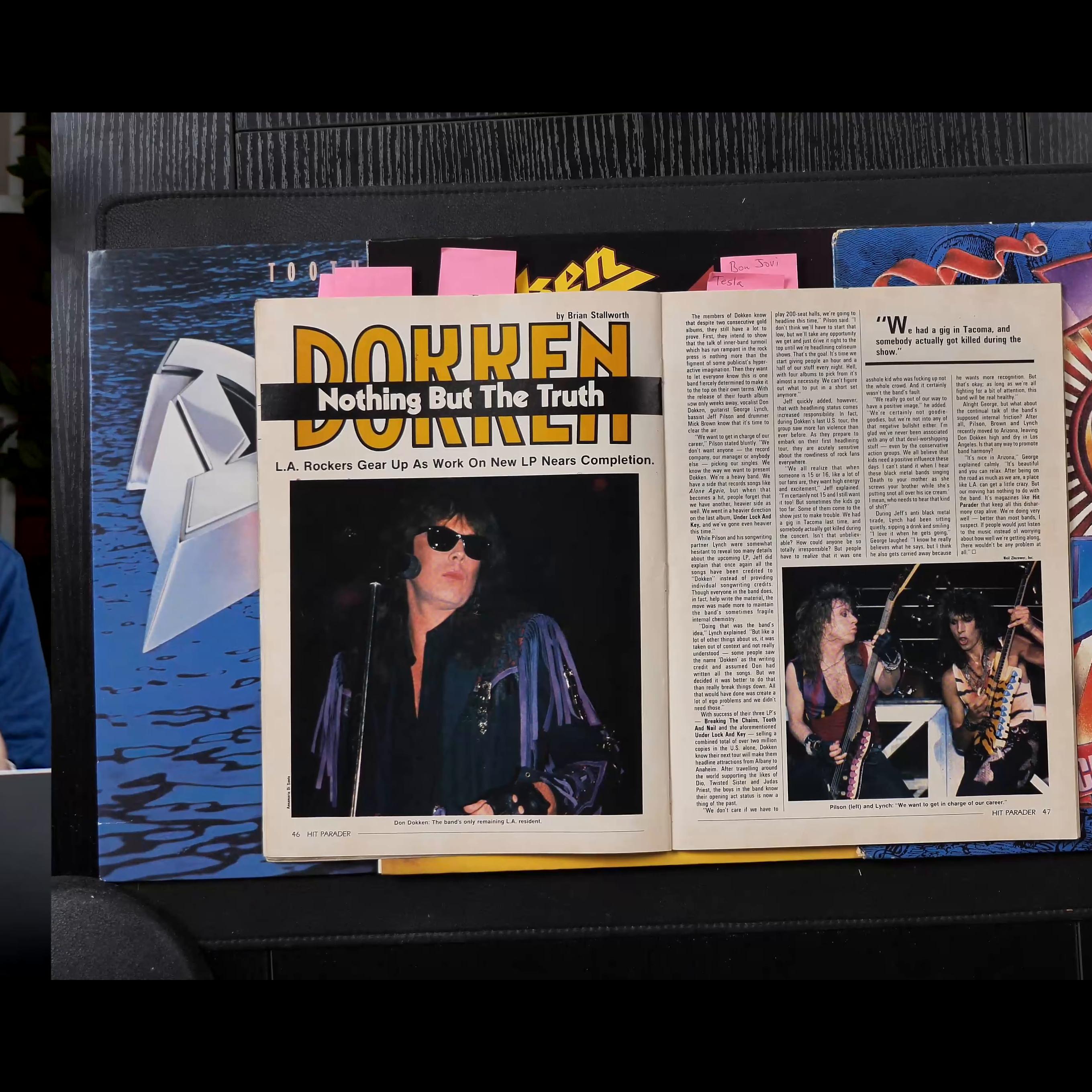
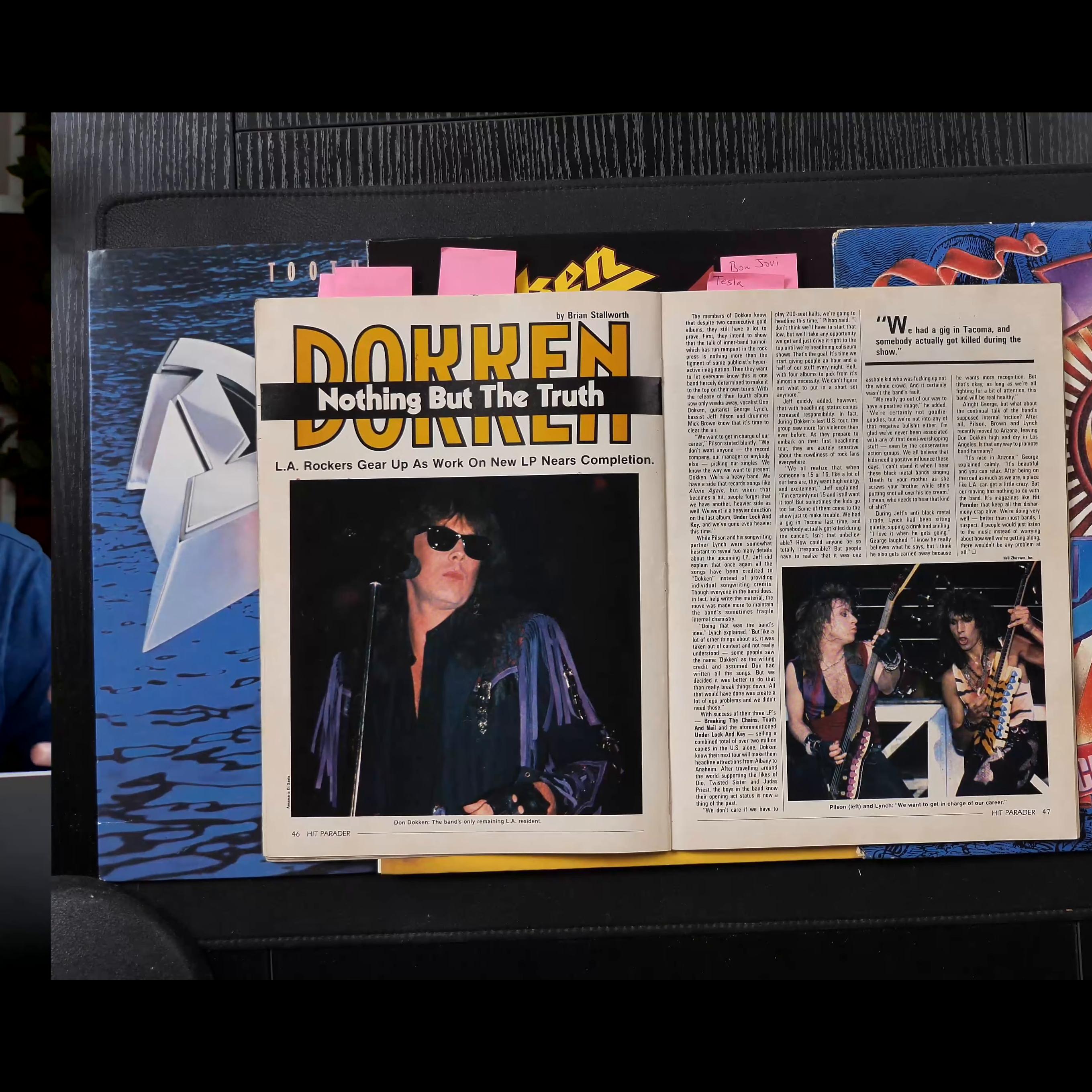
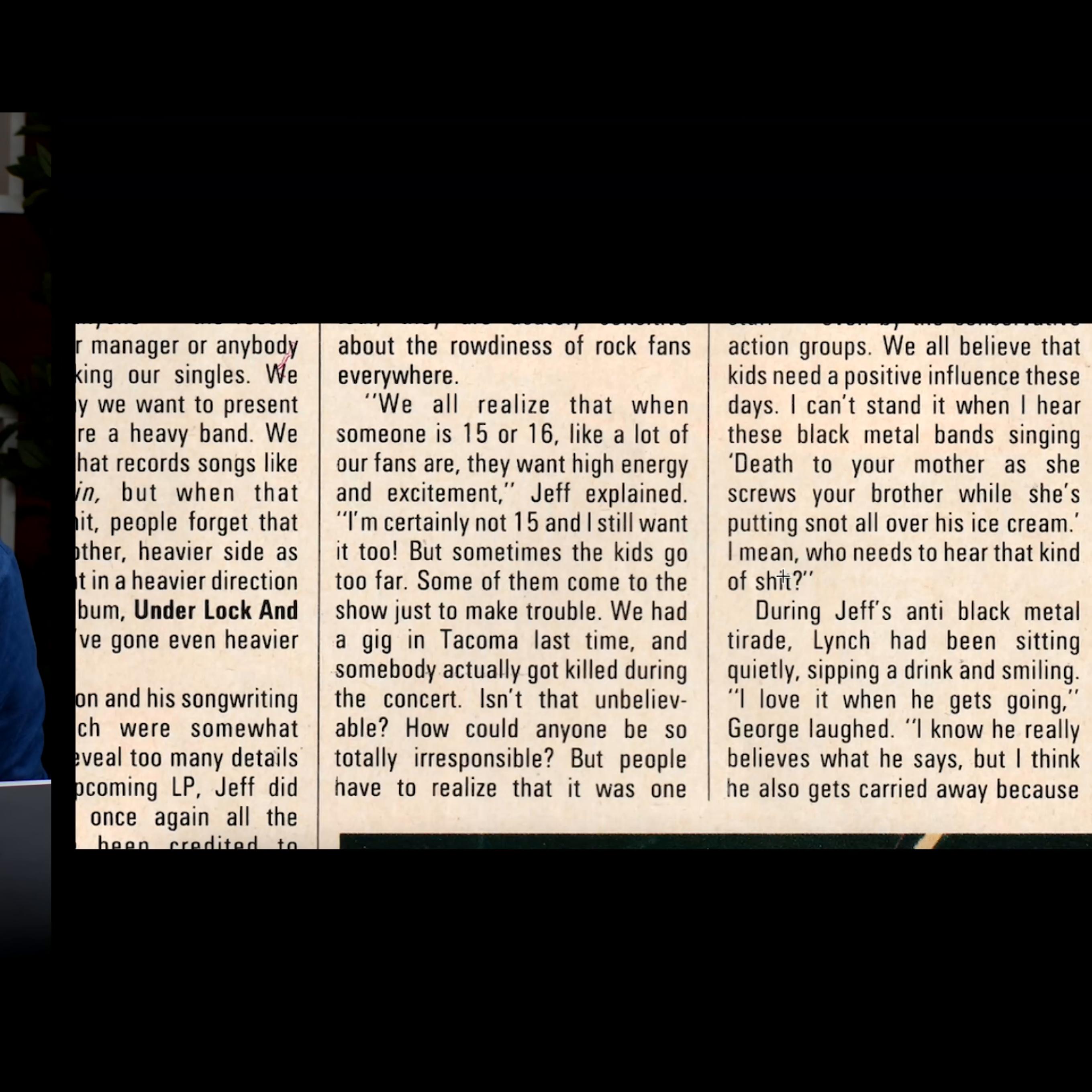
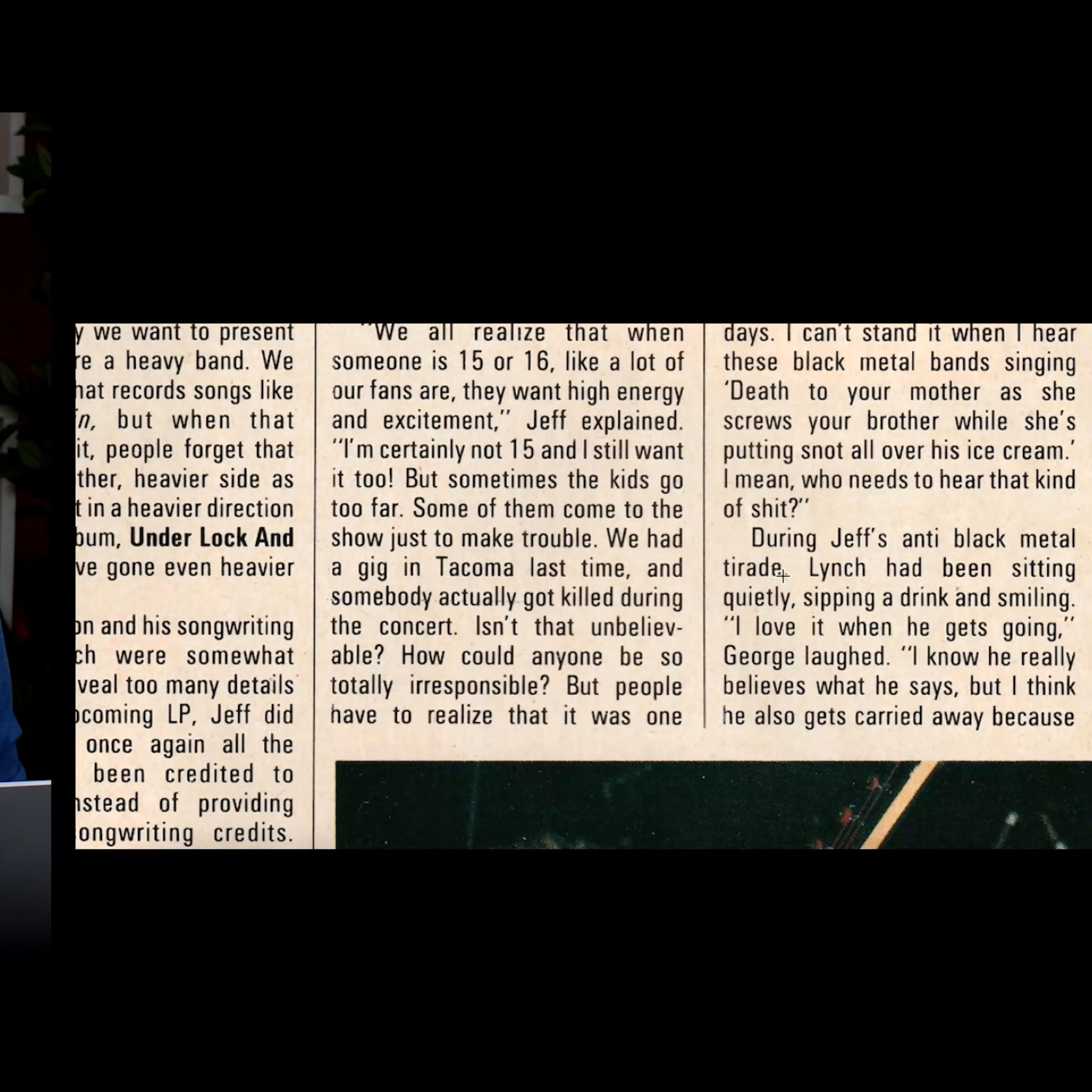
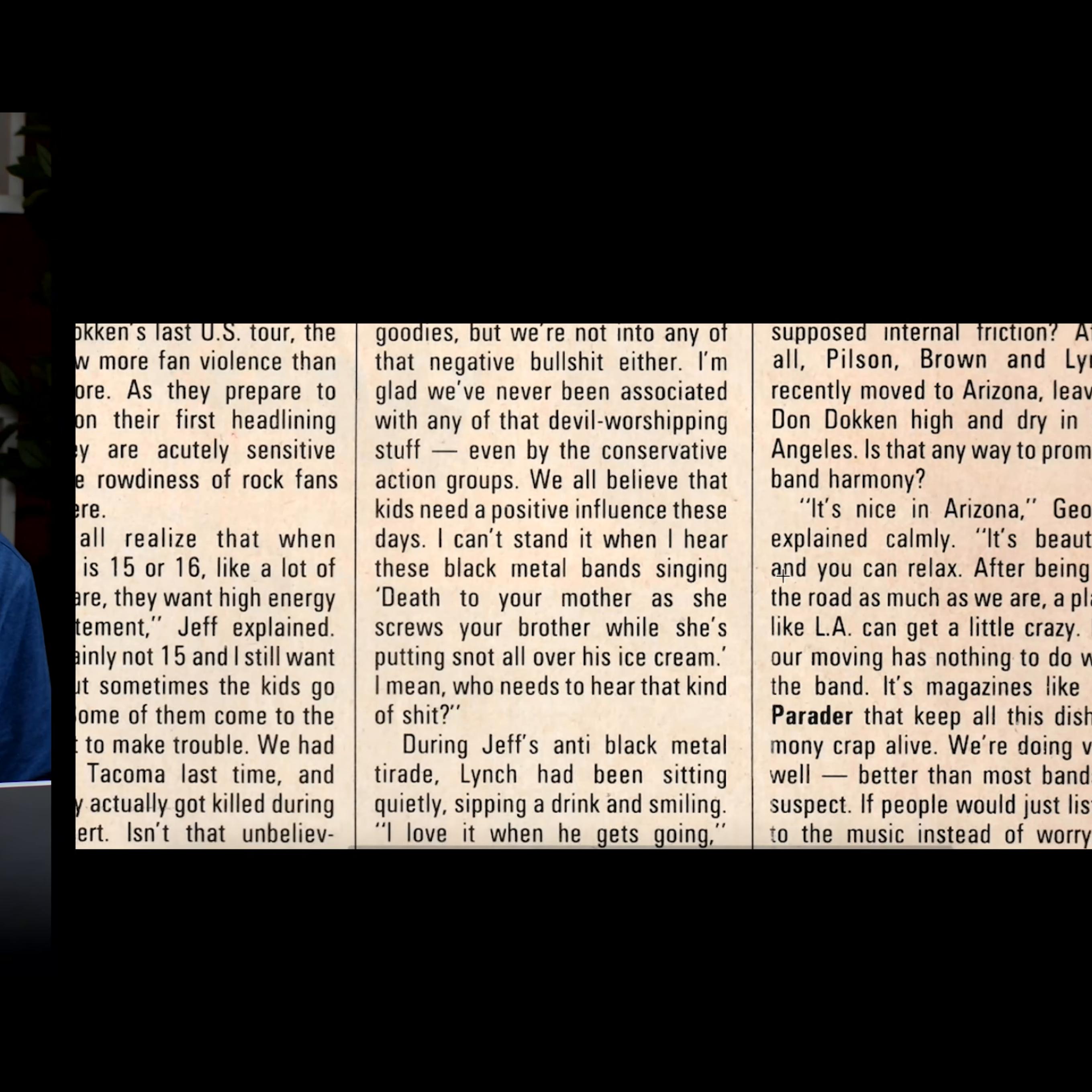
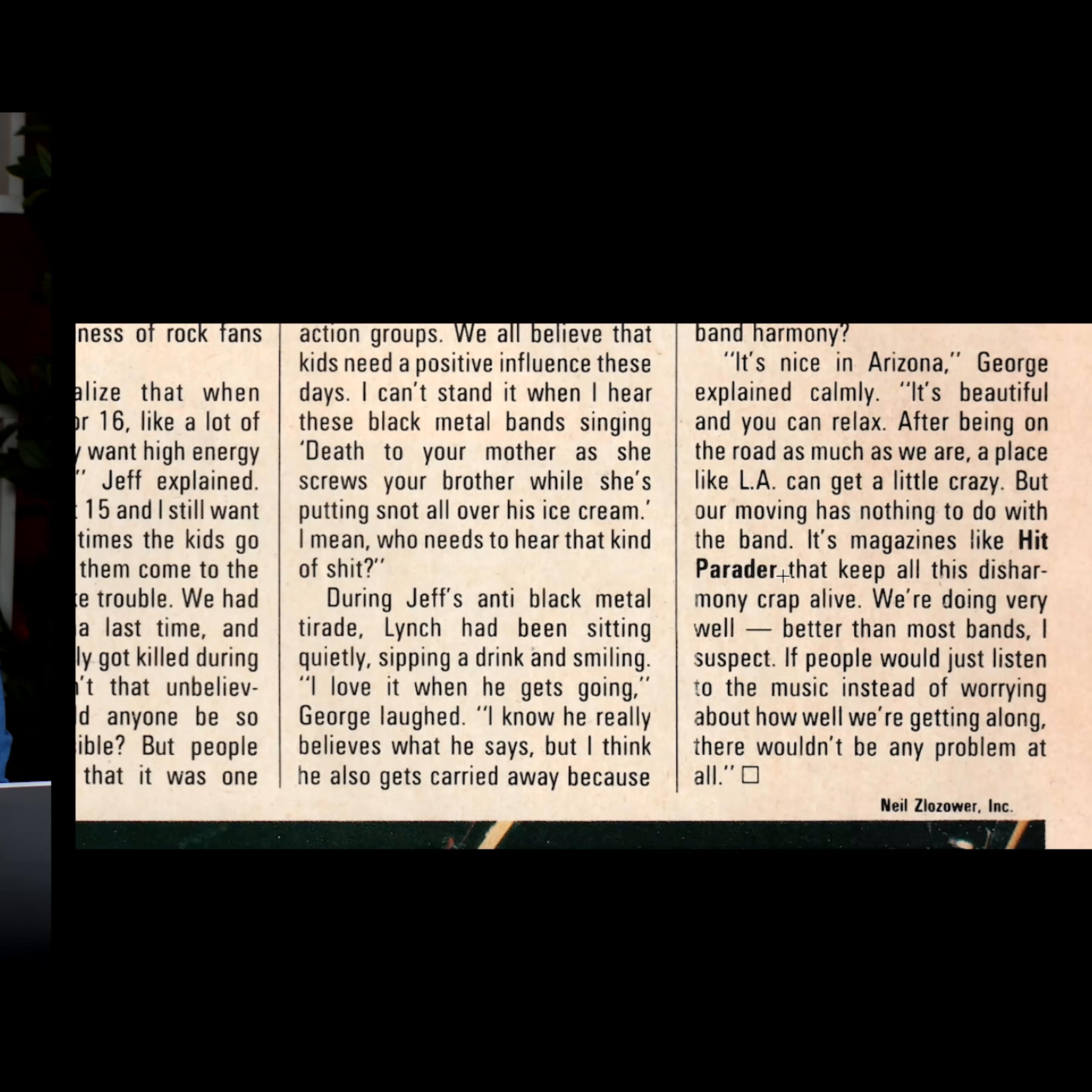
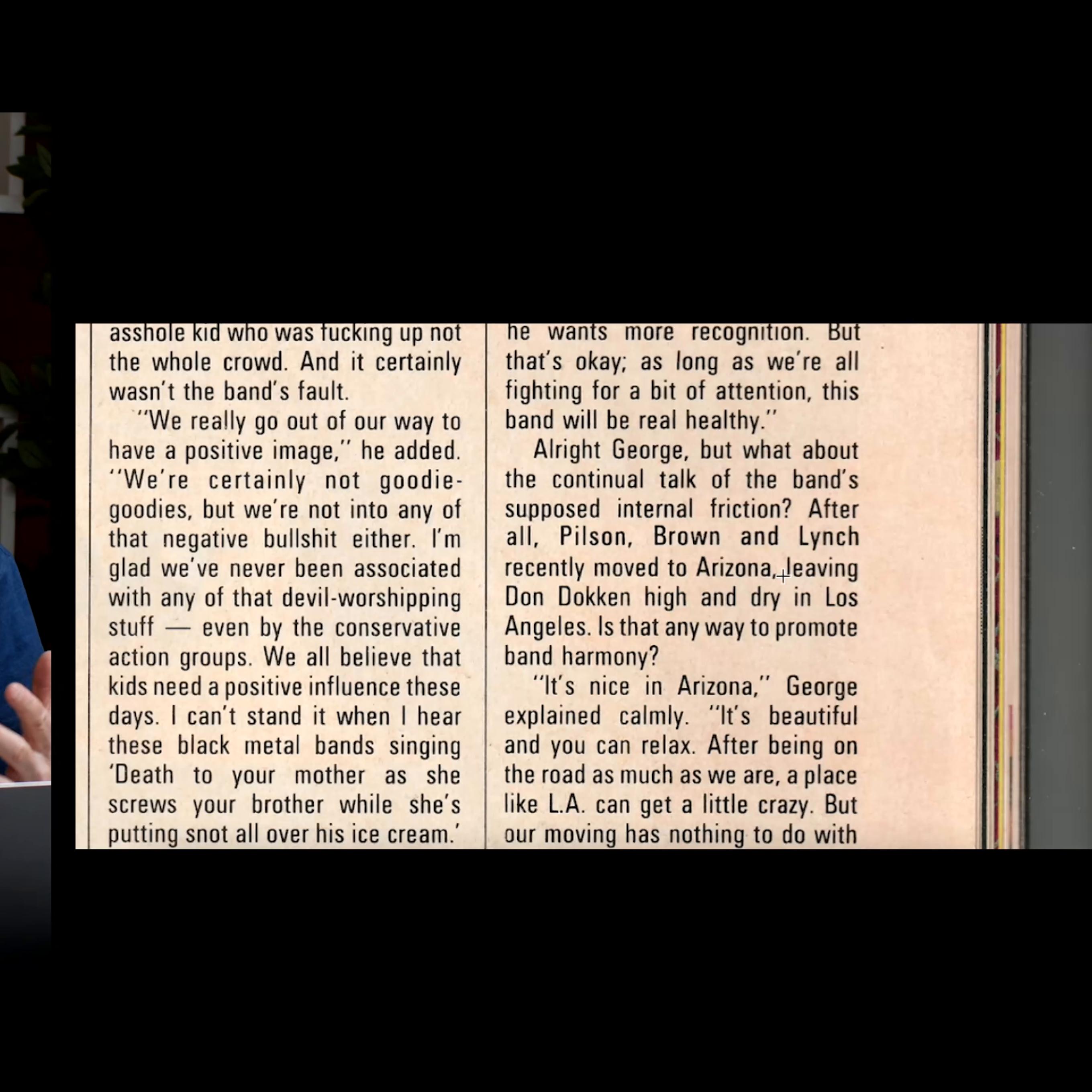
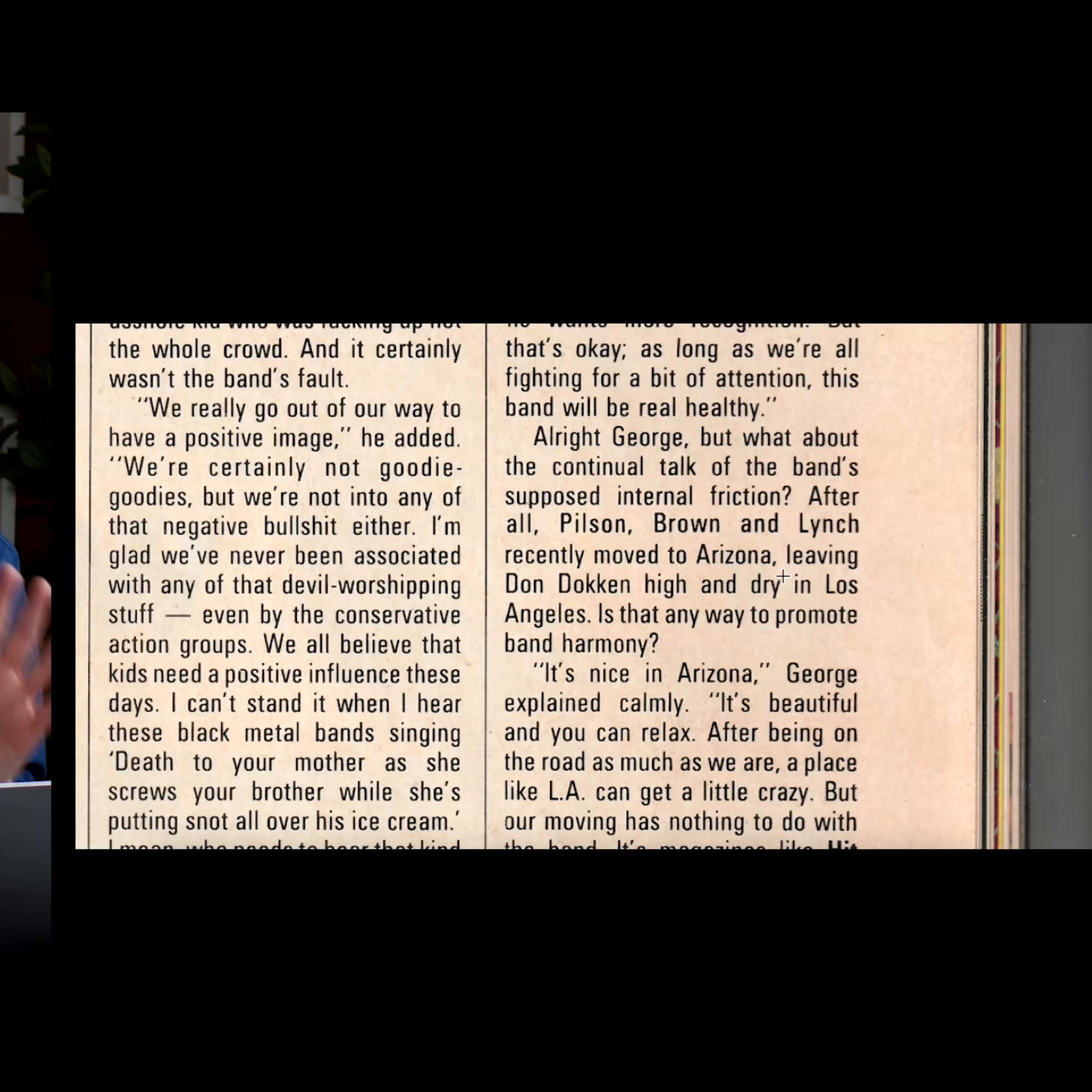
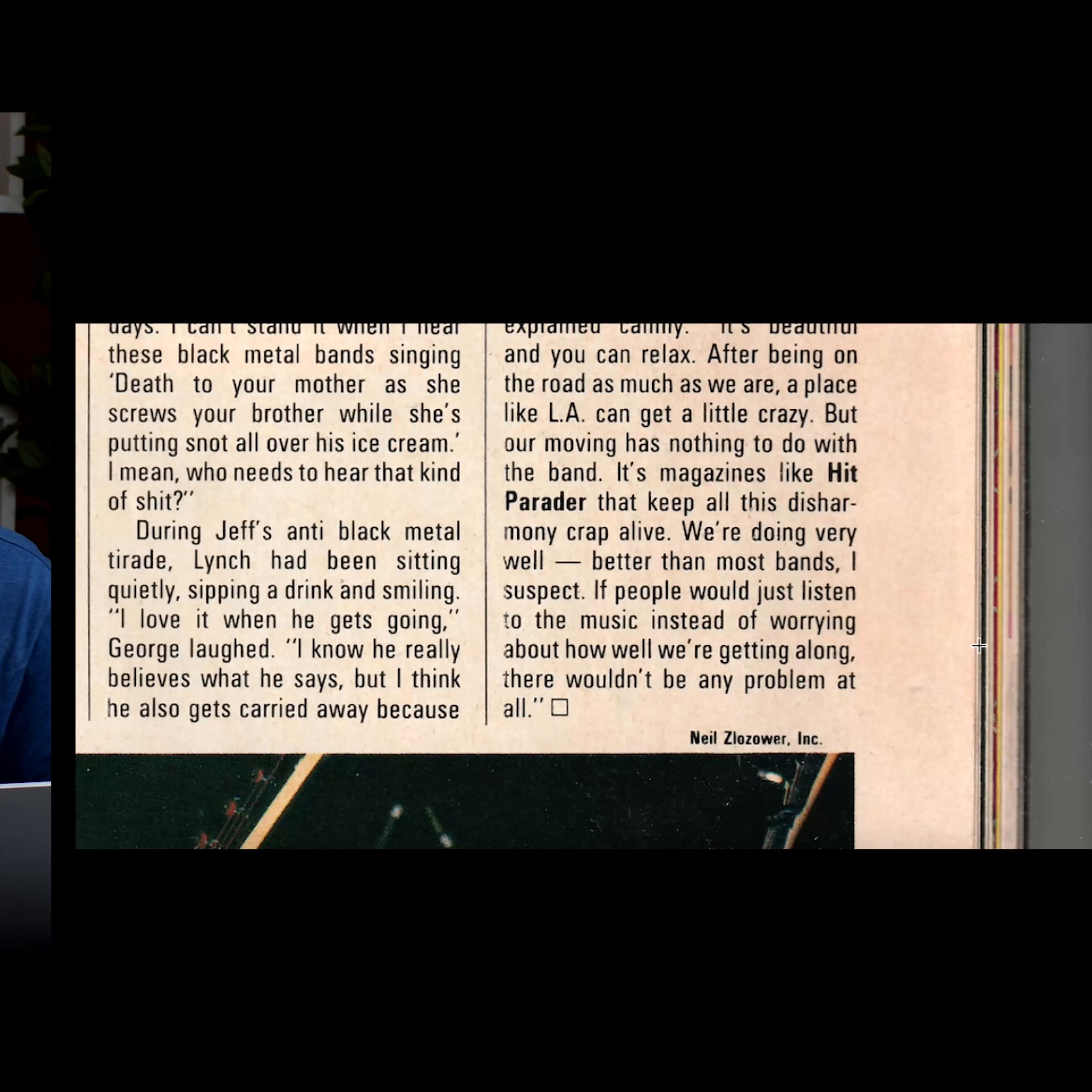
Using a rare 1987 Hit Parader magazine as the foundation, this episode uncovers how songwriting credits, ego, and perception inside the band created unintended consequences—especially between Don Dokken and George Lynch. Along the way, Robert connects the dots between the band’s public statements, the explosion of heavier metal in 1986, the pressure to headline, and even a shocking real-life incident at a live show. This is a deep-dive into the real story behind the music—and the fragile chemistry that nearly tore it apart.
Timestamps:
0:00 – Dokken’s platinum run (1984–1987)
0:20 – The risky decision on Under Lock and Key
0:44 – Rare 1987 Hit Parader article breakdown
1:15 – Digitech sponsor mention
1:17 – “No tension”… or is there?
2:31 – Why the album delay really matters
3:12 – Pressure from heavier bands (Metallica, Slayer, Megadeth)
4:30 – Monsters of Rock & identity crisis
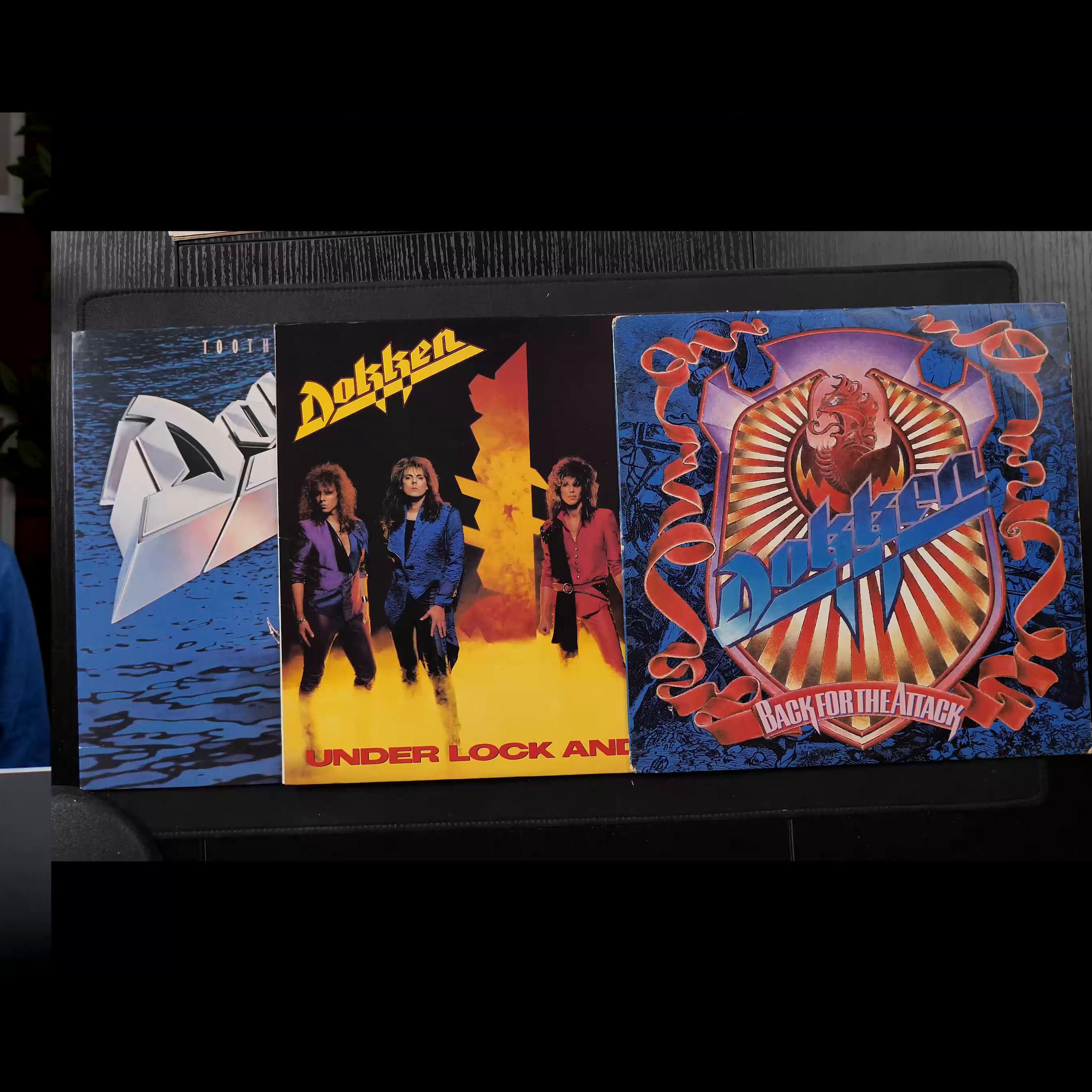
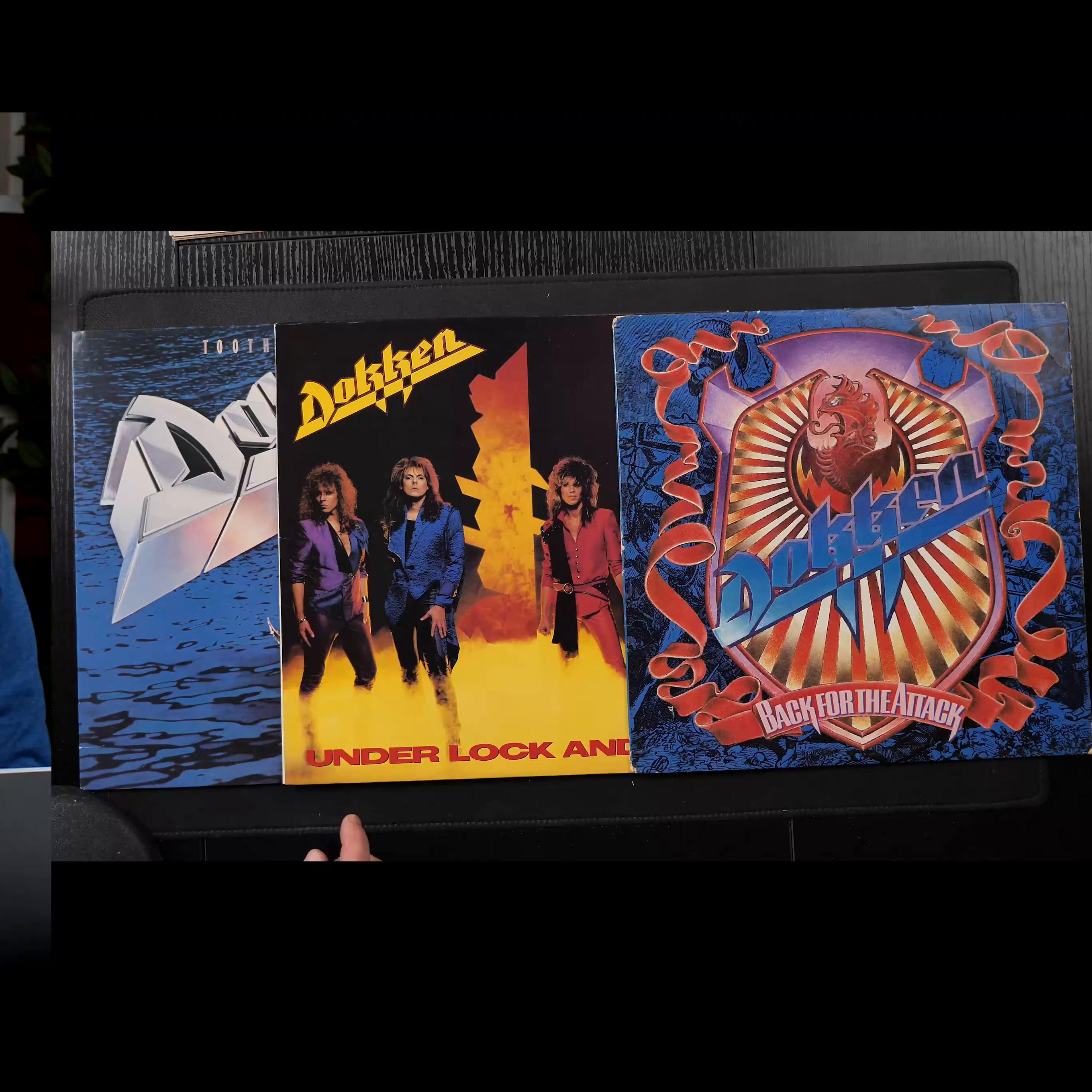
5:20 – The songwriting credit experiment explained
6:34 – Tooth and Nail vs Under Lock and Key credits
7:29 – Did this move backfire?
8:23 – George Lynch’s perspective on credit confusion
9:42 – Why Back for the Attack reversed course
11:07 – “Mr. Scary” and the credit controversy
11:53 – Nightmare on Elm Street track insight
12:21 – The breaking point for songwriting credits
13:26 – Sales success vs internal pressure
14:01 – The push to become headliners
15:21 – Jeff Pilson: the band’s peacekeeper
16:35 – Fan violence and growing concerns
17:30 – Age gap between band and audience
18:49 – The Tacoma concert tragedy
19:31 – Jeff’s views on “negative” metal
20:17 – George Lynch calls out Jeff
21:06 – Ego, attention, and band dynamics
21:28 – The Arizona move controversy
22:19 – Denying the tension (while proving it exists)
23:26 – Van Halen comparison & Ted Templeman insight
24:35 – Did the strategy make things worse?
Hashtags:
#Dokken #GeorgeLynch #DonDokken #80sMetal #HairMetal #HitParader #MetalHistory #Audiomover #ClassicRock #RockHistory
Using a rare 1987 Hit Parader magazine as the foundation, this episode uncovers how songwriting credits, ego, and perception inside the band created unintended consequences—especially between Don Dokken and George Lynch. Along the way, Robert connects the dots between the band’s public statements, the explosion of heavier metal in 1986, the pressure to headline, and even a shocking real-life incident at a live show. This is a deep-dive into the real story behind the music—and the fragile chemistry that nearly tore it apart.
Timestamps:
0:00 – Dokken’s platinum run (1984–1987)
0:20 – The risky decision on Under Lock and Key
0:44 – Rare 1987 Hit Parader article breakdown
1:15 – Digitech sponsor mention
1:17 – “No tension”… or is there?
2:31 – Why the album delay really matters
3:12 – Pressure from heavier bands (Metallica, Slayer, Megadeth)
4:30 – Monsters of Rock & identity crisis
5:20 – The songwriting credit experiment explained
6:34 – Tooth and Nail vs Under Lock and Key credits
7:29 – Did this move backfire?
8:23 – George Lynch’s perspective on credit confusion
9:42 – Why Back for the Attack reversed course
11:07 – “Mr. Scary” and the credit controversy
11:53 – Nightmare on Elm Street track insight
12:21 – The breaking point for songwriting credits
13:26 – Sales success vs internal pressure
14:01 – The push to become headliners
15:21 – Jeff Pilson: the band’s peacekeeper
16:35 – Fan violence and growing concerns
17:30 – Age gap between band and audience
18:49 – The Tacoma concert tragedy
19:31 – Jeff’s views on “negative” metal
20:17 – George Lynch calls out Jeff
21:06 – Ego, attention, and band dynamics
21:28 – The Arizona move controversy
22:19 – Denying the tension (while proving it exists)
23:26 – Van Halen comparison & Ted Templeman insight
24:35 – Did the strategy make things worse?
Hashtags:
#Dokken #GeorgeLynch #DonDokken #80sMetal #HairMetal #HitParader #MetalHistory #Audiomover #ClassicRock #RockHistory
Chapters
00:00
Dokken’s platinum run (1984–1987)
00:20
The risky decision on Under Lock and Key
00:44
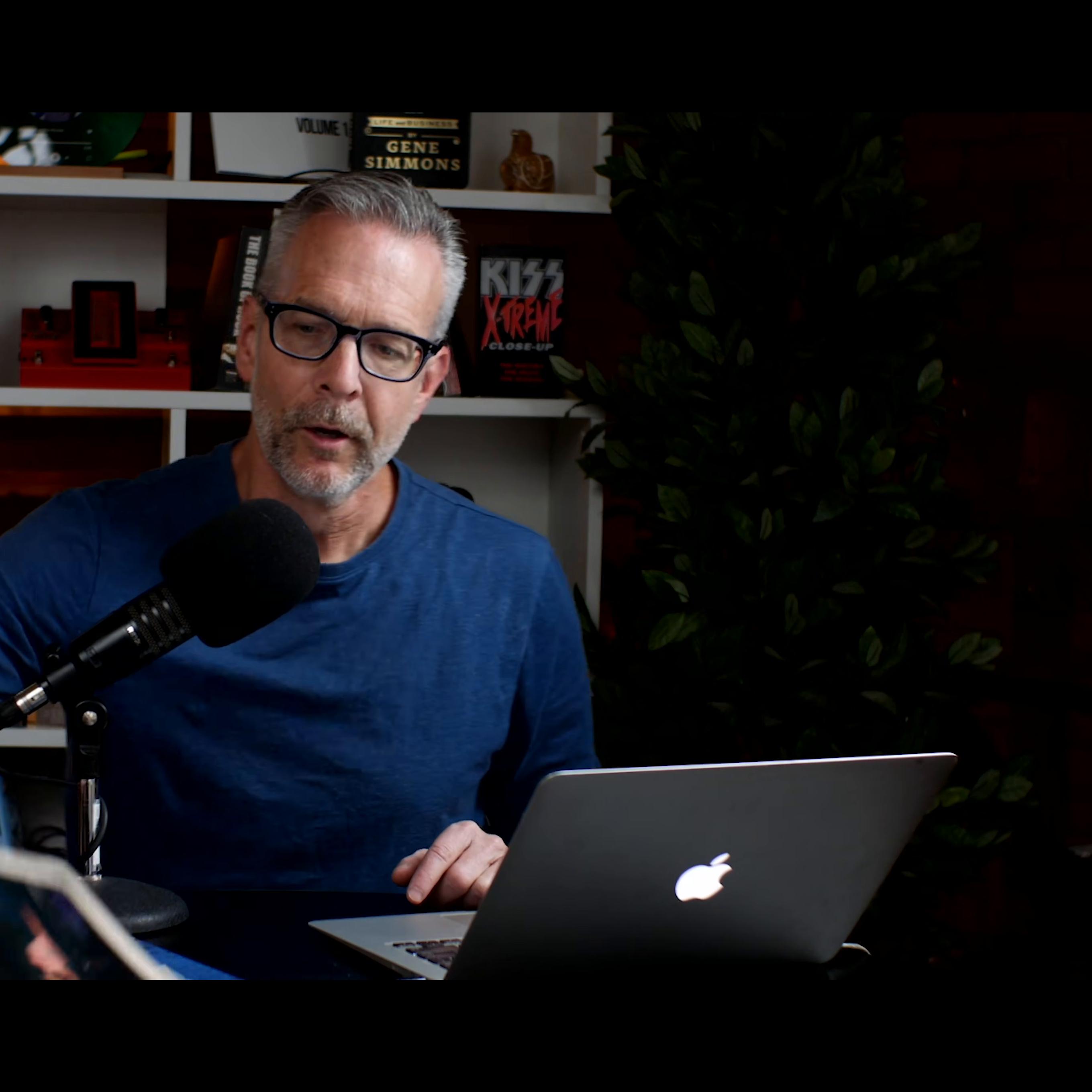
Rare 1987 Hit Parader article breakdown

01:15
Digitech sponsor mention
01:17
“No tension”… or is there?
02:31
Why the album delay really matters
03:12
Pressure from heavier bands (Metallica, Slayer, Megadeth)
04:30
Monsters of Rock & identity crisis
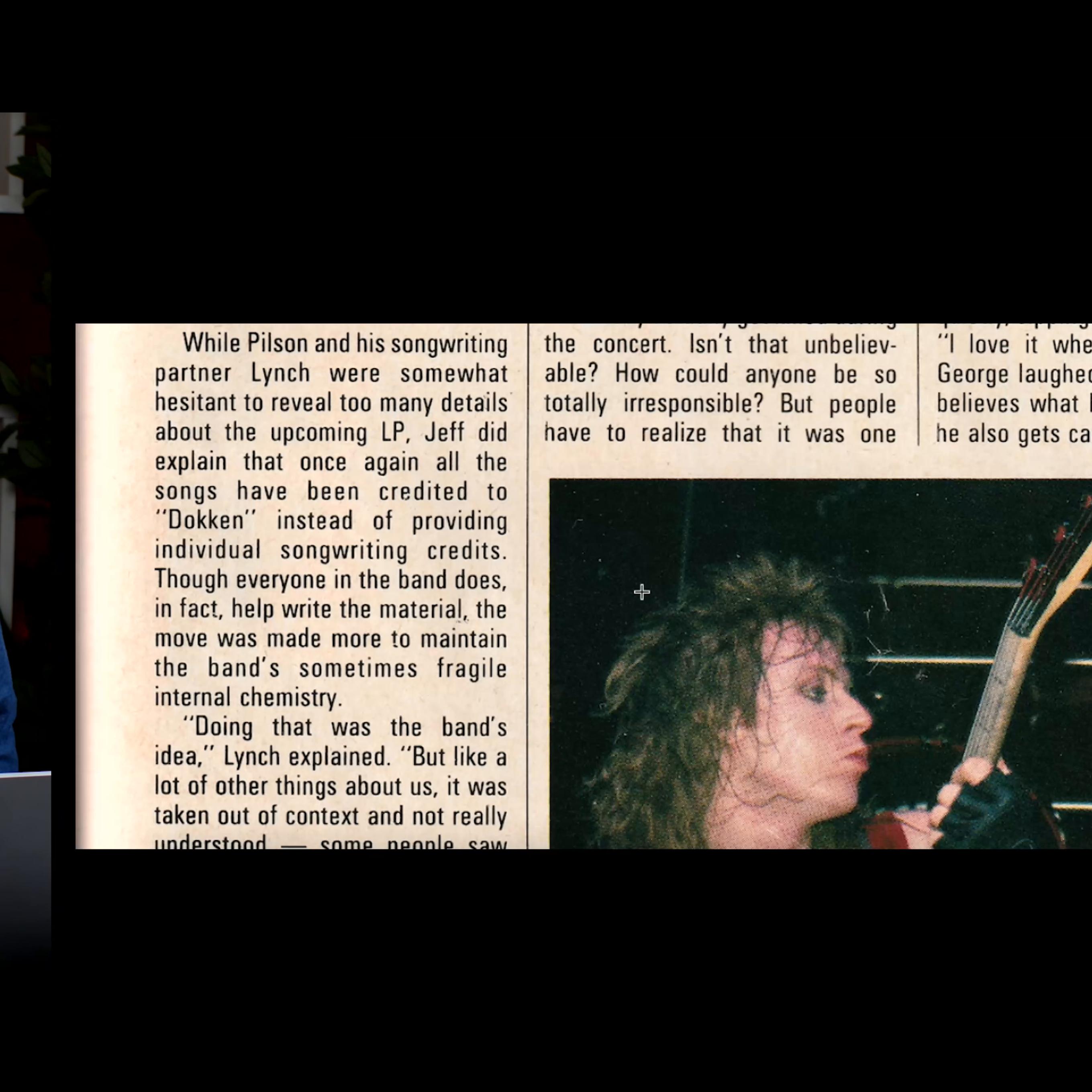
05:20
The songwriting credit experiment explained
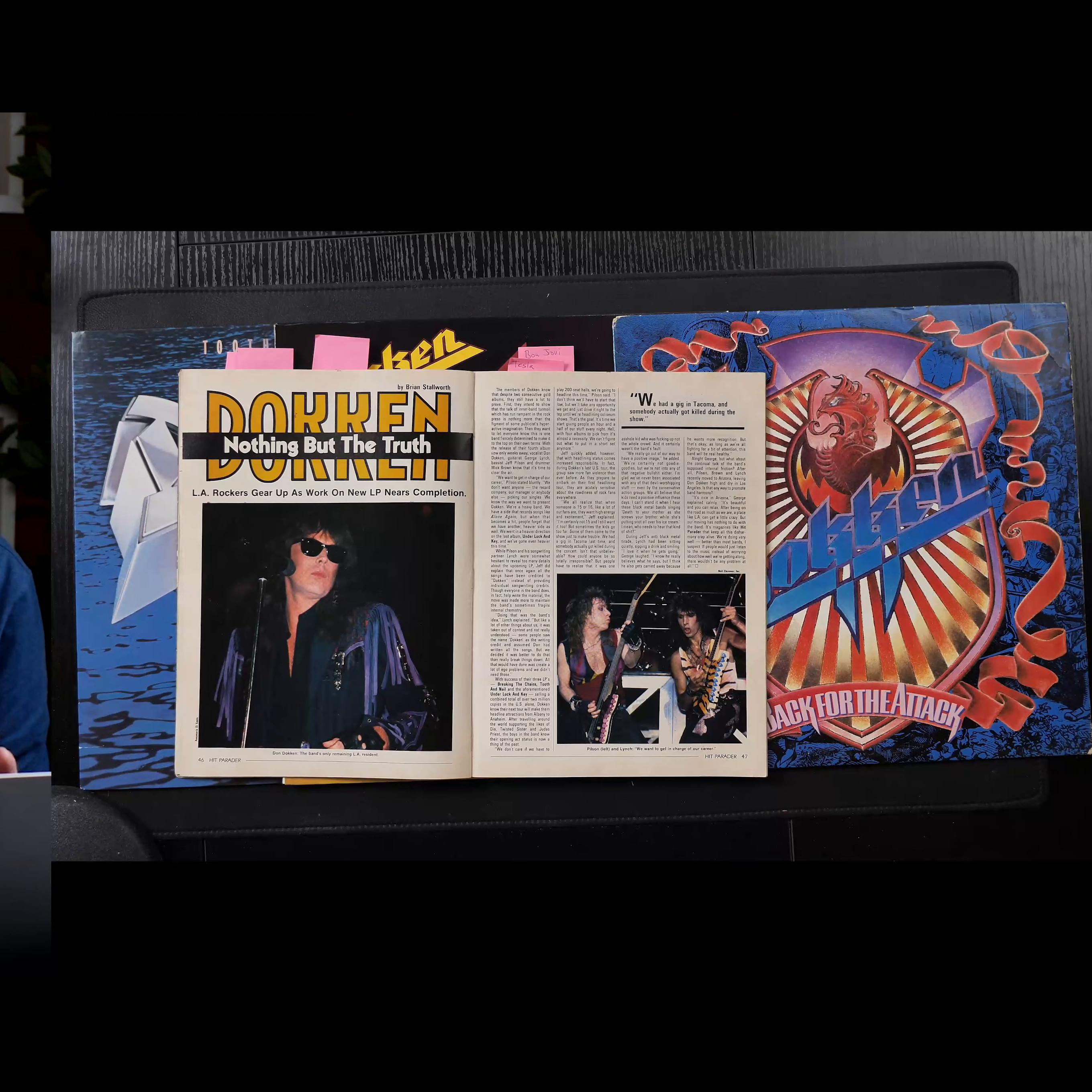
06:34
Tooth and Nail vs Under Lock and Key credits
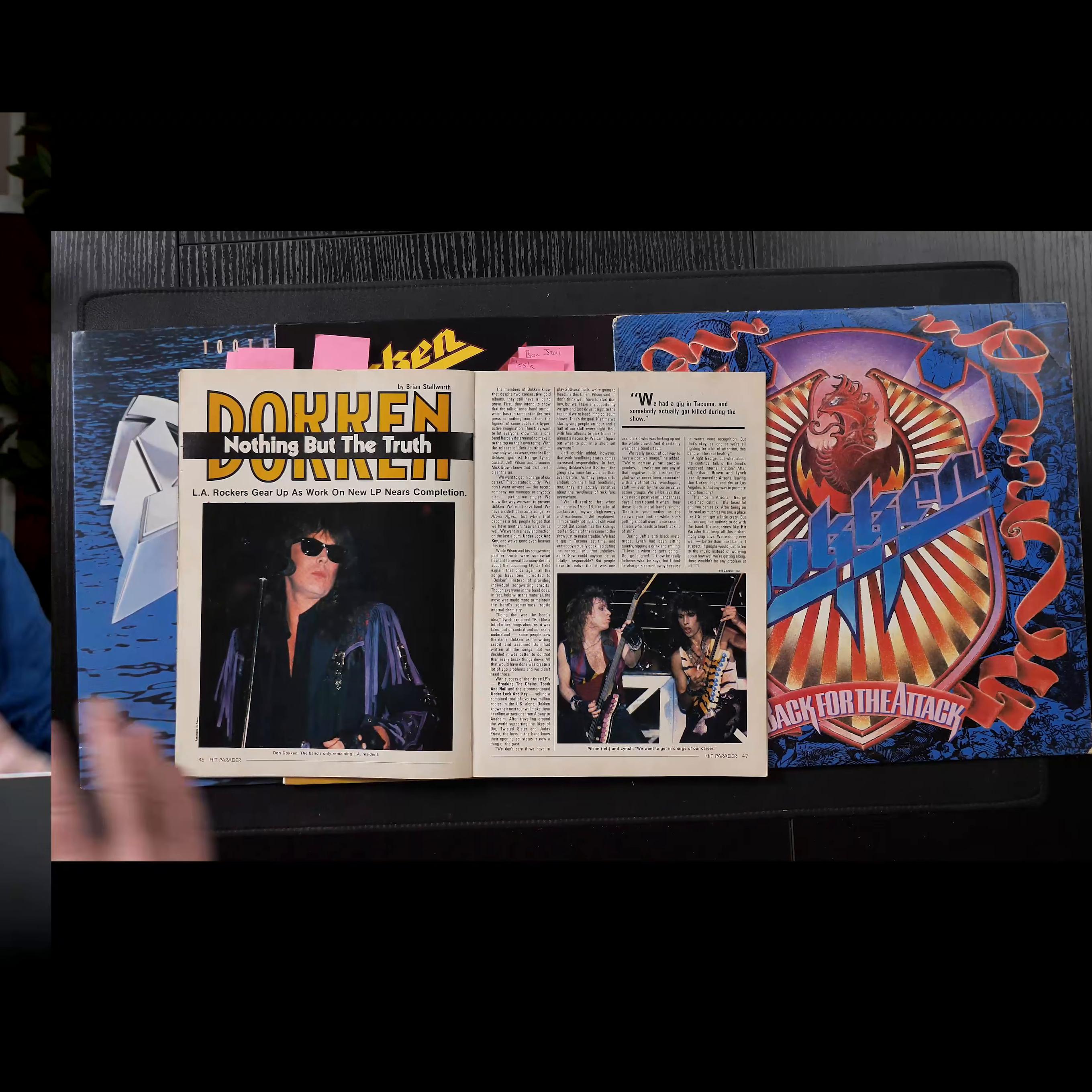
07:29
Did this move backfire?
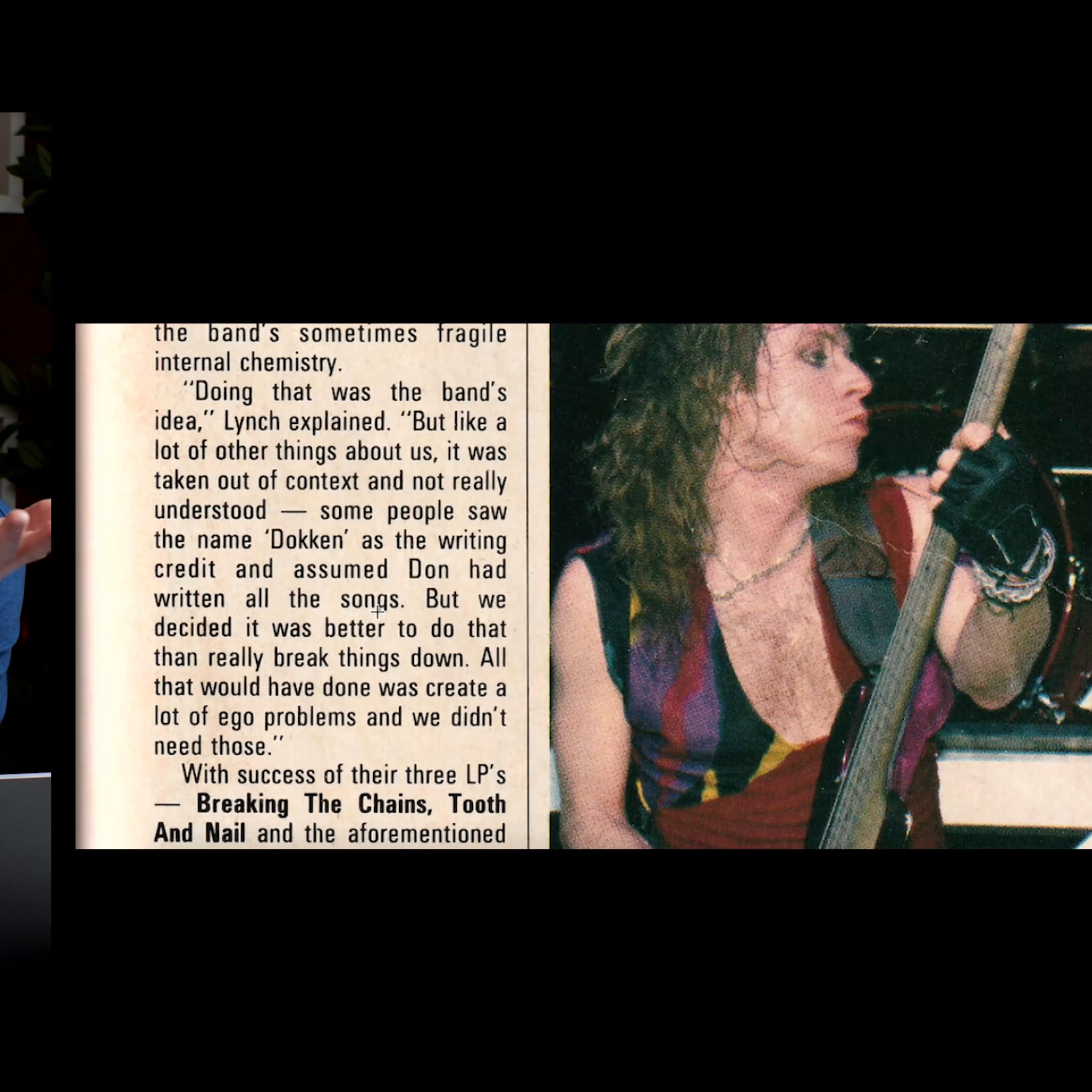
08:23
George Lynch’s perspective on credit confusion
09:42
Why Back for the Attack reversed course
11:07
“Mr. Scary” and the credit controversy
11:53
Nightmare on Elm Street track insight
12:21
The breaking point for songwriting credits
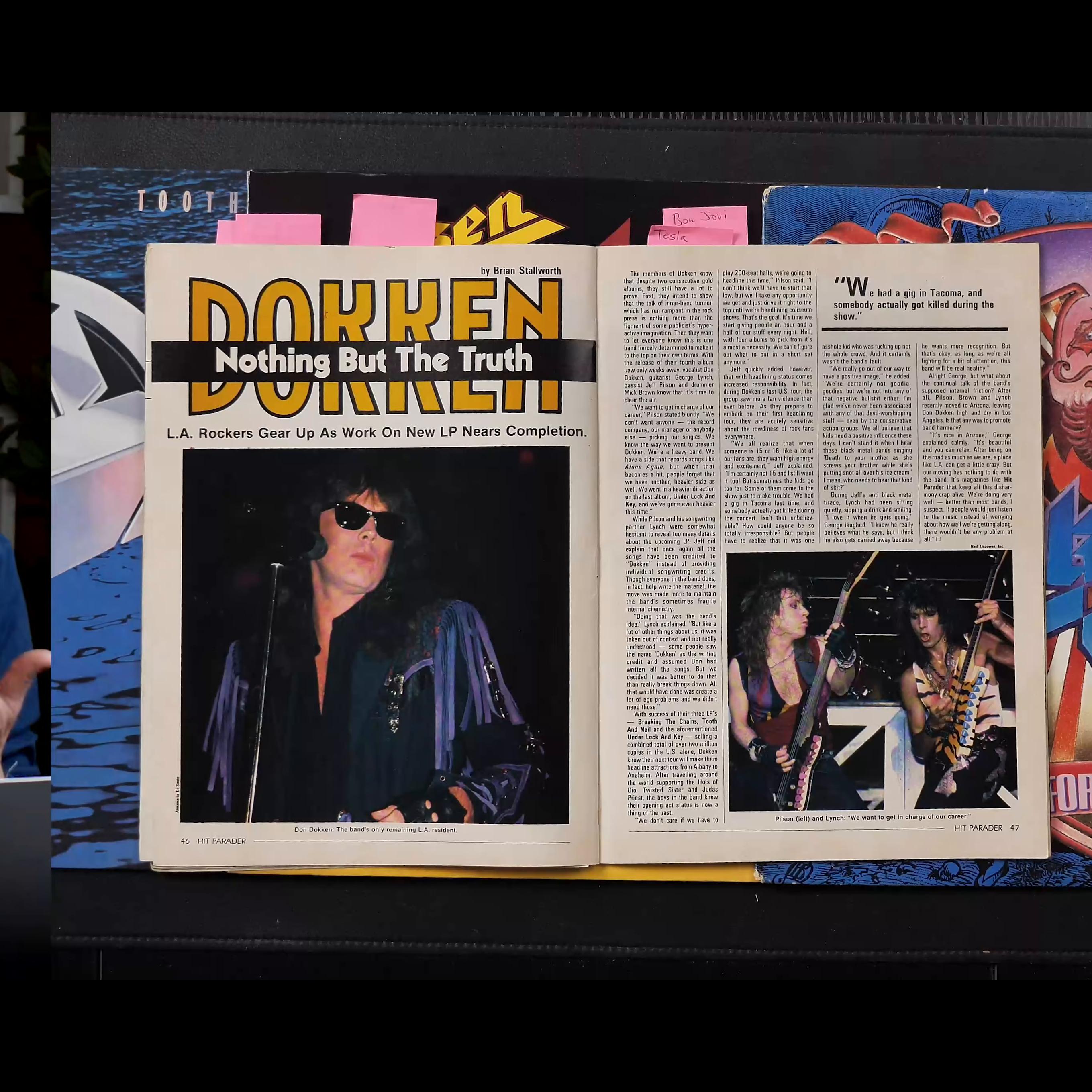
13:26
Sales success vs internal pressure
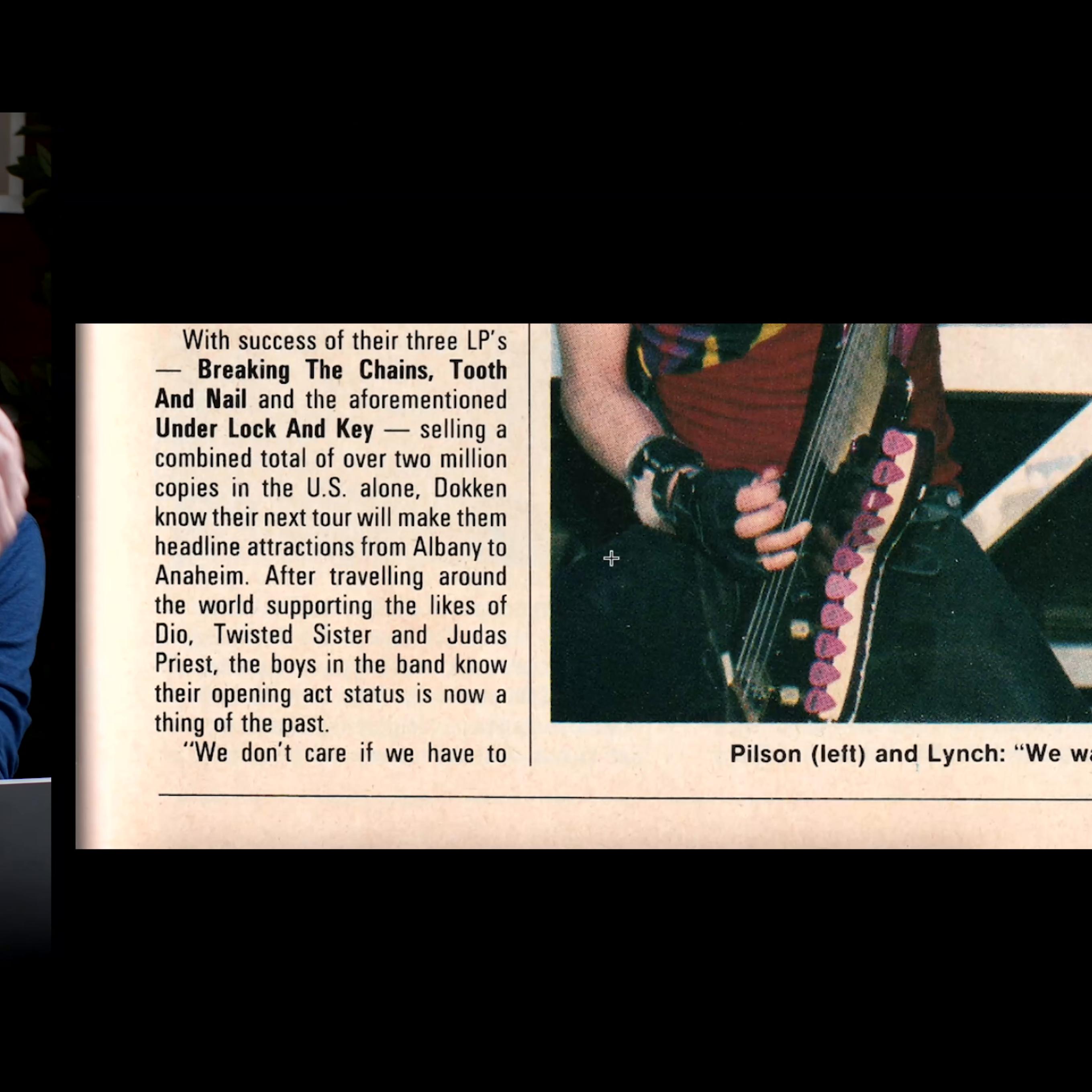
14:01
The push to become headliners
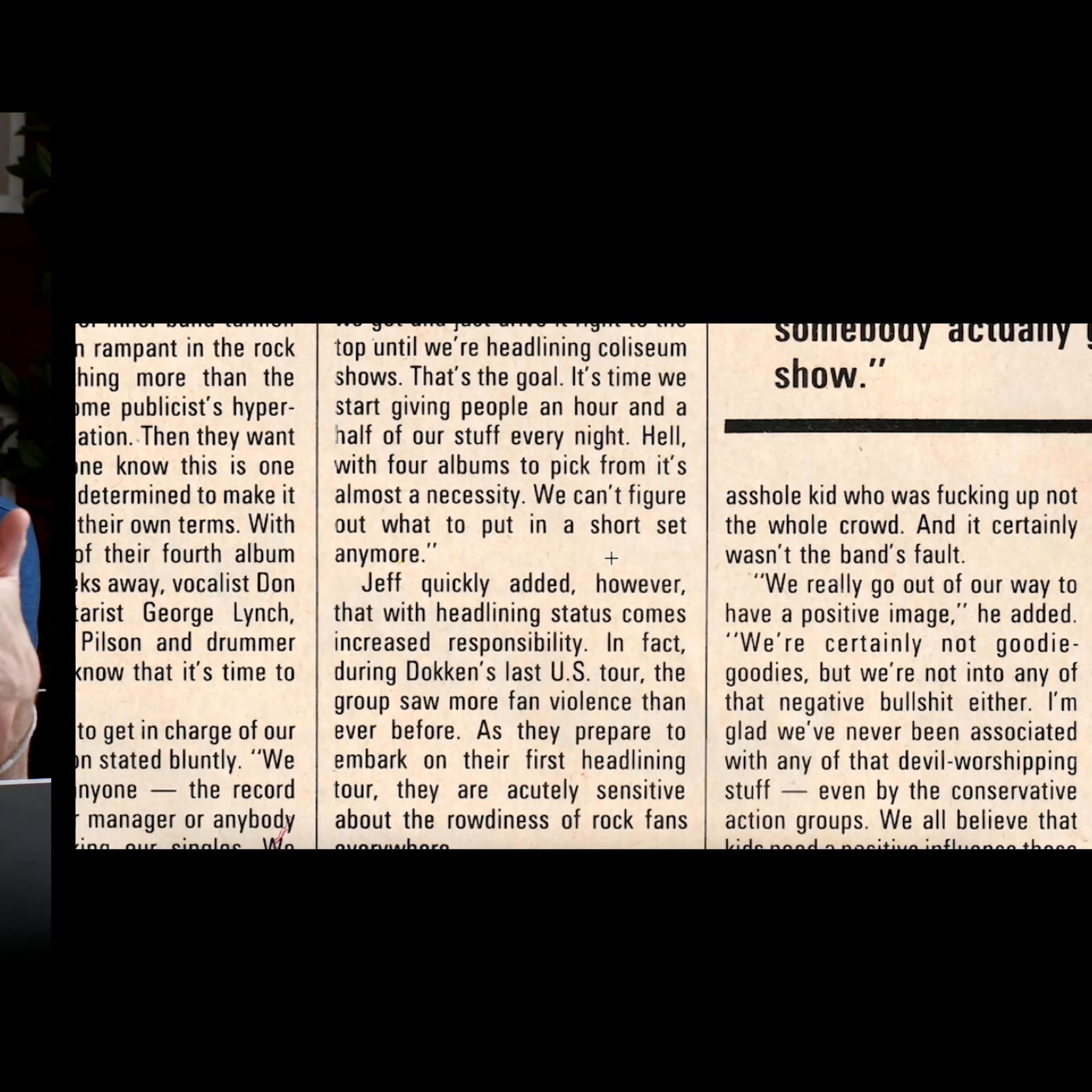
15:21
Jeff Pilson: the band’s peacekeeper
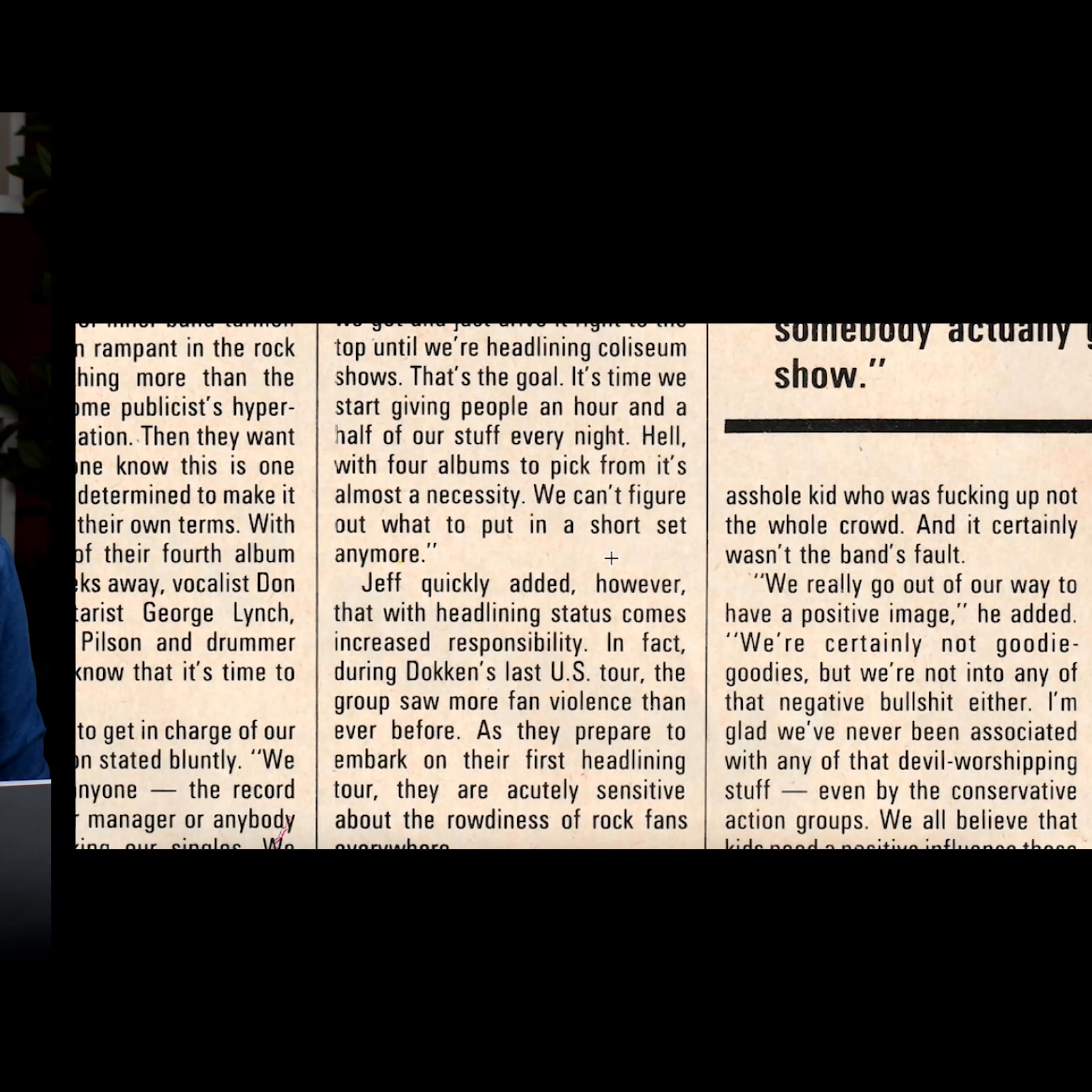
16:35
Fan violence and growing concerns
17:30
Age gap between band and audience
18:49
The Tacoma concert tragedy
19:31
Jeff’s views on “negative” metal
20:17
George Lynch calls out Jeff
21:06
Ego, attention, and band dynamics
21:28
The Arizona move controversy
22:19
Denying the tension (while proving it exists)
23:26
Van Halen comparison & Ted Templeman insight
24:35
Did the strategy make things worse?
