 Episode #486
May 11, 2026
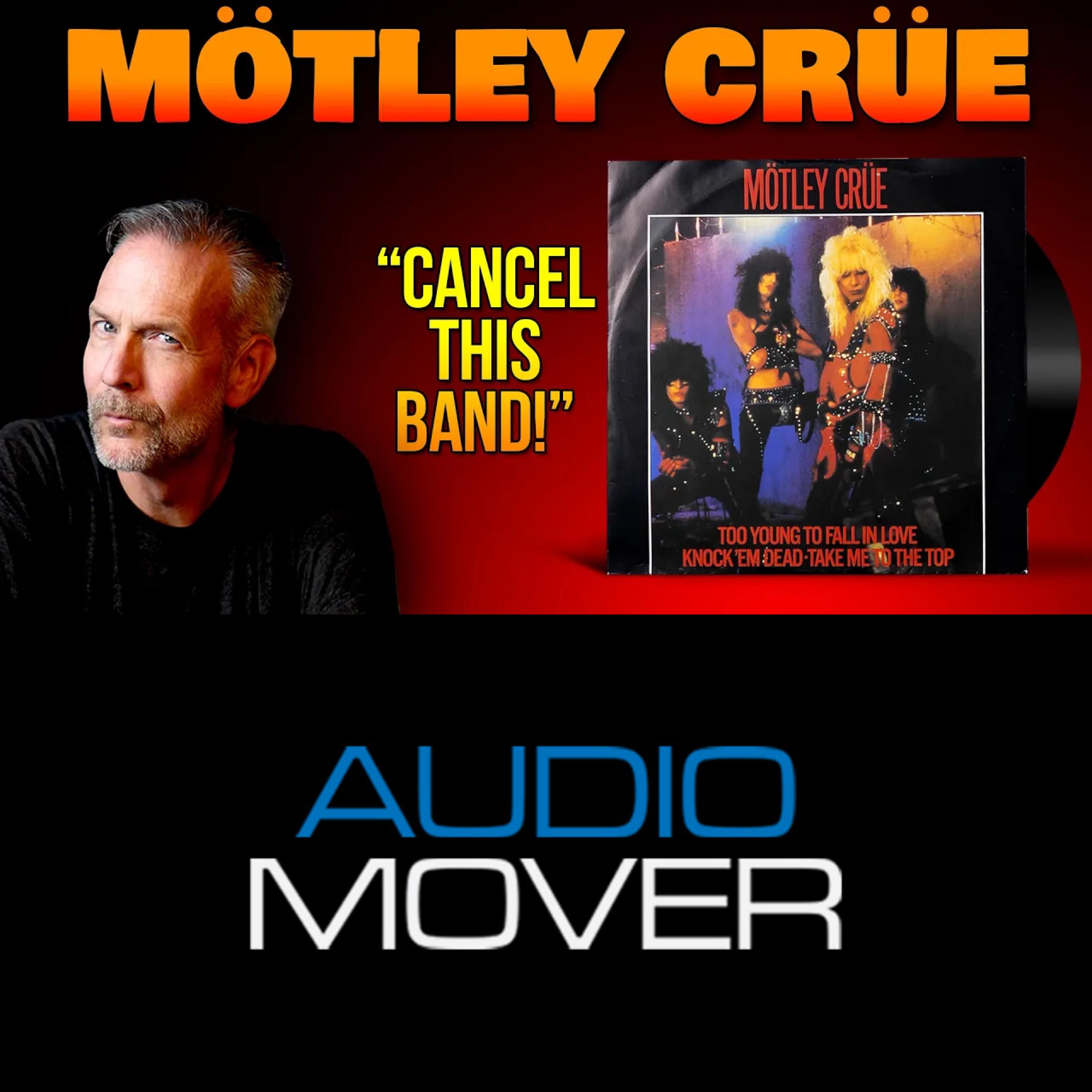
Motley Crue - SHOUT Was Almost Canceled - Behind the Scenes
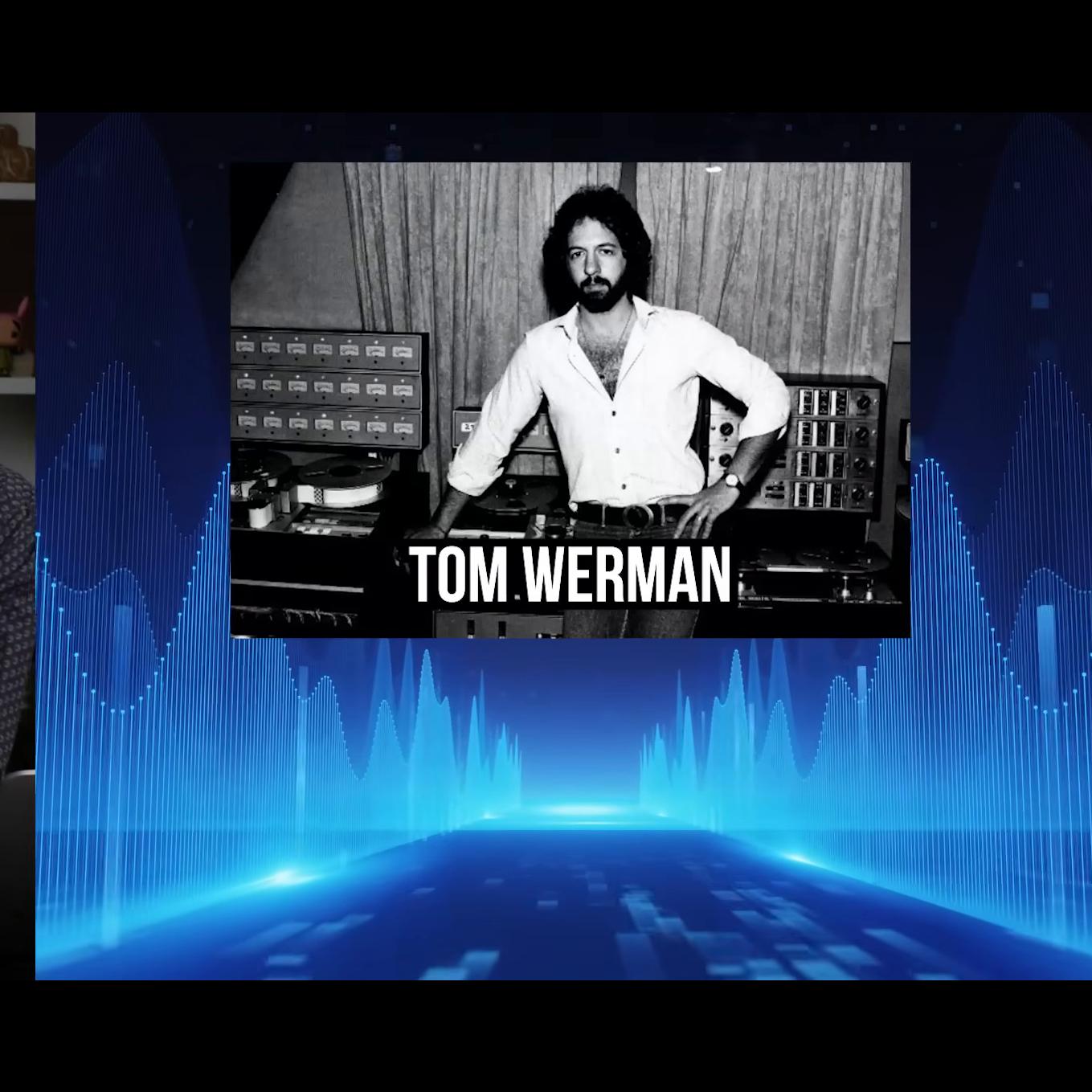
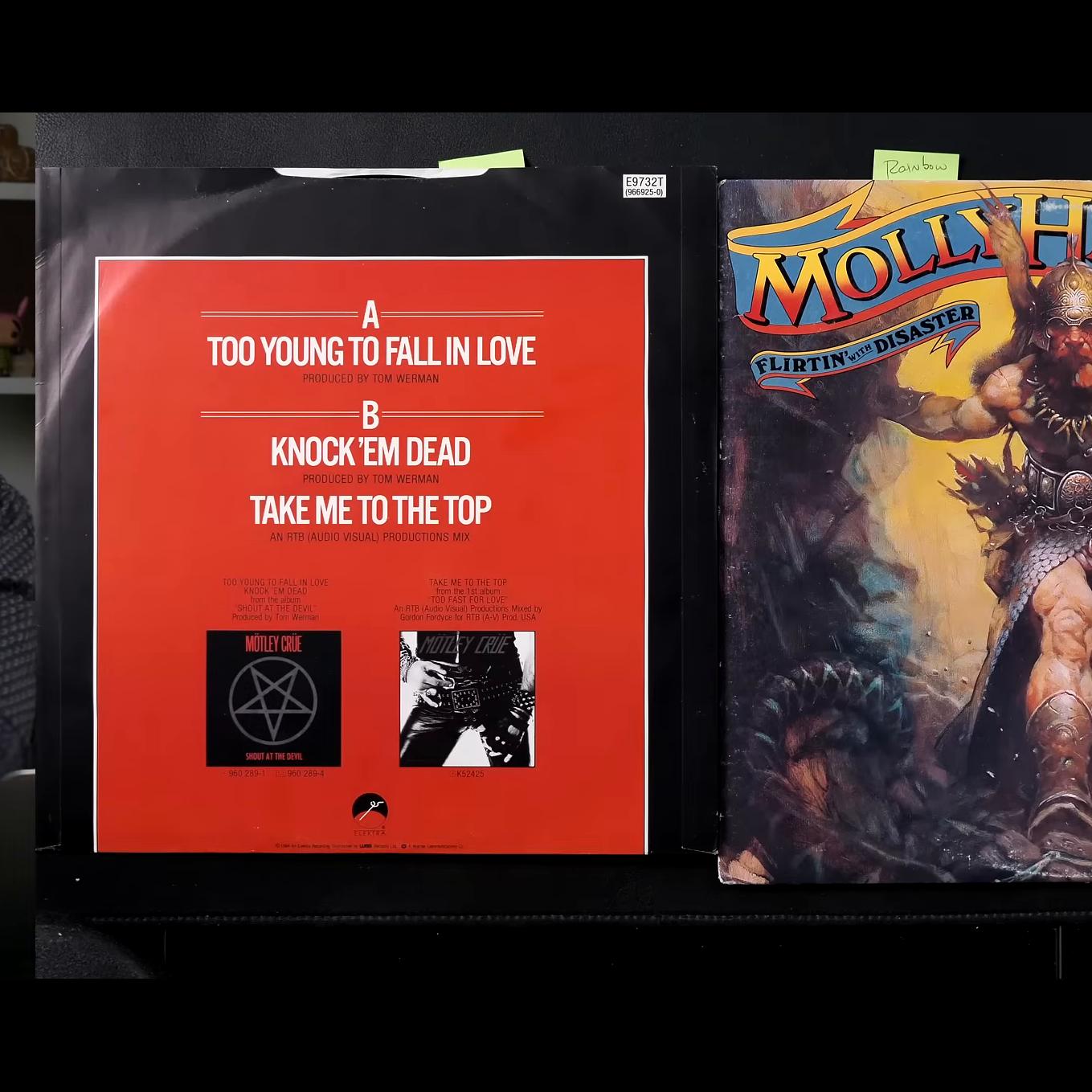
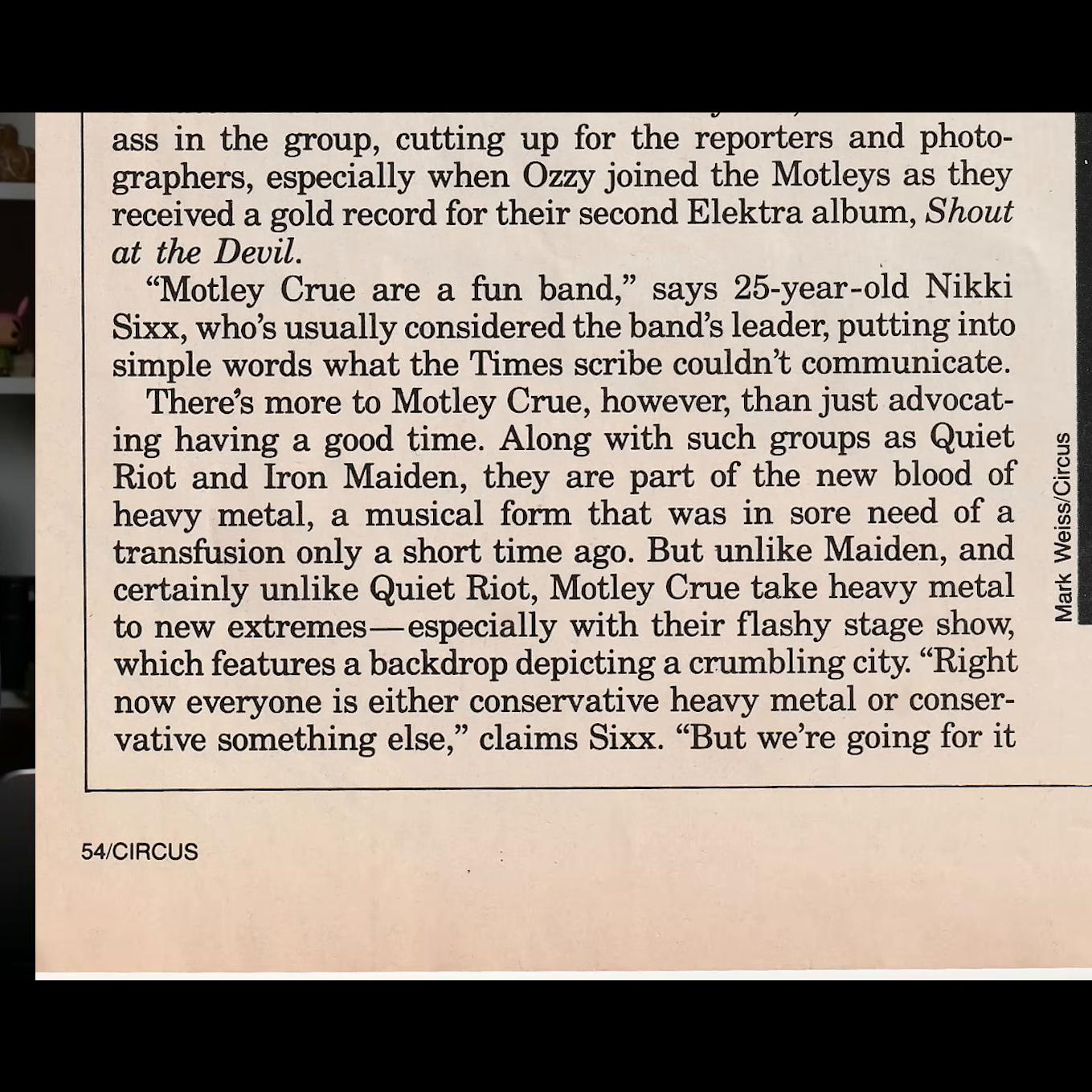
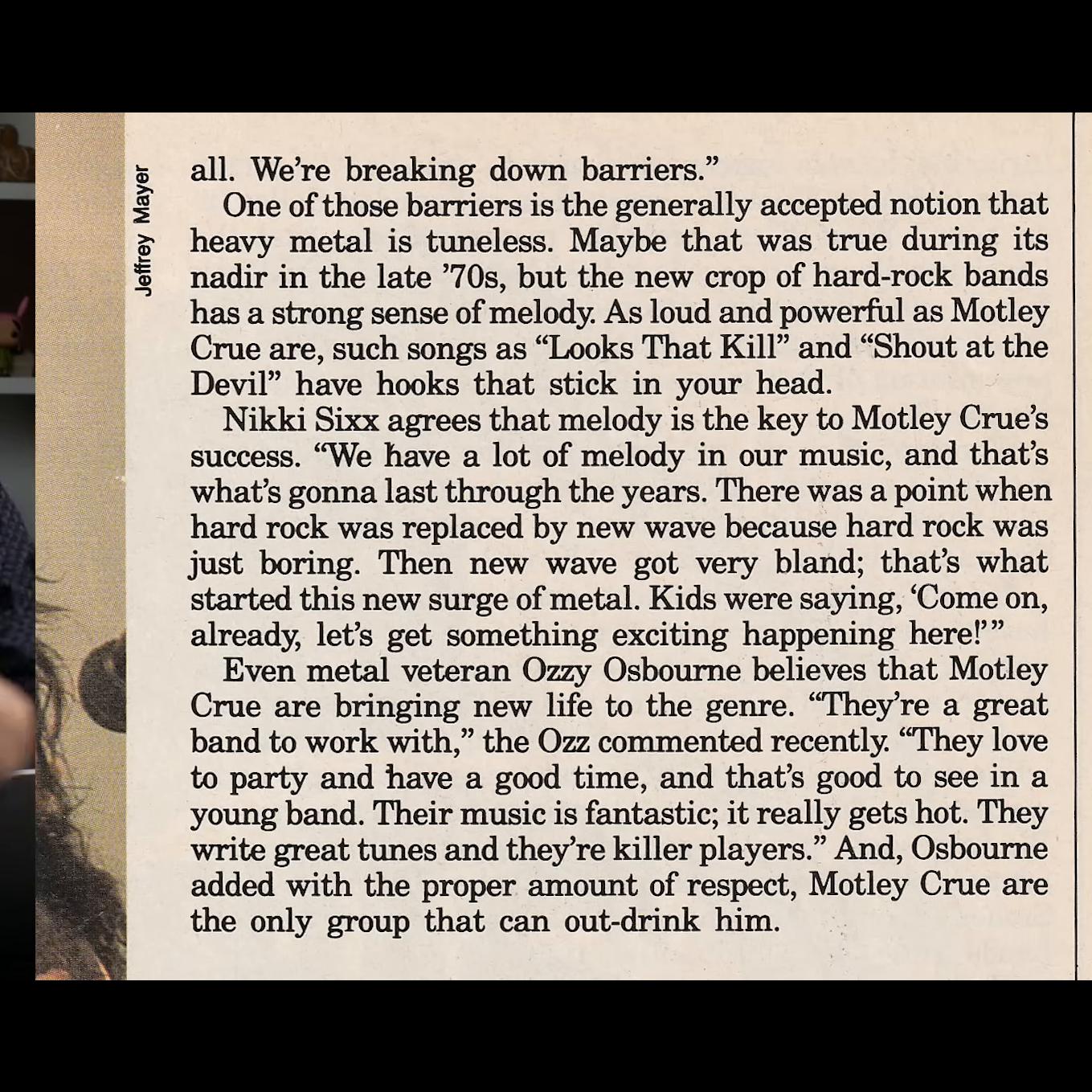
Robert John Hadfield dives into the fascinating cultural explosion surrounding Mötley Crüe and their landmark album Shout at the Devil, using a rare 1984 Circus magazine article to explore why the band became one of the most polarizing and influential acts of the decade. Along the way, Robert unpacks the role of legendary producer Tom Werman, the early resistance from record executives and critics, and the surprising melodic foundation hidden beneath the chaos, makeup, leather, and controversy of early ‘80s heavy metal.
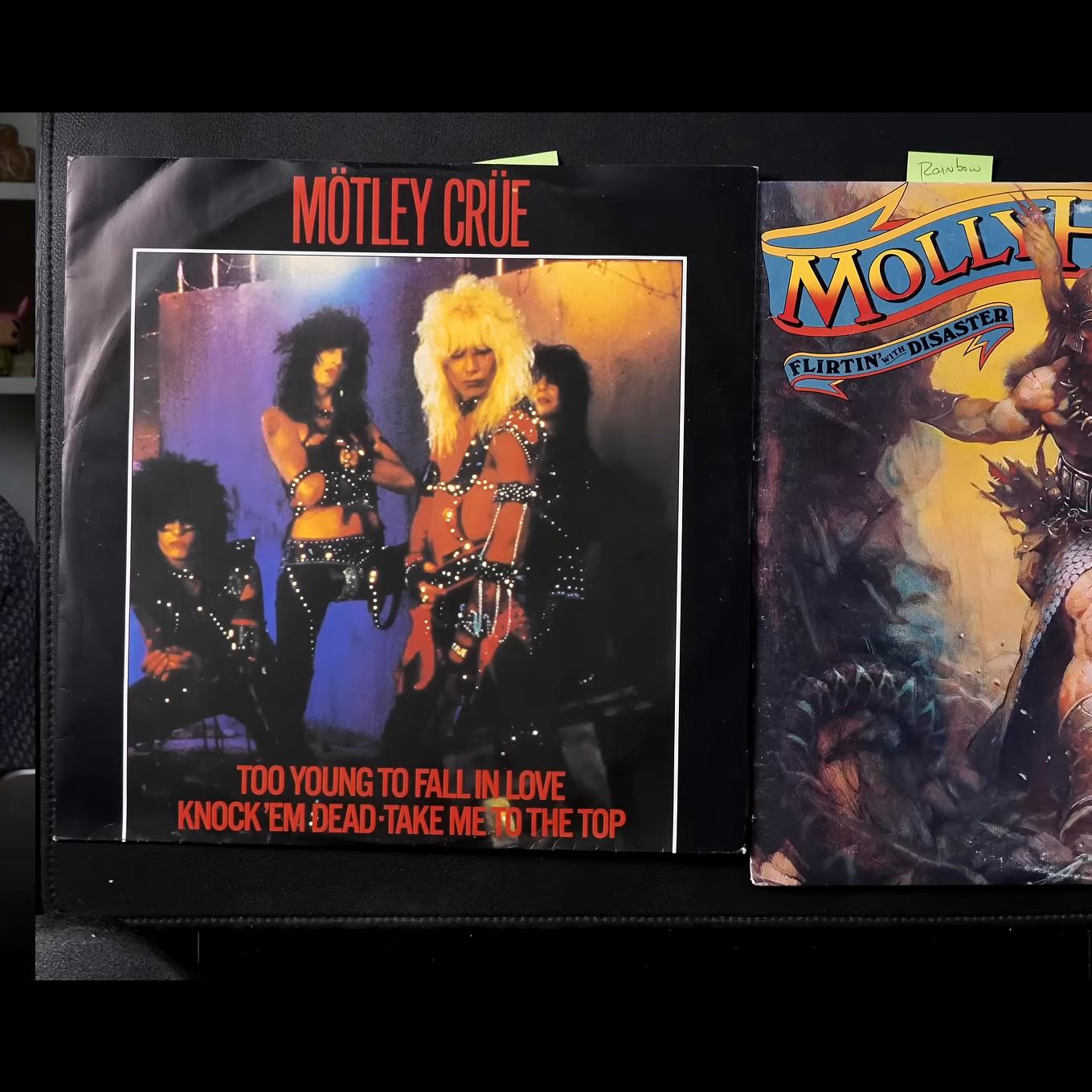
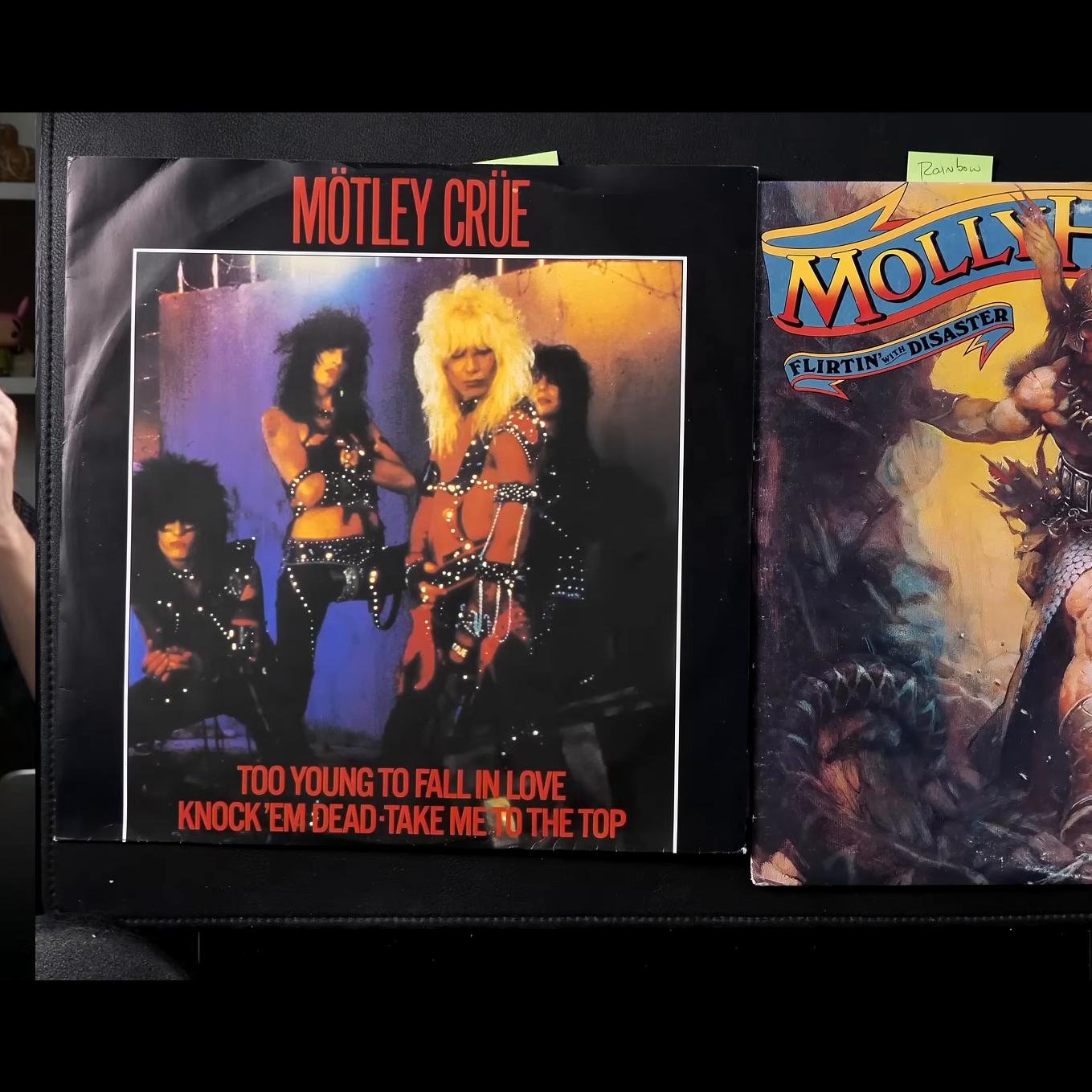
The episode also explores how bands like Black Sabbath, Sex Pistols, Rush, and Van Halen helped shape the cultural context that allowed Mötley Crüe to thrive. Robert reflects on the emotional energy of growing up with this music, the backlash it received at the time, and why songs like “Too Young to Fall in Love” and “Looks That Kill” connected so deeply with an entire generation of fans.
Timestamps
0:00 — Mötley Crüe vs. the critics
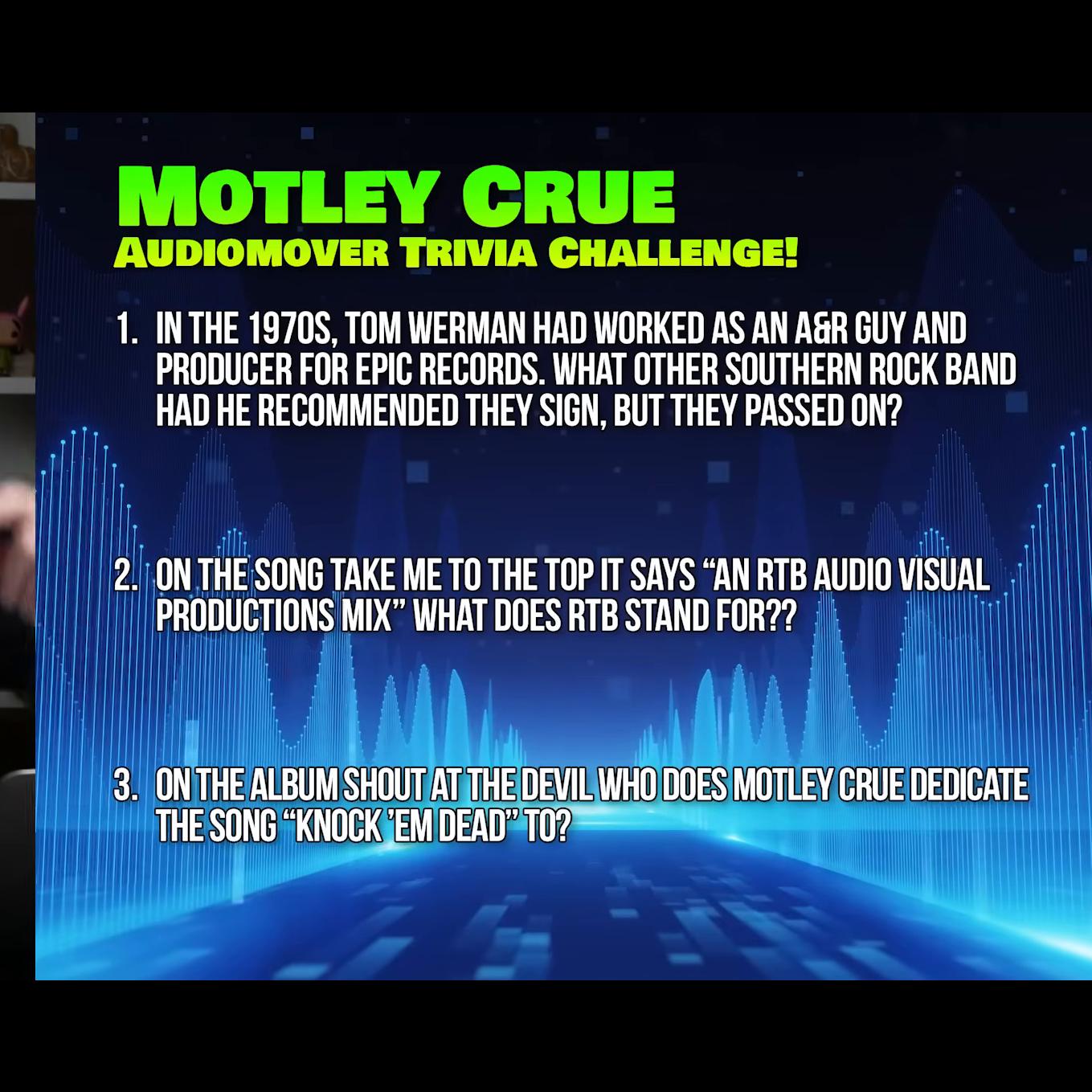
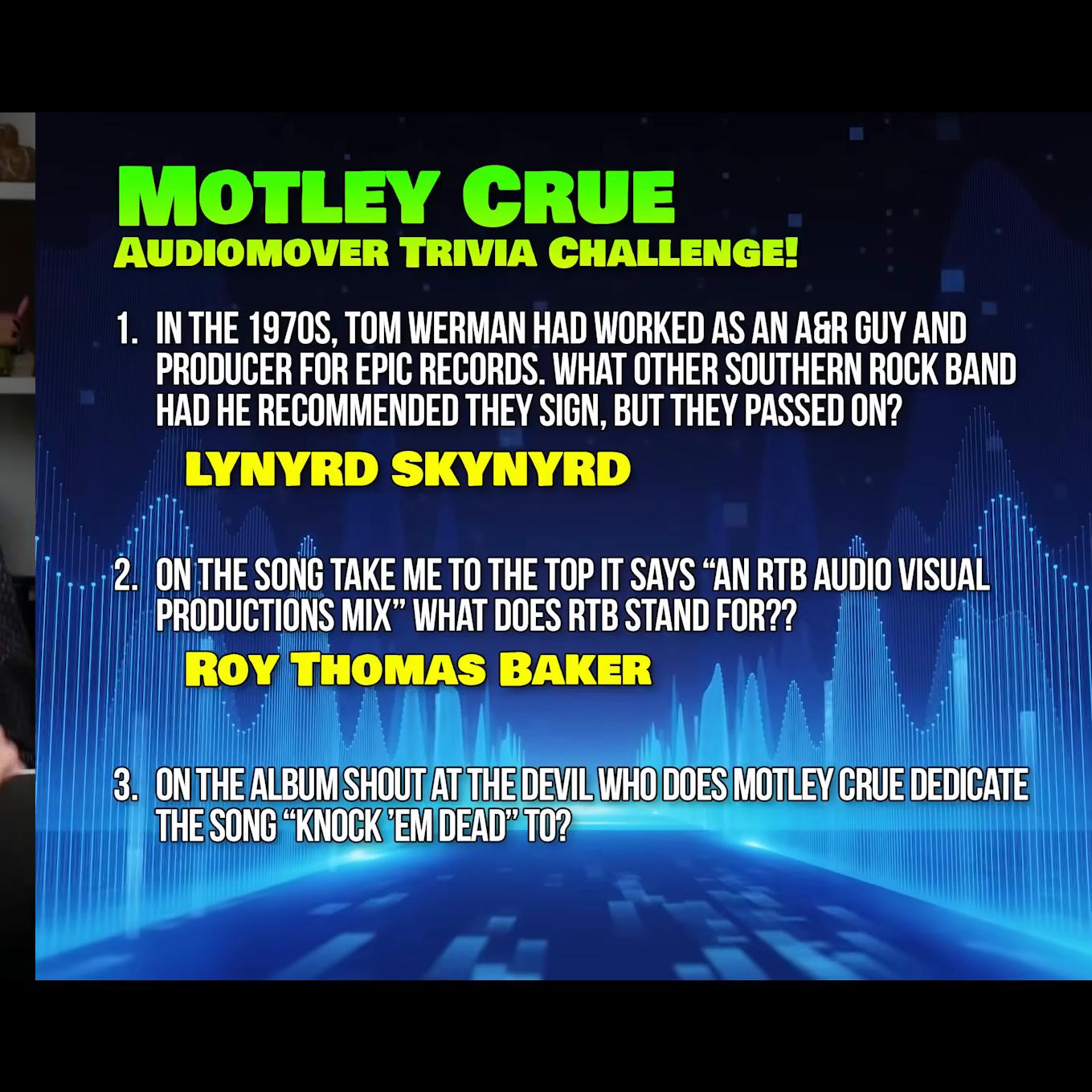
0:34 — The Tom Werman trivia challenge
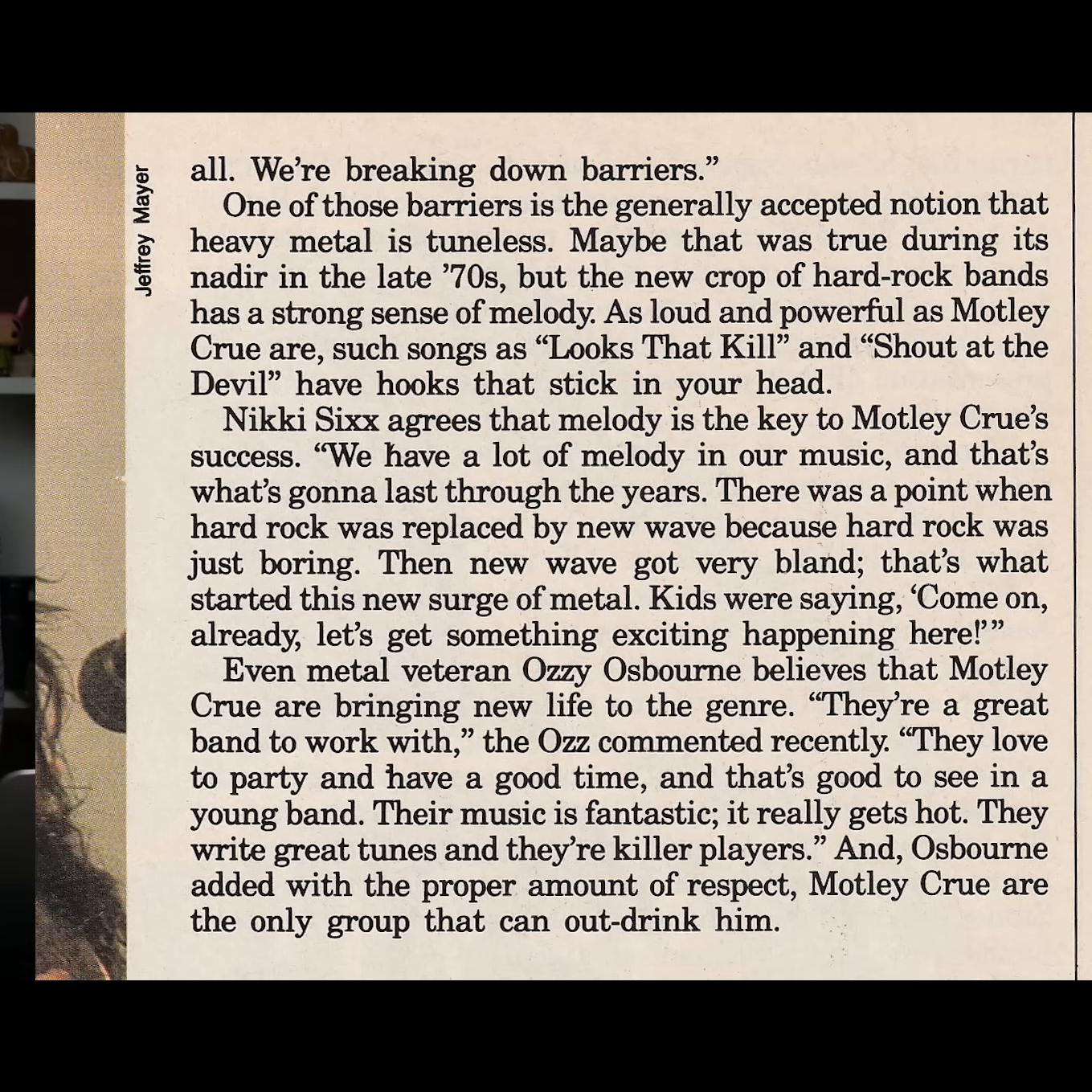
1:57 — Rare 1984 Circus magazine article
2:29 — Tom Werman’s incredible A&R history
3:40 — The executive who wanted Mötley Crüe gone
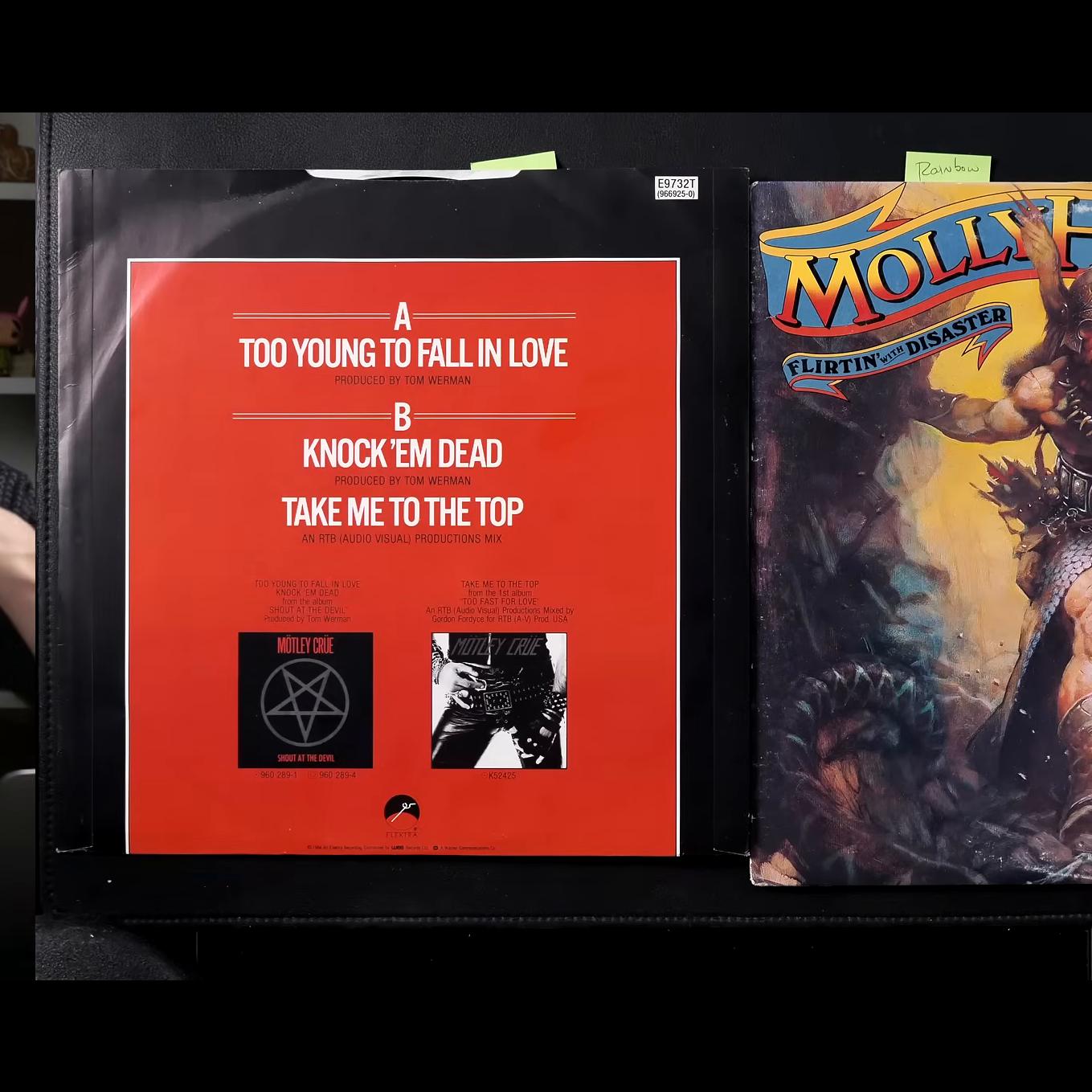
4:53 — How Shout at the Devil changed everything
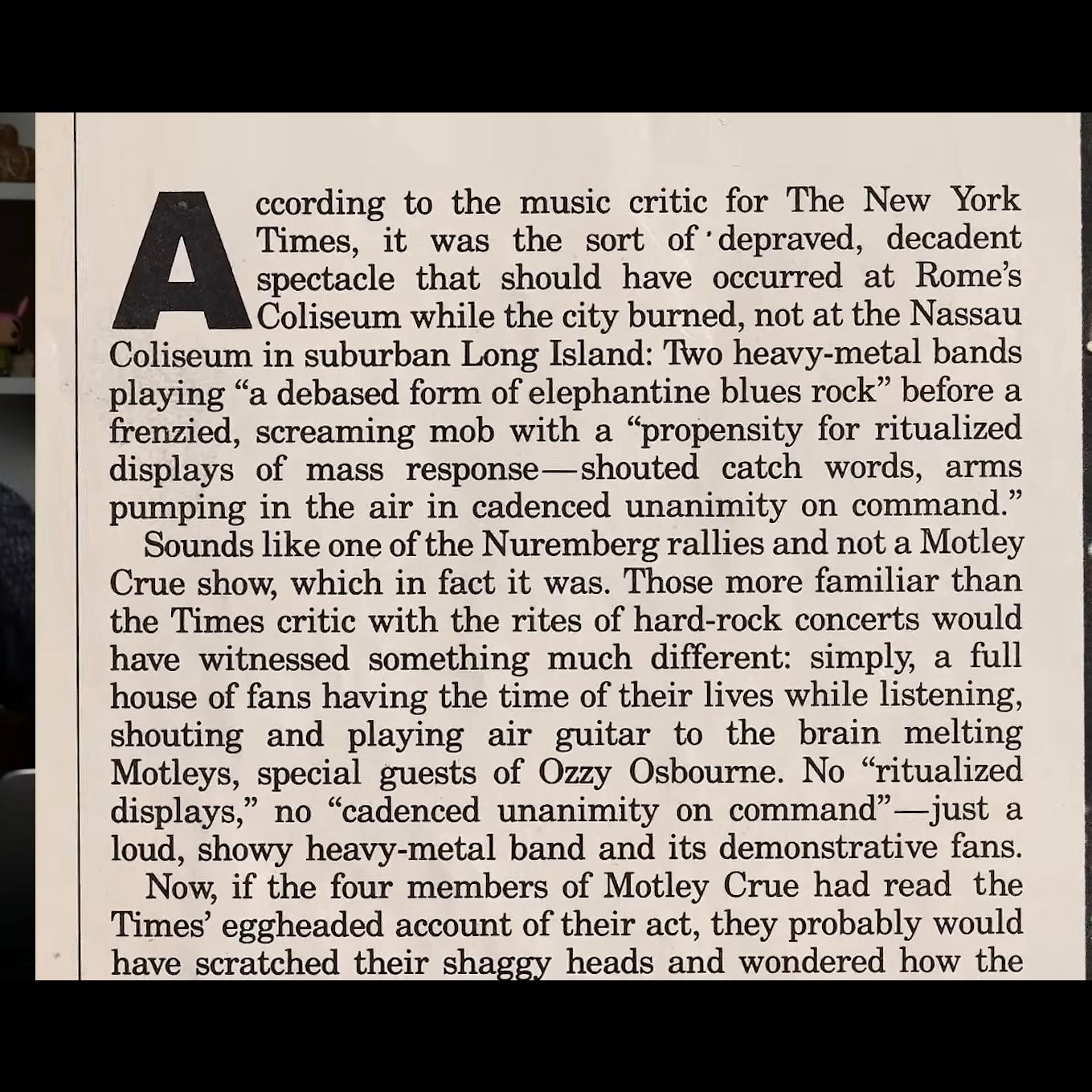
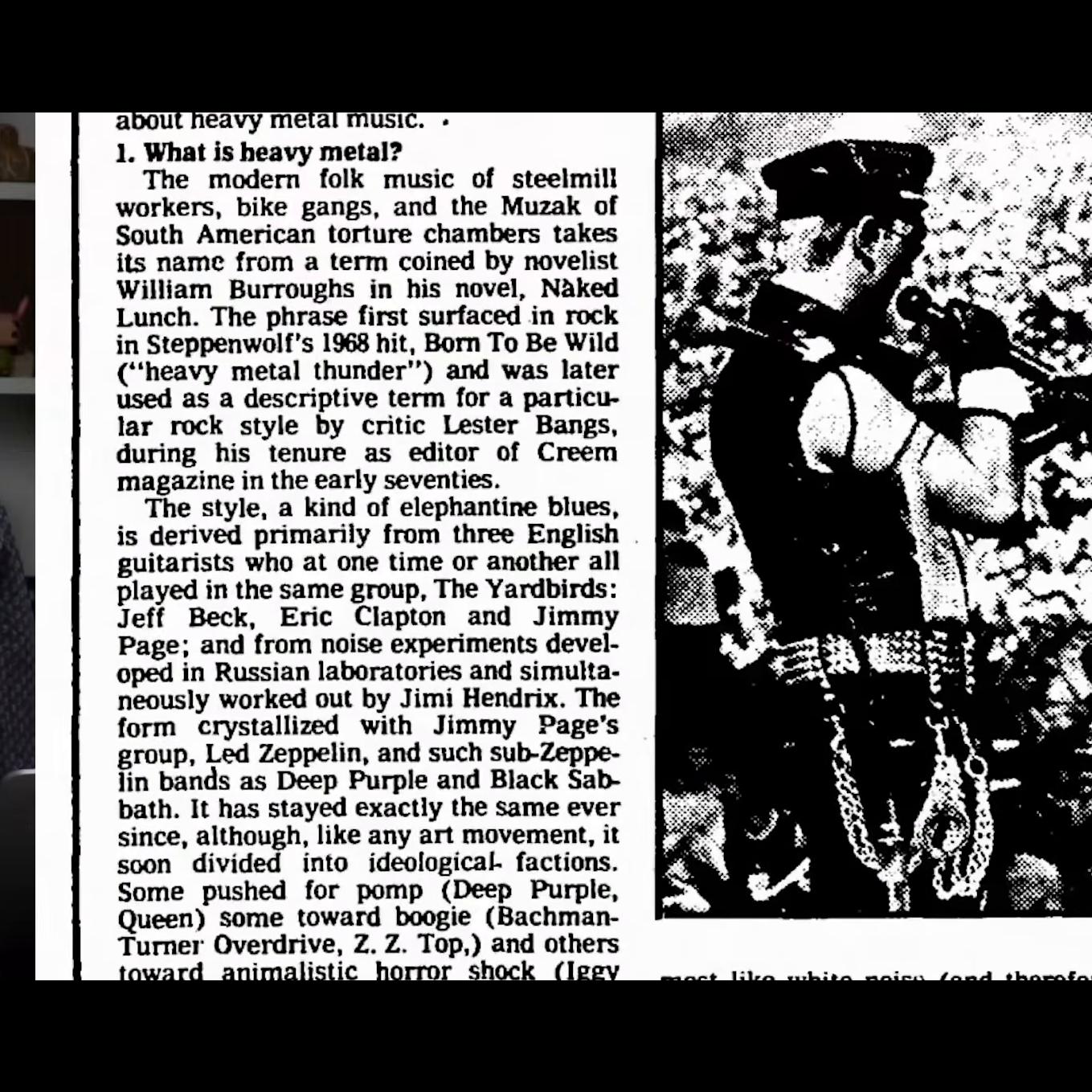
5:36 — The New York Times attacks heavy metal
6:37 — “Elephantine blues rock” explained
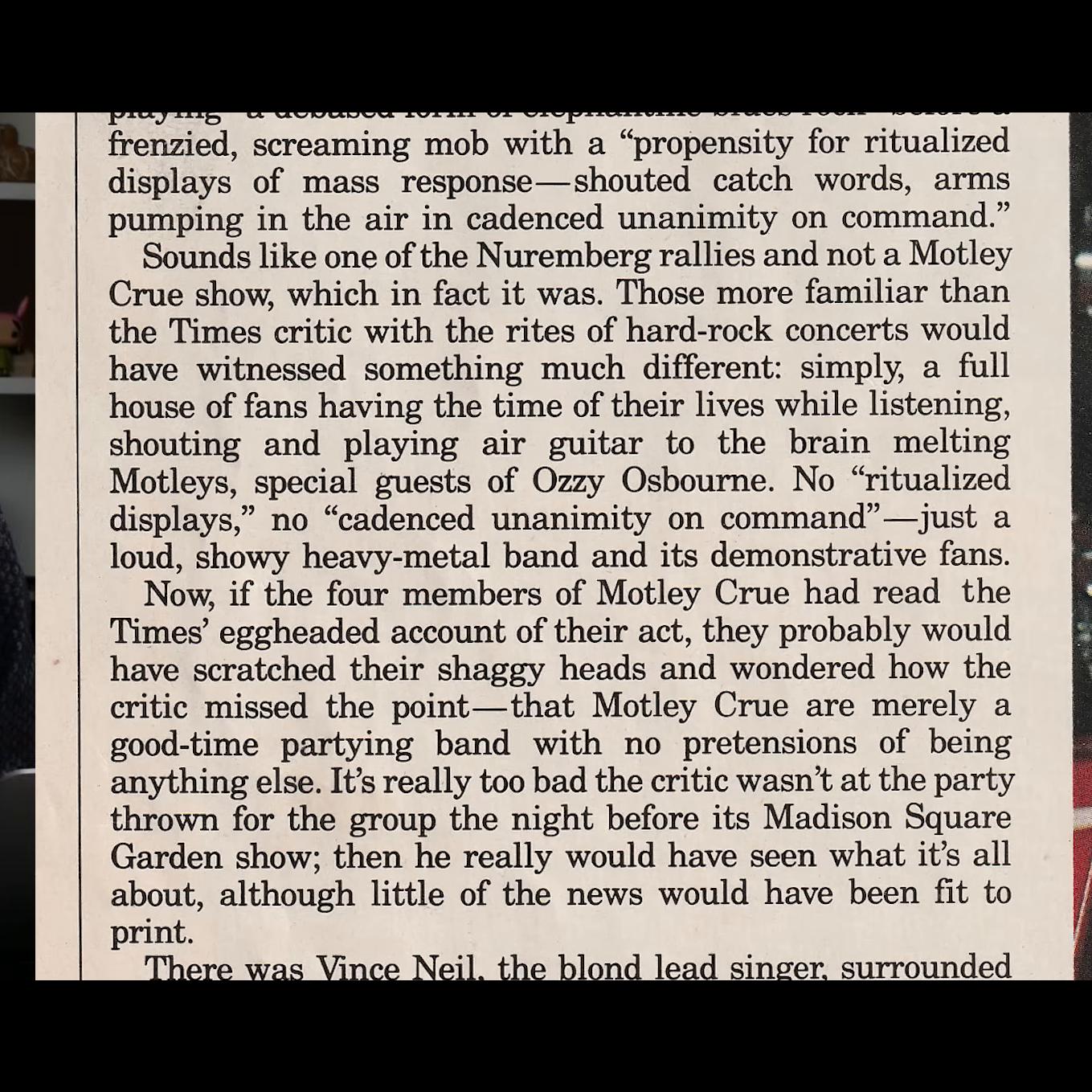
7:16 — Why fans connected with Mötley Crüe
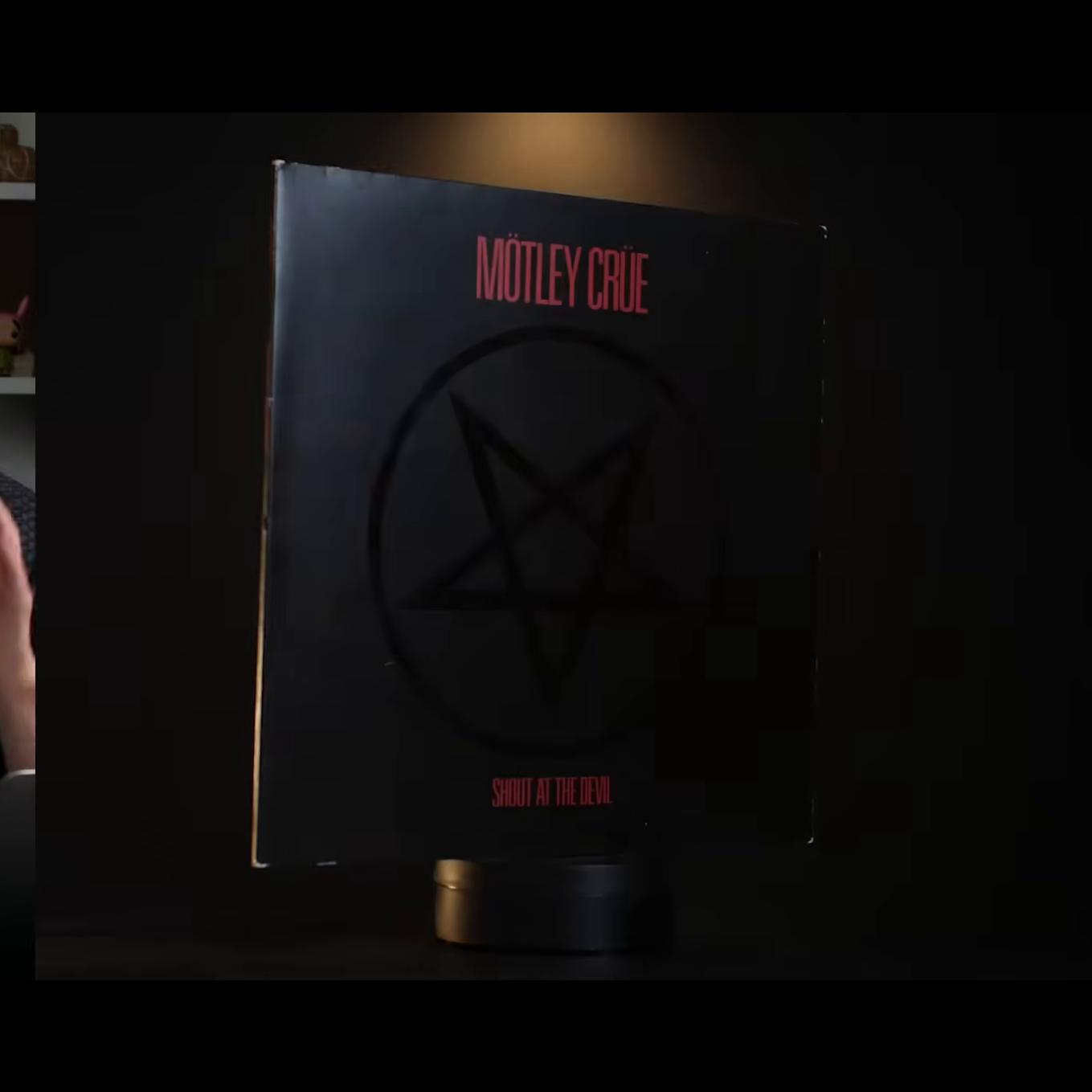
8:16 — Remembering the Shout at the Devil explosion
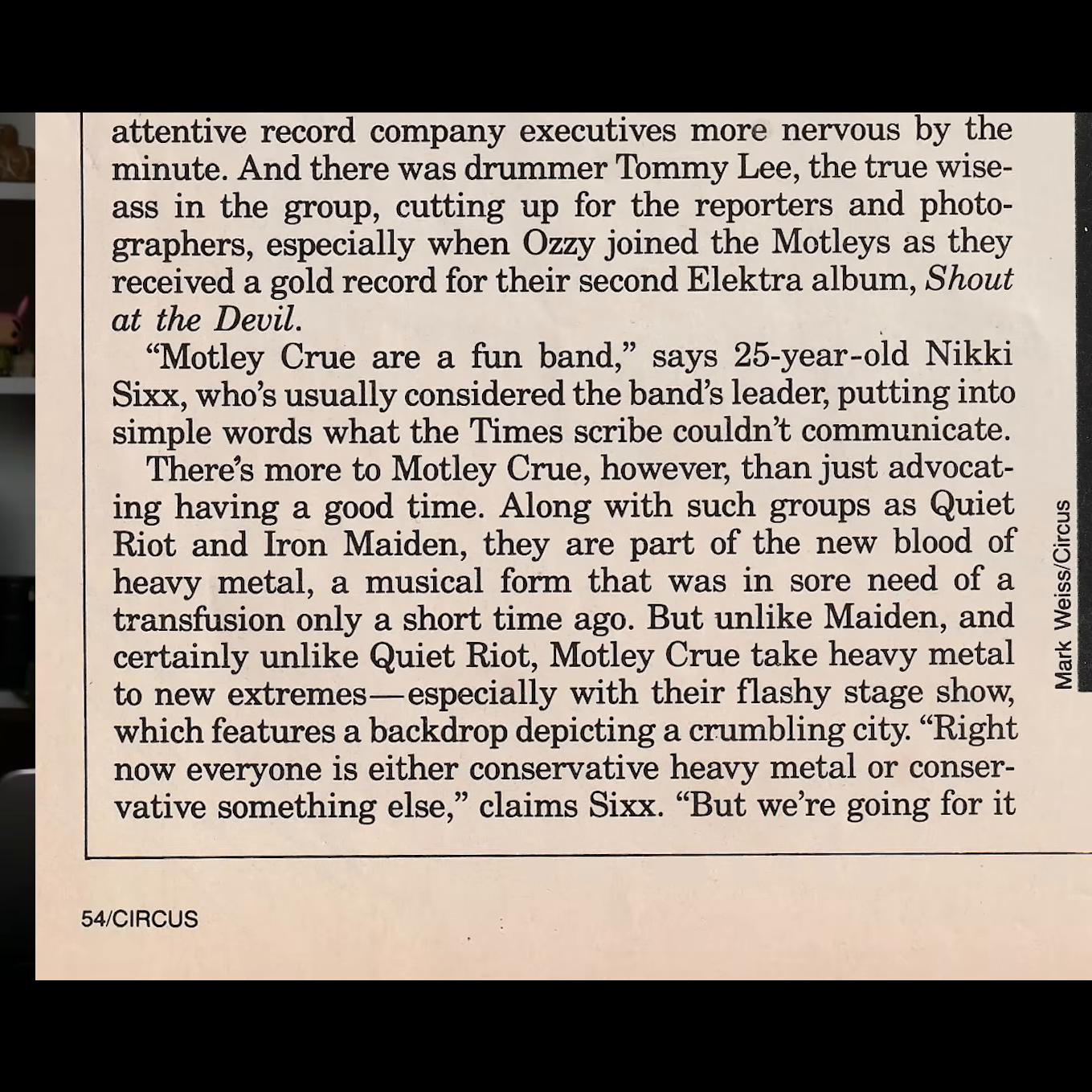
9:21 — “Mötley Crüe are a fun band”
10:18 — Breaking down the barriers of metal
10:42 — Why melody made the difference
11:20 — Understanding the cultural context of the ‘80s
12:43 — The emotional power of “Live Wire”
13:41 — Ozzy Osbourne praises the band
14:18 — Ozzy’s surprising humility toward opening acts
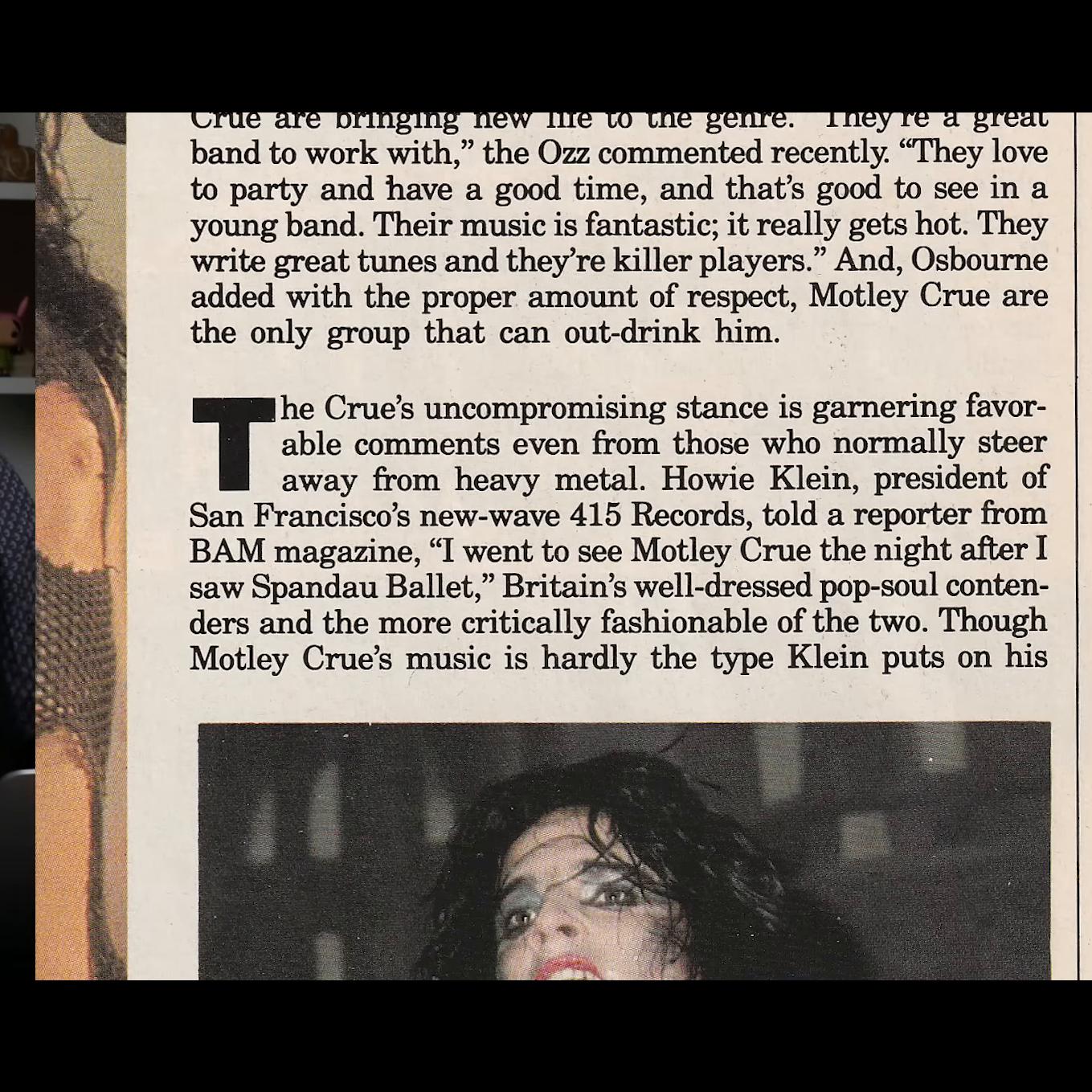
15:25 — Spandau Ballet vs. Mötley Crüe
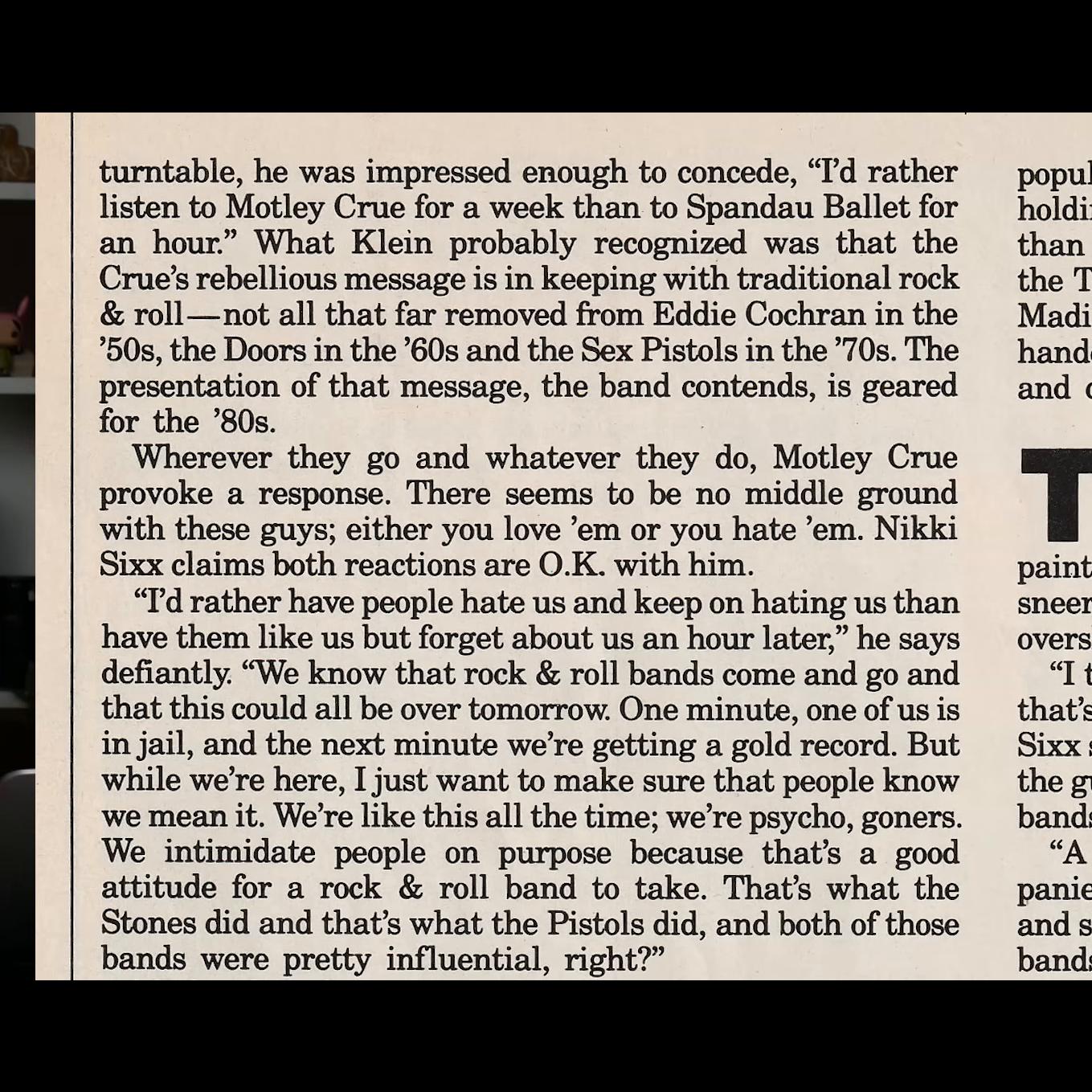
16:18 — The Sex Pistols comparison
17:34 — Love them or hate them
18:47 — Why controversy keeps bands alive
19:14 — The dangerous energy of the album cover
20:04 — Tom Werman on the band’s musical growth
21:06 — Did Mötley Crüe impact culture like the Pistols?
22:29 — The makeup backlash and KISS comparisons
24:10 — The street-team marketing genius of fans
25:16 — Image vs. music: which mattered more?
26:10 — Why Mötley Crüe attracted both men and women
27:22 — The melodic side of glam metal
28:32 — Trivia answers revealed
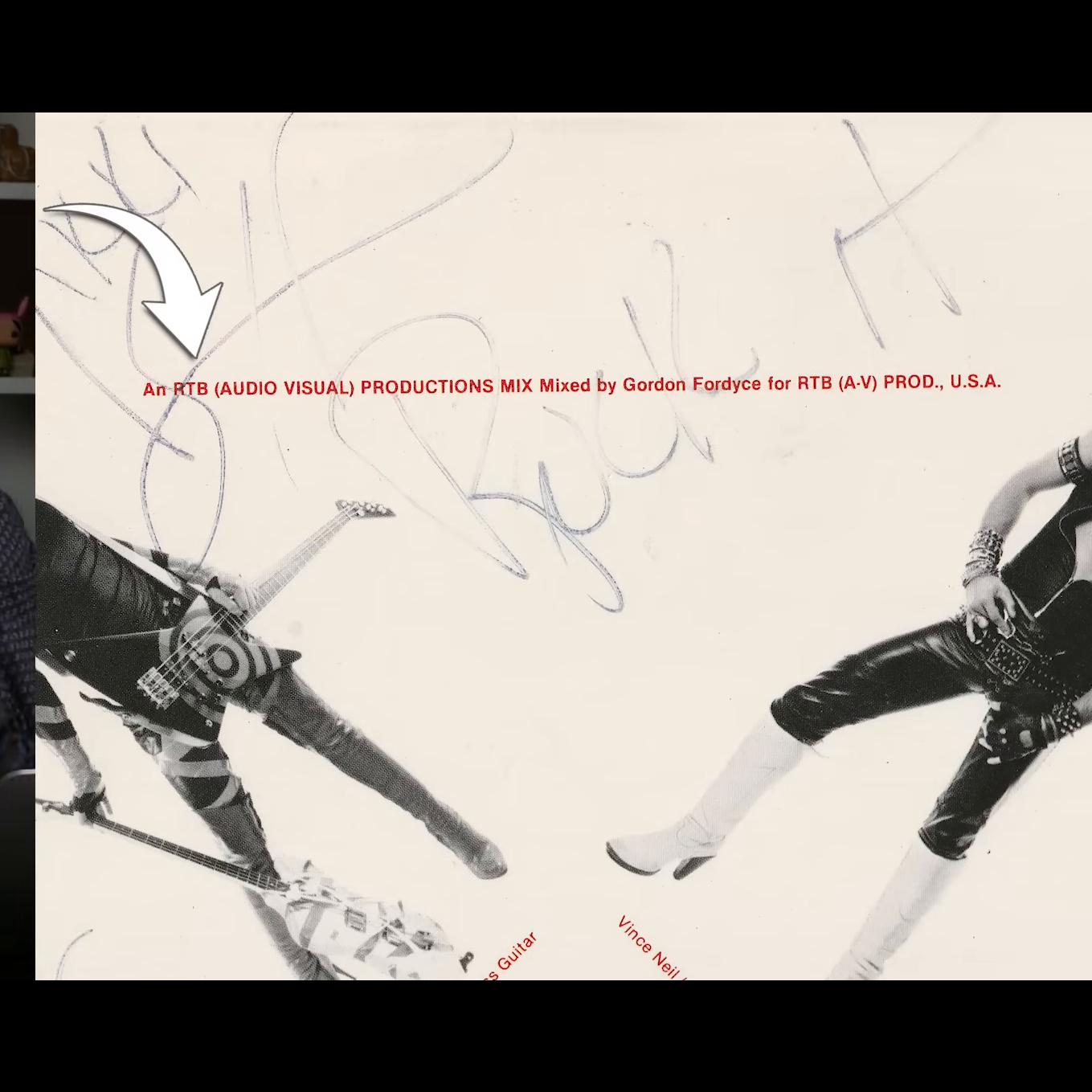
29:19 — Roy Thomas Baker and the remix connection
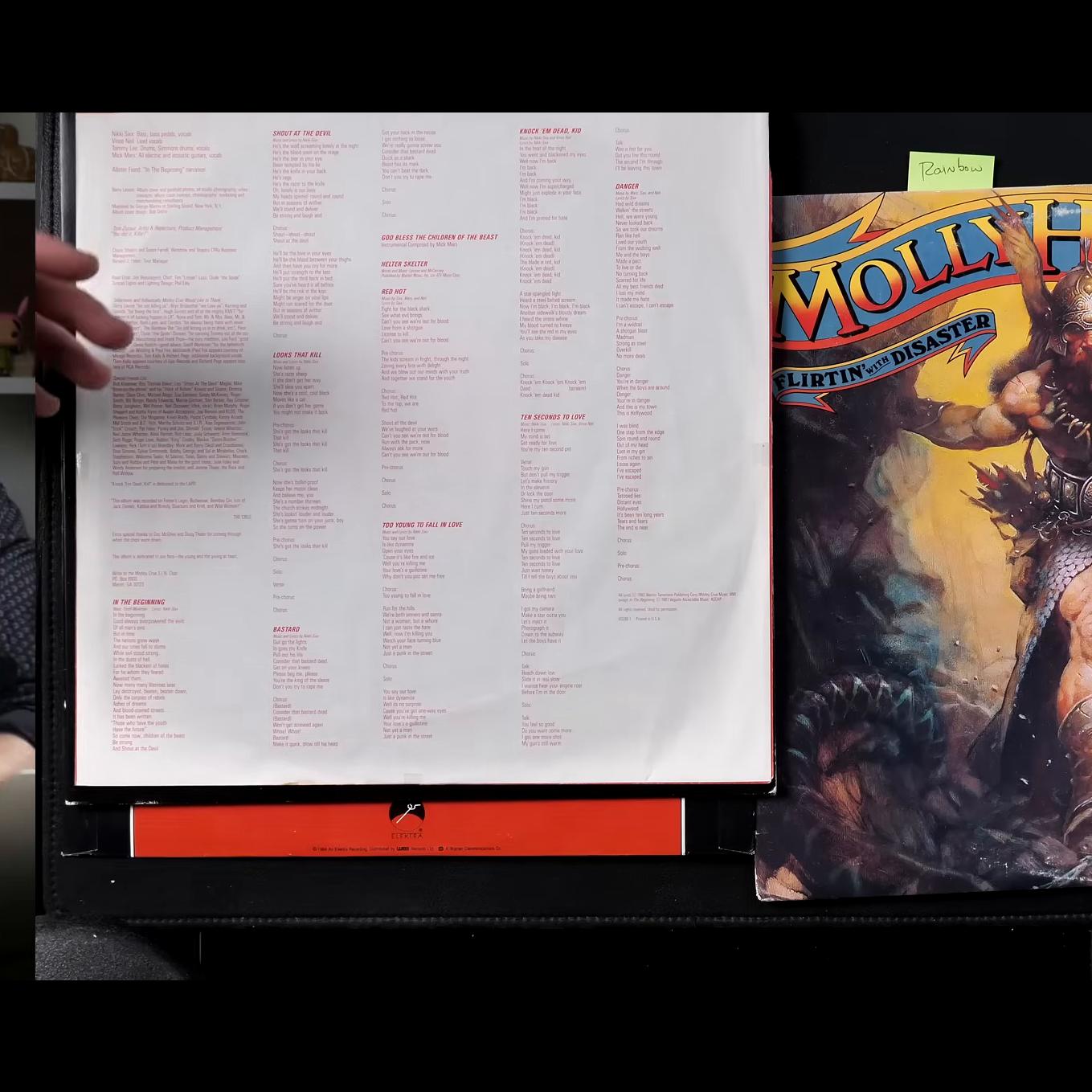
30:00 — “Knock ‘Em Dead” dedication revealed
30:36 — Digitech sponsor shoutout
The episode also explores how bands like Black Sabbath, Sex Pistols, Rush, and Van Halen helped shape the cultural context that allowed Mötley Crüe to thrive. Robert reflects on the emotional energy of growing up with this music, the backlash it received at the time, and why songs like “Too Young to Fall in Love” and “Looks That Kill” connected so deeply with an entire generation of fans.
Timestamps
0:00 — Mötley Crüe vs. the critics
0:34 — The Tom Werman trivia challenge
1:57 — Rare 1984 Circus magazine article
2:29 — Tom Werman’s incredible A&R history
3:40 — The executive who wanted Mötley Crüe gone
4:53 — How Shout at the Devil changed everything
5:36 — The New York Times attacks heavy metal
6:37 — “Elephantine blues rock” explained
7:16 — Why fans connected with Mötley Crüe
8:16 — Remembering the Shout at the Devil explosion
9:21 — “Mötley Crüe are a fun band”
10:18 — Breaking down the barriers of metal
10:42 — Why melody made the difference
11:20 — Understanding the cultural context of the ‘80s
12:43 — The emotional power of “Live Wire”
13:41 — Ozzy Osbourne praises the band
14:18 — Ozzy’s surprising humility toward opening acts
15:25 — Spandau Ballet vs. Mötley Crüe
16:18 — The Sex Pistols comparison
17:34 — Love them or hate them
18:47 — Why controversy keeps bands alive
19:14 — The dangerous energy of the album cover
20:04 — Tom Werman on the band’s musical growth
21:06 — Did Mötley Crüe impact culture like the Pistols?
22:29 — The makeup backlash and KISS comparisons
24:10 — The street-team marketing genius of fans
25:16 — Image vs. music: which mattered more?
26:10 — Why Mötley Crüe attracted both men and women
27:22 — The melodic side of glam metal
28:32 — Trivia answers revealed
29:19 — Roy Thomas Baker and the remix connection
30:00 — “Knock ‘Em Dead” dedication revealed
30:36 — Digitech sponsor shoutout
Chapters
00:00
Mötley Crüe vs. the critics
00:34
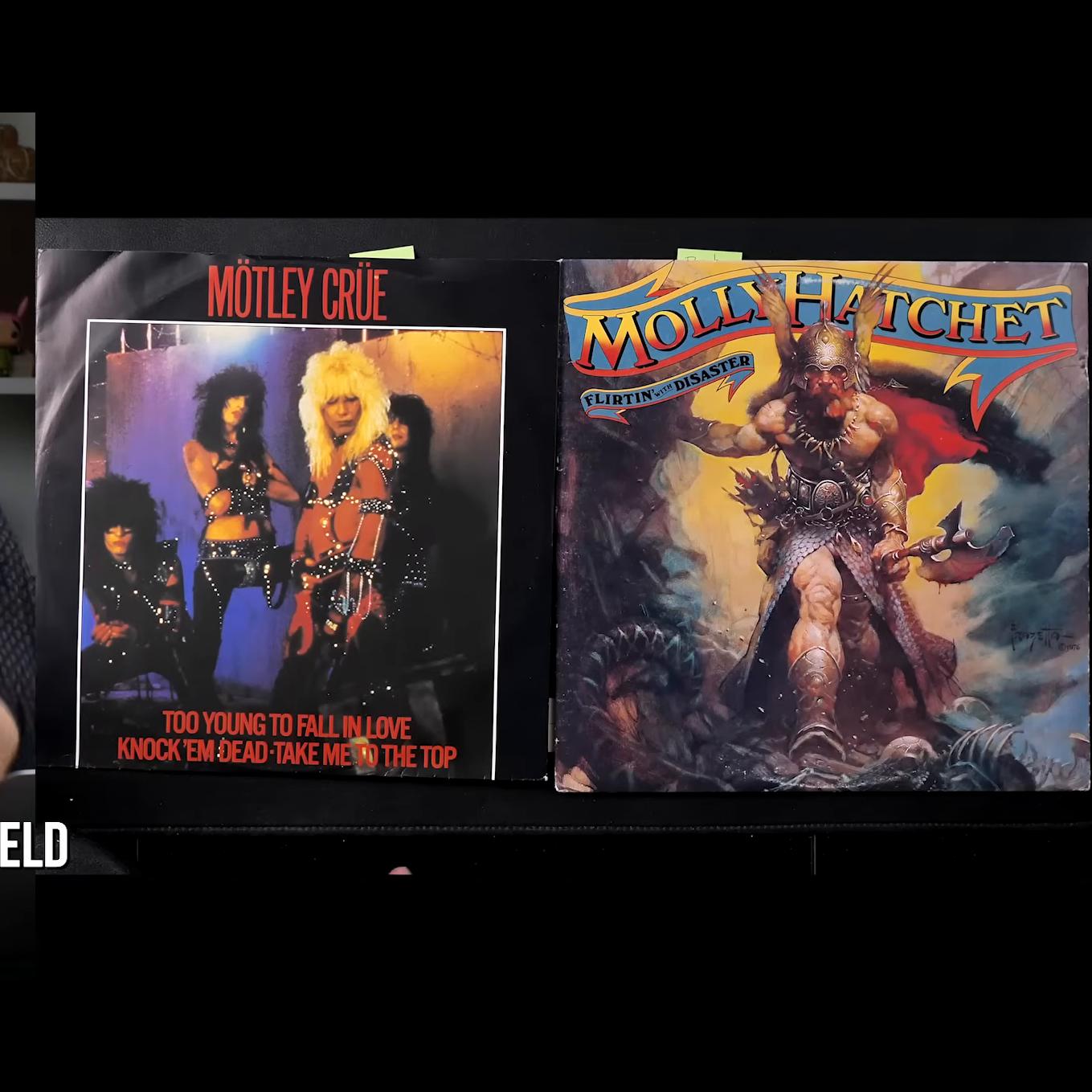
The Tom Werman trivia challenge
01:57
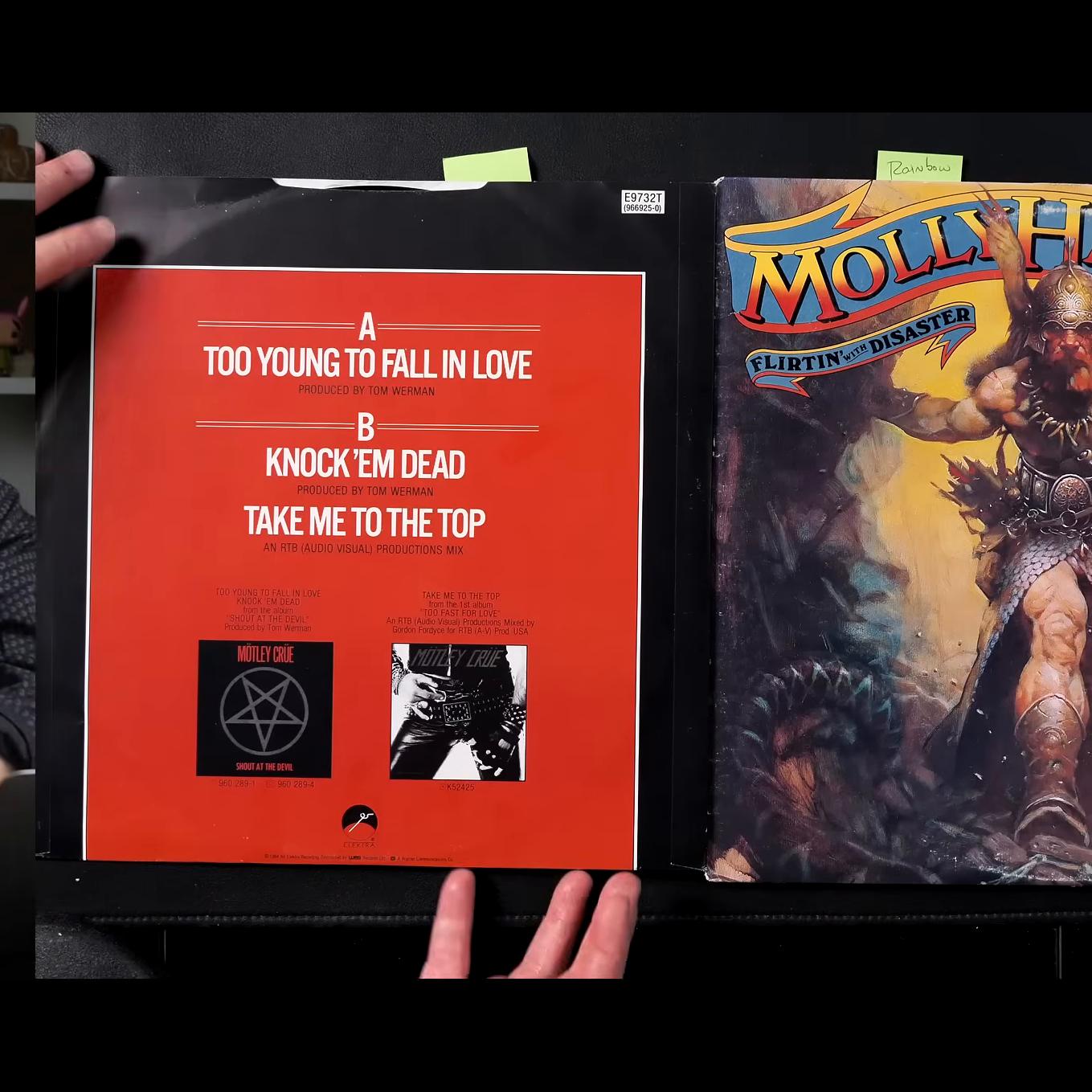
Rare 1984 Circus magazine article
02:29
Tom Werman’s incredible A&R history
03:40
The executive who wanted Mötley Crüe gone
04:53
How Shout at the Devil changed everything
05:36
The New York Times attacks heavy metal
06:37
“Elephantine blues rock” explained
07:16
Why fans connected with Mötley Crüe
08:16
Remembering the Shout at the Devil explosion
09:21
“Mötley Crüe are a fun band”
10:18
Breaking down the barriers of metal
10:42
Why melody made the difference
11:20
Understanding the cultural context of the ‘80s
12:43
The emotional power of “Live Wire”
13:41
Ozzy Osbourne praises the band
14:18
Ozzy’s surprising humility toward opening acts
15:25
Spandau Ballet vs. Mötley Crüe
16:18
The Sex Pistols comparison
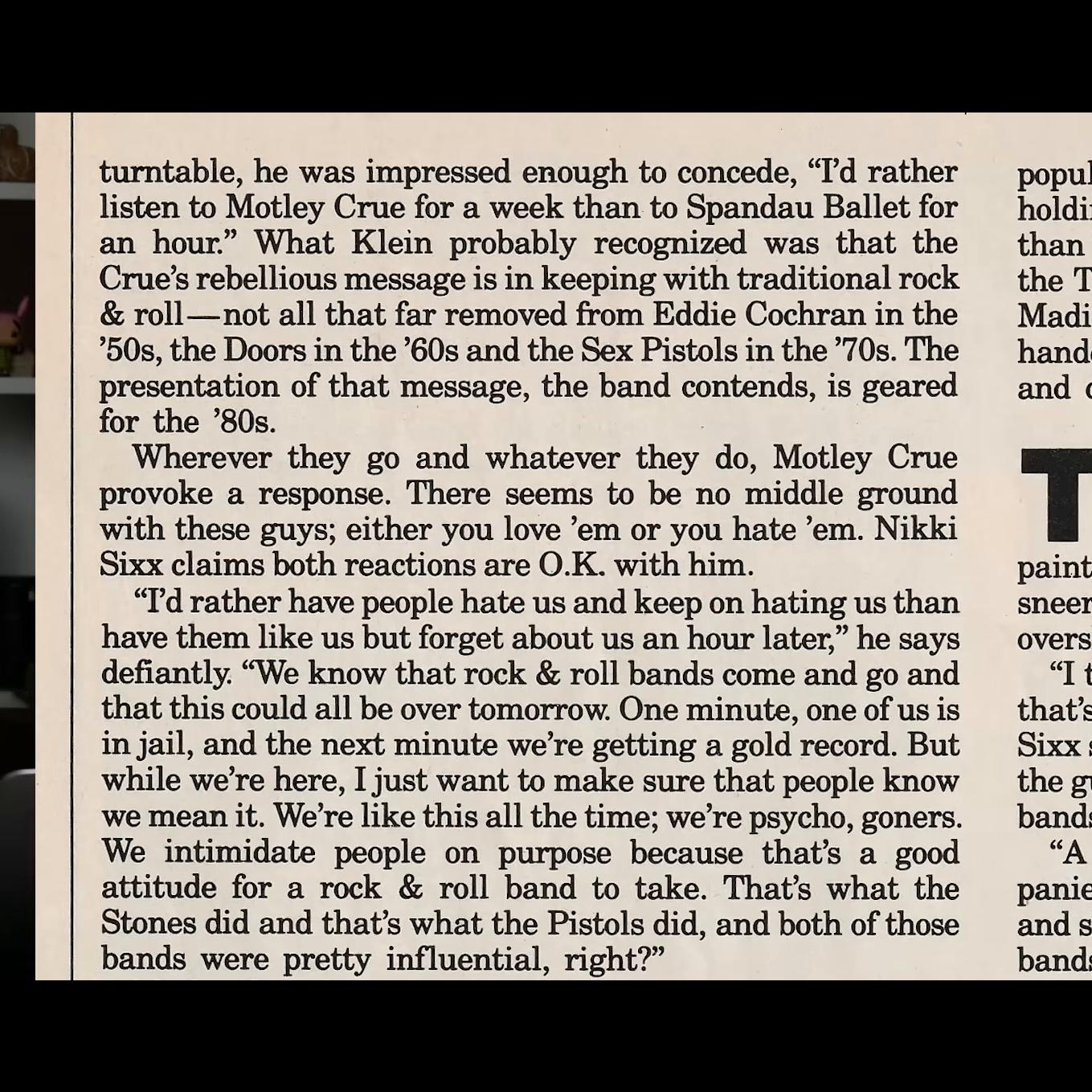
17:34
Love them or hate them
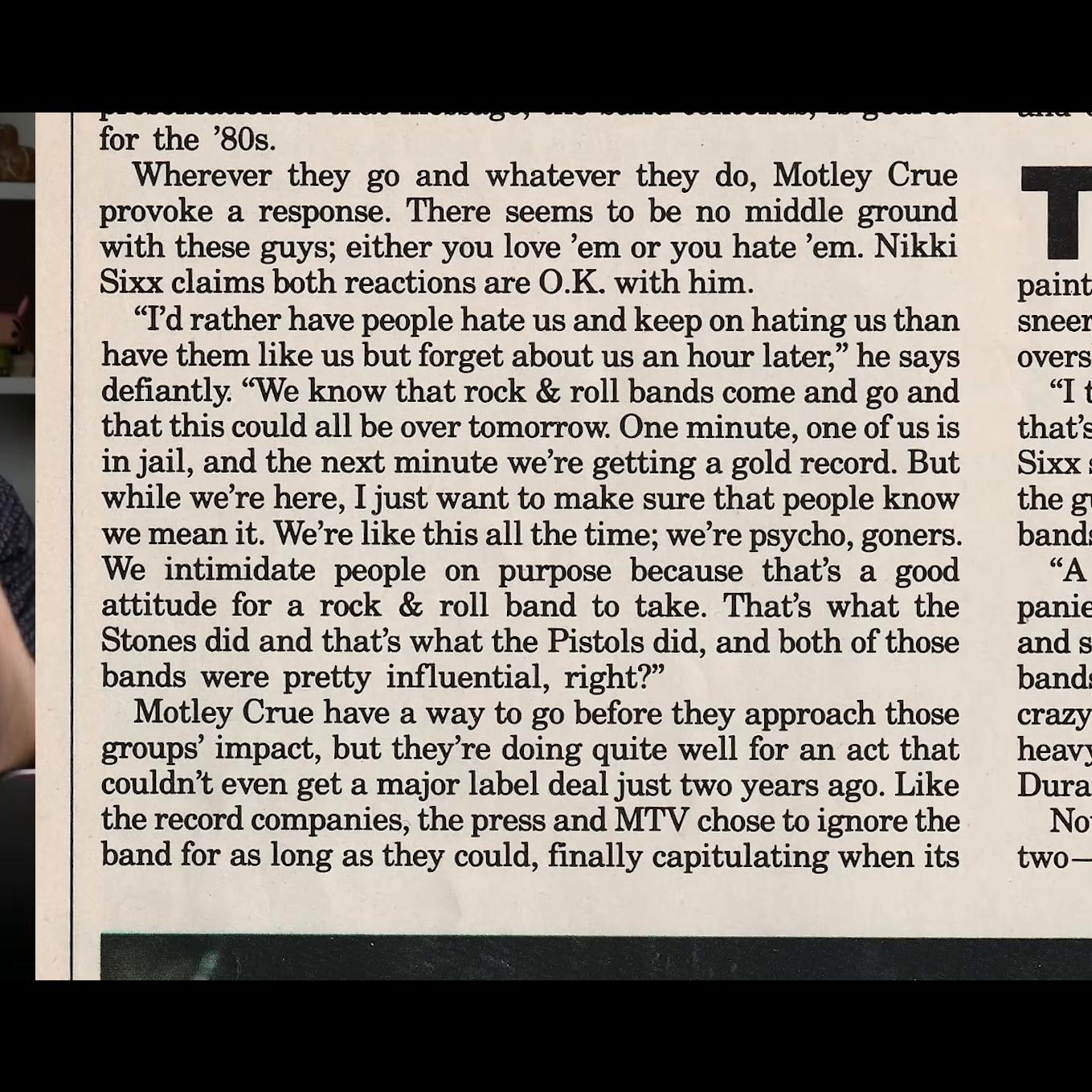
18:47
Why controversy keeps bands alive
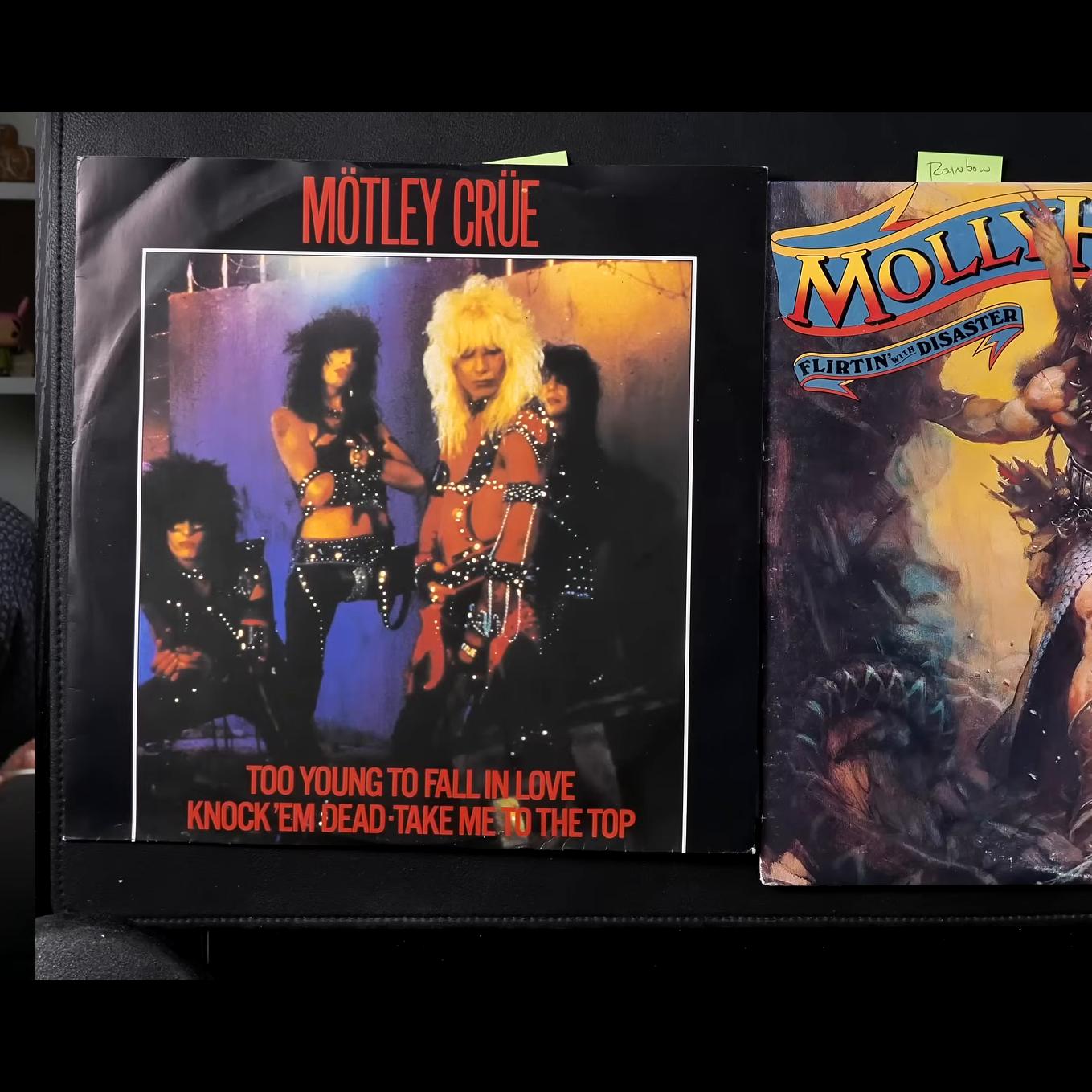
19:14
The dangerous energy of the album cover
20:04
Tom Werman on the band’s musical growth
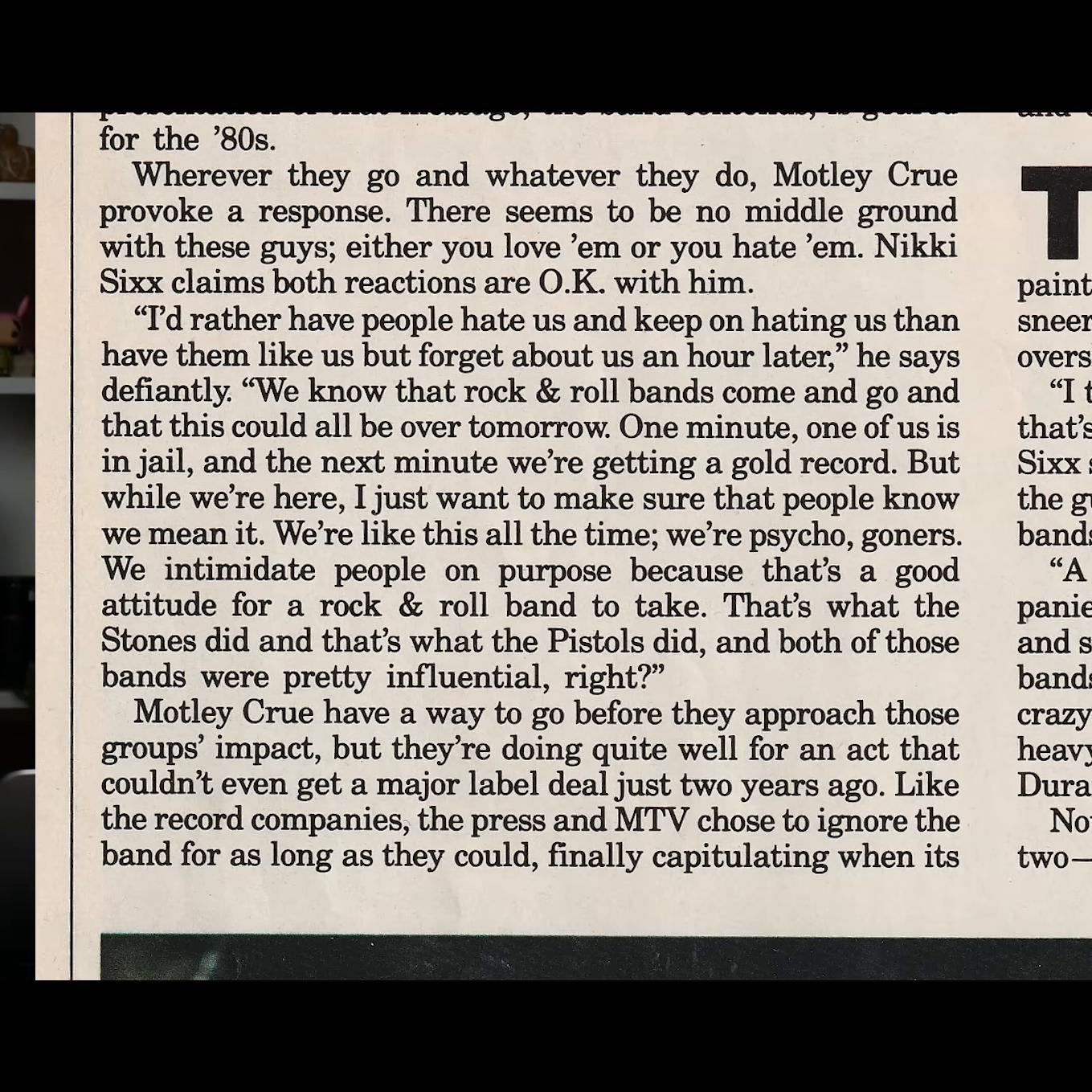
21:06
Did Mötley Crüe impact culture like the Pistols?
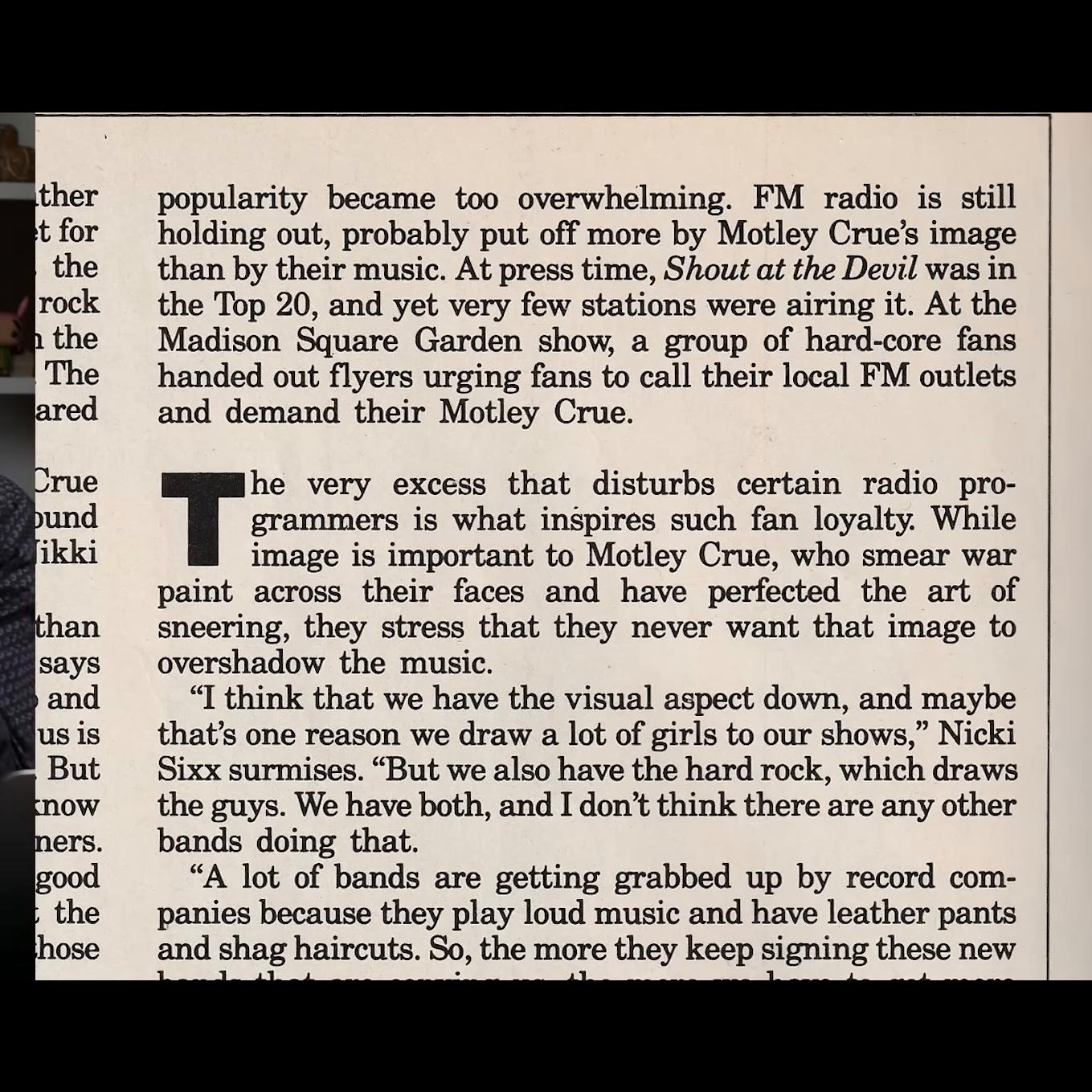
22:29
The makeup backlash and KISS comparisons
24:10
The street-team marketing genius of fans
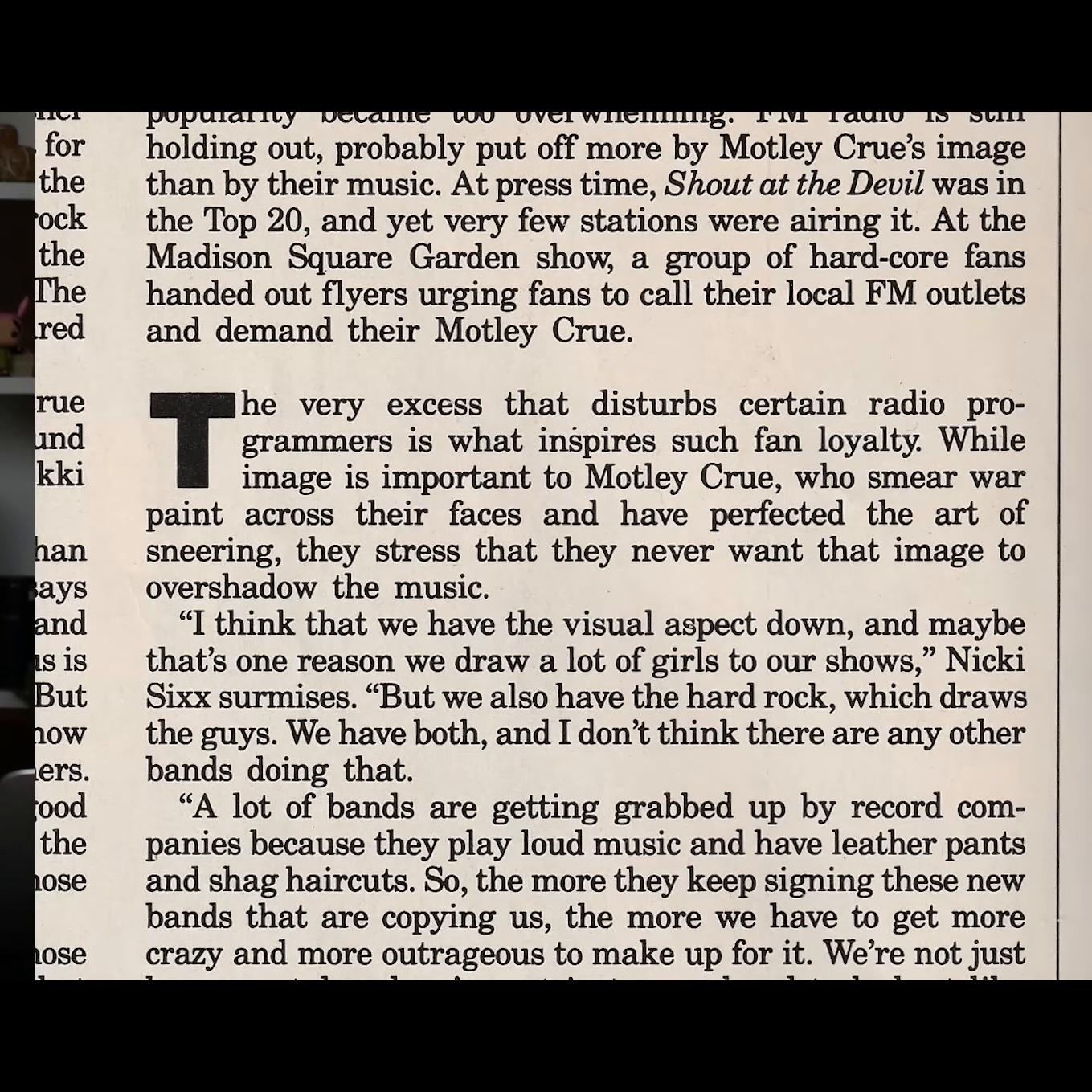
25:16
Image vs. music: which mattered more?
26:10
Why Mötley Crüe attracted both men and women
27:22
The melodic side of glam metal
28:32
Trivia answers revealed
29:19
Roy Thomas Baker and the remix connection
30:00
“Knock ‘Em Dead” dedication revealed
30:36
Digitech sponsor shoutout
